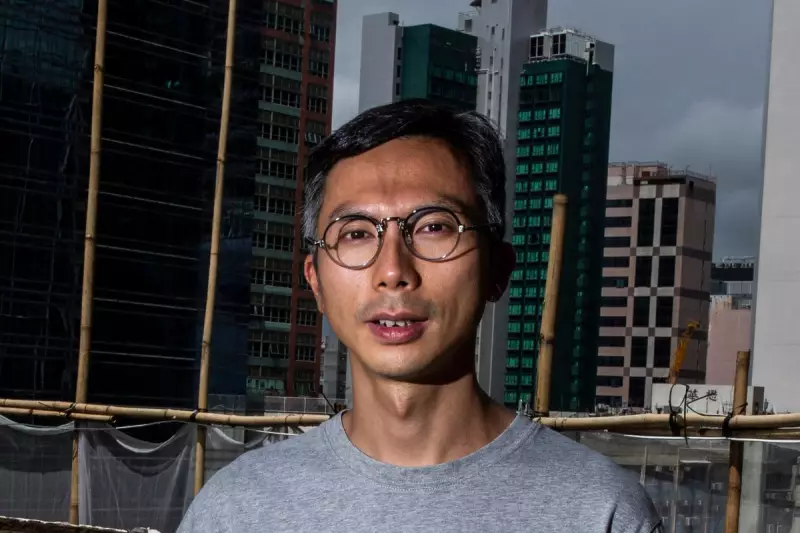
Hong Kong's film censorship office has banned the public exhibition of local director Kiwi Chow's latest movie, Deadline, stating the film could be detrimental to national security.
Filmmaker's 'absurd and unjust' condemnation
The 44-year-old filmmaker announced on Wednesday 17 December 2025 that the Office for Film, Newspaper and Article Administration (OFNAA) had refused to issue a screening licence following an almost four-month review. In a statement posted on Facebook, Chow condemned the ruling, which is based on the National Security Law enacted in 2020, as "absurd, excessive, crude, and unjust".
Chow revealed that exhibiting the film without approval could result in a fine of up to HK$1 million (approximately £96,000) and a potential jail sentence of up to three years. He consulted a lawyer about an appeal but was advised that "in an era of judicial collapse, suing the government holds little meaning". He also feared being liable for over a million dollars in government legal fees if he lost.

"The National Security Law has brought disaster to Hong Kong and this is another case," Chow wrote. "Originally a commercial film, it has now been passively turned into a political event... It is painful to accept the reality that the film cannot be screened in Hong Kong." Despite this, he vowed to continue filmmaking and hopes to one day screen Deadline in his birthplace.
A widening crackdown on Hong Kong's cinema
This decision is part of a broader tightening of cultural controls since the National Security Law's introduction. In 2021, Hong Kong revised its Film Censorship Ordinance, allowing authorities to deny or revoke licences for films deemed harmful to national security. This change means films can be banned outright rather than just classified, and approvals can be withdrawn even after being granted, creating significant uncertainty for the industry.
The OFNAA's letter did not specify which elements of Deadline were considered a security risk. The office stated it "has all along been processing film censorship applications in accordance with the law" and declined to comment on individual cases. The film, shot in Taiwan and starring veteran actor Anthony Wong Chau-sang, is set in a secondary school where a suicide note before an exam triggers events exposing institutional pressure and moral breakdown.
Chow's history of testing boundaries
Kiwi Chow is no stranger to controversy, having repeatedly pushed the limits of political expression in Hong Kong cinema. He first gained international attention in 2015 as a co-director of Ten Years, an anthology envisioning a dystopian future for the city, which authorities later pulled from cinemas.
His 2021 documentary, Revolution of Our Times, which chronicled the city's pro-democracy protests, premiered at Cannes and won awards overseas but remains effectively banned in Hong Kong. Chow has also faced professional repercussions; during the making of his film Say I Do To Me, he lost around 80% of his funding and his lead actor after investors grew wary of the perceived risks of working with him.
The ban on Deadline underscores the increasingly restrictive environment for creative expression in Hong Kong, where the national security framework now plays a central role in determining what the public can see.