

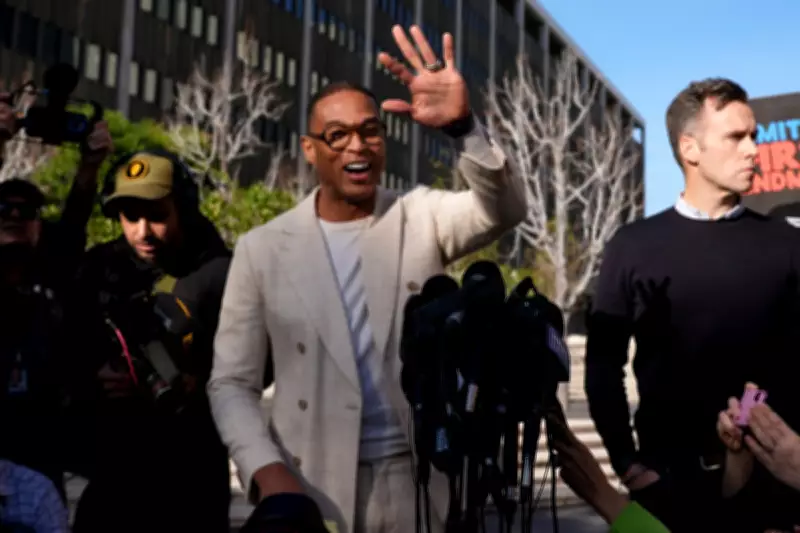
Former CNN anchor Don Lemon has pleaded not guilty to federal charges following his arrest for his coverage of a protest at a church in Minnesota. The incident has ignited significant debate over press freedoms and legal boundaries in the United States.
Details of the Arrest and Charges
Don Lemon, who now works as an independent journalist, was arrested by the FBI after livestreaming a protest on January 18 at Cities Church in St. Paul, Minnesota. The protest was against former President Donald Trump's immigration policies. Lemon faces charges of conspiring to deprive others of their civil rights and violating a federal law that prohibits obstructing access to houses of worship.
Legal Proceedings and Release
After spending a night in custody, Lemon was released to await trial. His attorney has publicly stated that Lemon is determined to fight the charges, emphasising his commitment to journalistic integrity. The case is set to proceed in federal court, with legal experts closely monitoring the developments.

Broader Implications for Press Freedom
This arrest has raised alarms among free press advocates and legal specialists. They argue that charging a journalist under these laws is unprecedented and could represent a severe threat to the First Amendment. The situation has prompted calls for greater protection of press freedoms in the context of civil rights enforcement.
Additional Individuals Charged
Alongside Lemon, six other people, including another journalist, have been charged in connection with the same protest. This broader legal action underscores the contentious nature of the event and the authorities' response to demonstrations against immigration policies.
As the case unfolds, it continues to draw attention to the delicate balance between law enforcement and the rights of the press, with potential long-term effects on how journalists cover protests in the future.






