
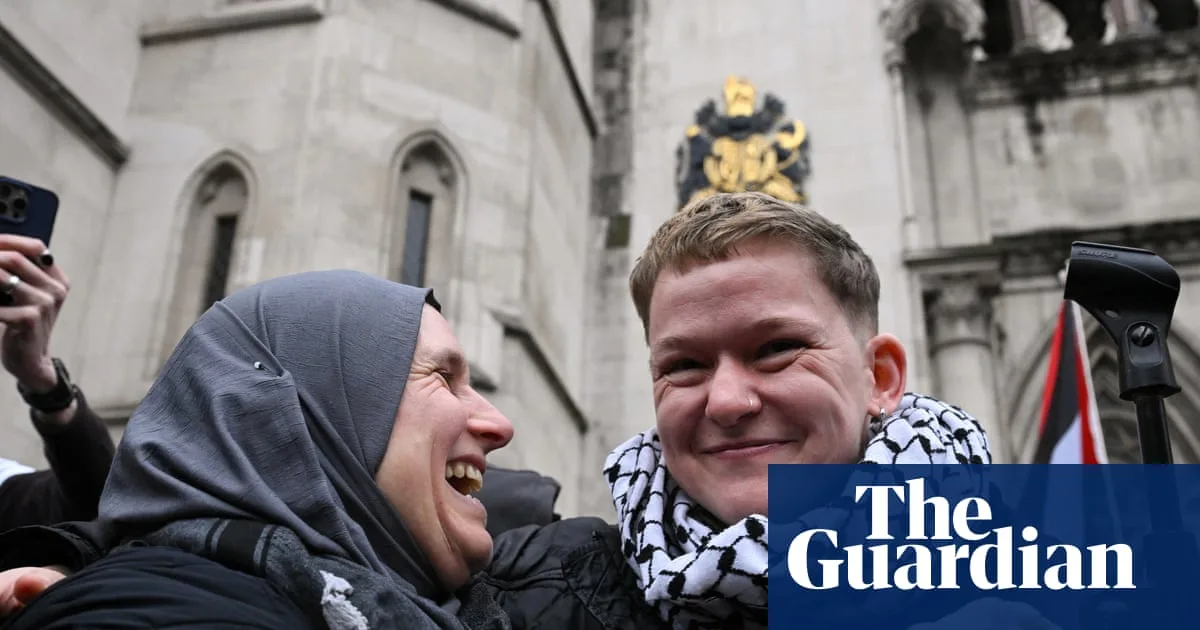
The High Court has ruled that the government's ban on the direct action group Palestine Action was disproportionate and infringed on freedom of speech and protest. The decision marks a significant legal defeat for the Home Office, which had proscribed the group under the Terrorism Act 2000 in June last year.
The ban was fiercely controversial from the outset, drawing criticism from a former director of public prosecutions, a former head of MI5, UN experts, and various politicians and NGOs. Critics argued that using terrorism legislation against a group focused on property damage was unprecedented, as previous proscriptions targeted groups intent on violence against people, such as Islamic State and Boko Haram.
The ruling highlighted that the group's activities could be addressed under existing criminal law, making the ban unnecessary. It also noted that the UK is one of few countries where recklessly expressing support for a proscribed organisation is an offence, raising concerns about the suppression of pro-Palestinian voices.
The legal challenge followed a campaign of civil disobedience, with hundreds of arrests, including pensioners, clergy, and war veterans. Police interventions were described as both chilling and absurd, with individuals arrested for holding placards expressing support for Gaza or criticising the government's stance.
The Home Office had claimed Palestine Action was a violent organisation, but documents disclosed during the judicial review appeared to contradict this. The Joint Terrorism Analysis Centre (Jtac) produced a secret report that was revealed in court, further undermining the government's case.




