A growing number of American cities are severing ties with a controversial police technology company after revelations that its vast surveillance data has been repeatedly accessed by immigration authorities enforcing Donald Trump's mass deportation agenda.
The Oakland showdown and a nationwide backlash
The fierce debate inside Oakland's council chamber on 16 December last year stretched from lunchtime into the evening, encapsulating a national crisis. Citizens passionately pleaded with officials, with one invoking their parents' survival of the Holocaust and warning that a vote to continue using Flock Safety's technology would make the council complicit in a "frighteningly similar playbook." Others argued the AI-powered cameras were essential for community safety and solving crimes.
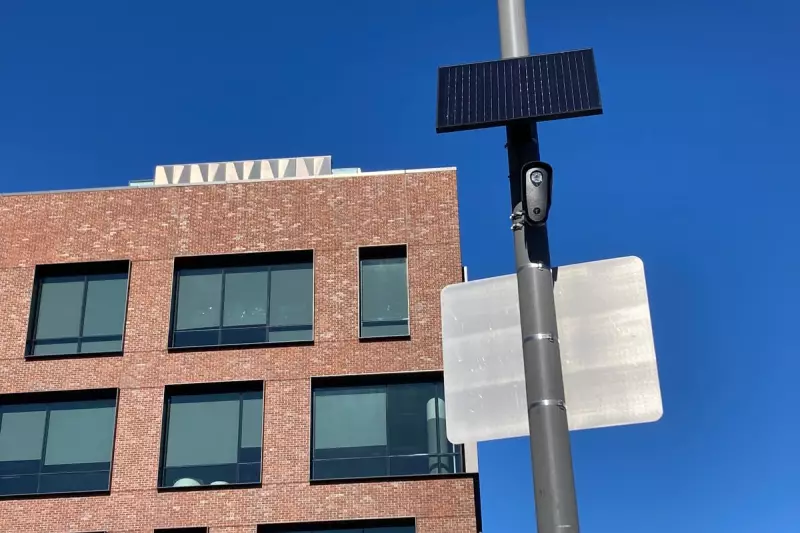
At the heart of the conflict is Flock Safety, an Atlanta-based start-up founded in 2017. It operates a network of tens of thousands of automated licence plate recognition (ALPR) cameras across more than 5,000 communities in 49 states. The company credits its system with solving serious crimes, from burglary rings to a recent shooting at Brown University.

How local police data found its way to federal agents
Flock's business model is based on a simple premise: local law enforcement agencies own and control the data from cameras in their jurisdiction. However, the company actively encourages data sharing. It reported to Congress in August that 75% of its customers were enrolled in a "national lookup" network, allowing any member to search another's data.
This created a vast, interconnected pool of location data on Americans' movements. An investigation by 404 Media in May revealed that police nationwide had used this network to perform thousands of immigration-related searches for federal agencies, often with vague justifications like "immigration" or "ICE."
In a critical admission, Flock told Congress in August it had been secretly running a pilot programme granting direct access to the Department of Homeland Security, despite previous denials of any federal contracts. The company blamed "internal miscommunication."
A loss of trust and a manual fightback
The fallout has been swift. Cities including Austin, Cambridge, Olympia, Santa Cruz, and Eugene have cancelled or suspended their Flock contracts. "I feel like I've been played," said Mountlake Terrace council member William Paige in a September meeting.
Privacy advocates condemn the system as a form of indiscriminate mass surveillance. Reports indicate U.S. Border Patrol uses similar plate data to stop and question drivers with "suspicious" travel patterns, and authorities have accessed Flock data to investigate protesters.
Flock says it has since tightened rules, pausing federal programmes and letting customers block searches related to civil immigration enforcement. Yet critics point to a damning incident in Texas where police searched for a woman who'd "had an abortion." Flock and the sheriff initially dismissed reports as "clickbait," but public records later showed the search was part of a criminal investigation into the death of her fetus.
Democratic Senator Ron Wyden accused Flock of spinning facts and shifting blame, writing that abuses of its product were "inevitable." In a stark response to The Independent's questions, a Flock spokesperson said only: "Feel free to see our website. We have no additional comment."
While Oakland ultimately renewed its contract with new safeguards, other communities are taking physical action. In a Chicago suburb, officials reportedly had to manually cover the lenses of Flock cameras after workers reinstalled them without authorisation following a city order for their removal.