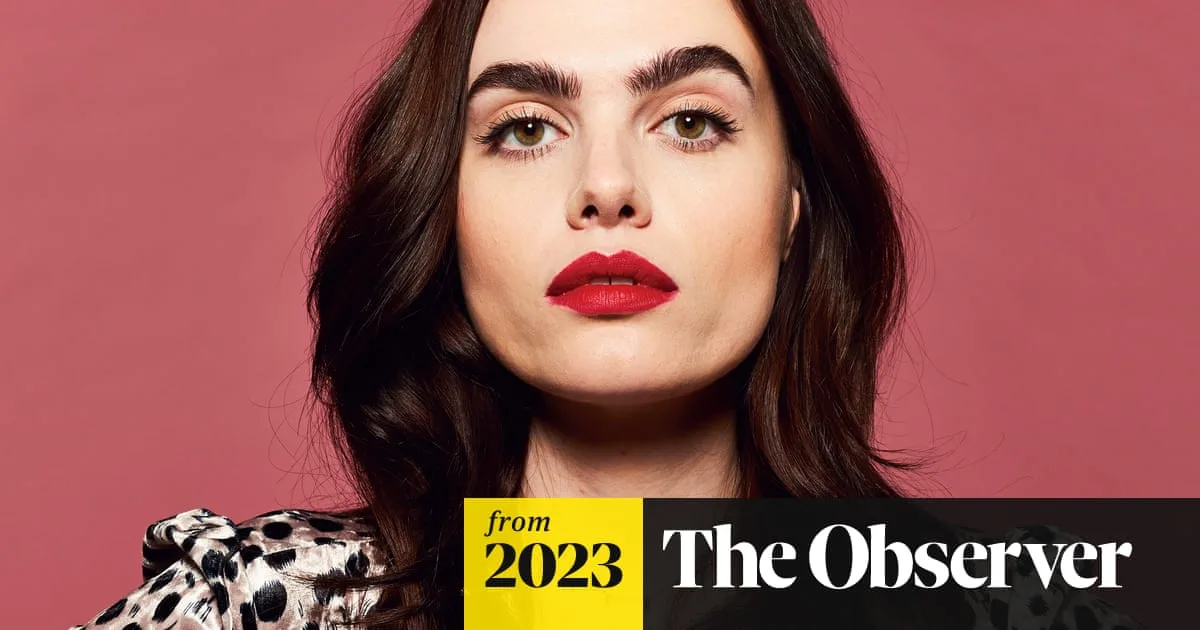
Model Charli Howard has opened up about being sexualised from the age of seven, detailing a series of disturbing encounters that left her with severe trauma. In a candid interview, she reveals how these experiences shaped her life, leading to eating disorders, toxic relationships, and a diagnosis of complex post-traumatic stress disorder (PTSD) at age 32.
A Childhood Marred by Inappropriate Attention
Howard recounts that her first experience occurred when she was just seven years old, with a neighbour expressing sexual interest in her. This early incident set the tone for a pattern that would persist throughout her life. She recalls a chilling moment on an empty bus as a child, where a man chose to sit next to her instead of her mother, leading her to believe in hindsight he was a paedophile.
At school, a teacher forced her and her friends to spend lunchtimes with him, making one friend sit on his knee. "These men were meant to protect me," Howard reflects. "But they sexualised me."
Betrayal by Those in Positions of Trust
The pattern continued into adulthood with shocking breaches of professional boundaries. At 18, her therapist confessed he had developed feelings for her and asked to connect on Facebook as he ended their sessions. The following year, when she sought help from police regarding an abusive ex-boyfriend, a male officer began sending inappropriate messages, commenting, "I bet you get all the guys after you."
Howard explains how these experiences led her to internalise the sexualisation: "In the end, I sexualised myself too. I thought that was where my worth lay. Like many women, I sexualised myself because I wanted to be loved."
The Modelling Industry's Dark Side
This mindset contributed to her pursuit of modelling, believing beauty validation would solve her problems. "We teach girls that your life will be sorted if you're validated for your beauty," she notes. "But it doesn't work like that."
Instead, she found the fashion industry rife with predatory behaviour. She describes terrifying incidents, including being locked in a studio at 21 by a man demanding she pose topless, and another shoot where she was pressured into being topless despite refusing. "There've been times where men have had visible hard-ons," she reveals. "It happens to so many girls, but you think it's just you."
The Breaking Point and Diagnosis
By age 32, the cumulative effect manifested in severe depression and suicidal thoughts. A psychiatrist diagnosed her with complex PTSD, which initially embarrassed Howard given her military family background. "I thought I was being a millennial snowflake," she admits.
Her psychiatrist explained that prolonged trauma significantly impacts the brain. "You're made to feel like an object your whole life, and then you make yourself one too," Howard realises. She now understands how daily micro-aggressions accumulate, from fearing groups of men to speeding up at night, eroding self-worth.
Reclaiming Her Narrative Through Writing
These revelations inspired her new book, Flesh: Decentering The Male Gaze And Reclaiming The Objectified Body. "How many other women are going through this?" she wondered. "How many women question why they feel so anxious, insecure and are throwing themselves at men who don't want or value them?"
The book details her journey through toxic relationships, including one with a financially abusive partner to whom she gave approximately £30,000 before discovering his infidelity. "I put up with it for so long because I had an incessant desire to be wanted and needed," she confesses.
A Transformative Shift to Self-Love
Now 34, Howard has undergone what she describes as "a total 180." While she hopes to marry, she refuses to tolerate poor treatment. "I value myself now, and I'd rather be single than with someone who treats me badly," she states firmly.
"It was self-love that saved me," she emphasises. "When you start focusing on yourself and stop seeing it as a selfish act, the world opens up to you. You'll never regret speaking up for yourself."
Broader Cultural Commentary
Howard connects her personal experiences to wider societal issues, criticising how media often prioritises male narratives. "I loved the TV show Adolescence, but we're only speaking about the boys' side of the story," she observes. "What about the girls who have died? The ones who have been abused?"
She links the resurgence of thinness ideals to broader cultural trends: "The return of thinness we're seeing is women abusing themselves and I don't think it's a coincidence that it's happening alongside the rise of the far-right and incel culture."
Howard notes extreme behaviours among some women, including those using weight-loss medications like Ozempic illegally despite healthy weights. "Those aren't women I want to be around," she comments. "What they're doing is all still so rooted in what men want. What about what we want?"
Finding Freedom Beyond Appearance
Her personal transformation includes rejecting constant performance of femininity. "I no longer go out with make-up on or feel the need to wear push-up bras all the time," she shares. "I've come to realise my appearance is the least interesting thing about me – and that is wonderful."
Howard hopes her story sparks conversations about the long-term impacts of the male gaze and helps other women recognise their worth beyond objectification. "Ever since I started defending myself, I've never regretted it," she concludes. "It's really been a lesson about coming home to myself and becoming the woman I wish I could have looked up to as a child."




