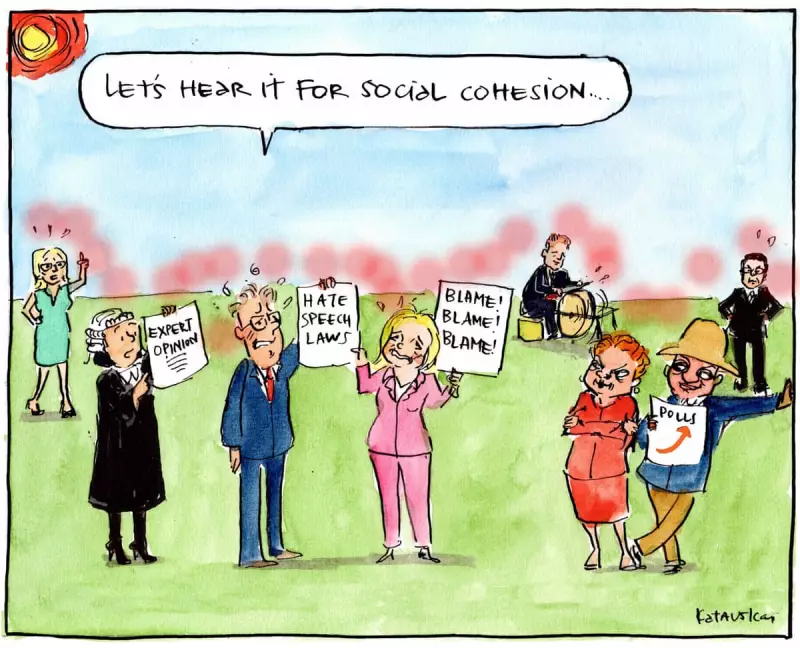
In a society increasingly marked by polarised debate and online vitriol, a critical question is emerging: can the power of legislation genuinely bring people closer together? The UK is currently grappling with this complex issue as it considers the implementation of new hate speech laws designed to curb abusive behaviour and foster a more respectful public discourse.
The Drive for Legislative Intervention
The push for updated hate speech legislation stems from a growing concern over the corrosive impact of abuse, particularly in digital spaces. Campaigners and some policymakers argue that the current legal framework is insufficient to address the scale and nature of modern hatred, which often spreads rapidly across social media platforms and can have devastating real-world consequences for individuals and communities.
Proponents believe that clearer, more robust laws will provide stronger protections for vulnerable groups and establish a firmer baseline for acceptable public conversation. The core idea is that by legally delineating the boundaries of harmful speech, the government can actively promote a culture of tolerance and mutual respect, thereby mending social fractures.

Navigating the Tightrope of Free Expression
However, this legislative path is fraught with significant challenges and fierce debate. Critics from civil liberties groups, legal experts, and some political quarters warn of the potential pitfalls. A primary concern is the risk of inadvertently stifling legitimate free speech, robust debate, and even satire. Defining hate speech with the precision required for criminal law is notoriously difficult; what one person perceives as a hateful attack, another may see as a strongly worded but permissible opinion.
There is a palpable fear that poorly drafted laws could grant authorities excessive power to police language and thought, potentially being used to silence minority or unpopular viewpoints rather than protect them. This tension between safeguarding individuals from harm and preserving the fundamental right to free expression lies at the very heart of the controversy.
Beyond the Law: The Limits of Legislation
Perhaps the most profound question is whether laws alone can ever engineer genuine social cohesion. Legislation can punish overt acts of hatred and set a standard, but it cannot directly change hearts and minds or build the empathetic connections that truly unite communities. Social cohesion is cultivated through education, community engagement, shared experiences, and sustained dialogue—processes that operate on a much deeper level than statutory prohibitions.
Some sociologists argue that an over-reliance on legal solutions might create a superficial compliance, where people moderate their public language out of fear of sanction rather than from a place of understanding or respect. This could drive prejudiced sentiments underground or into encrypted channels, potentially making them harder to challenge and counter.
The success of any new hate speech framework will likely depend on it being part of a much broader societal strategy. This strategy must encompass digital literacy education, support for community-led initiatives, and platforms for constructive intergroup dialogue. The law can provide the guardrails, but it cannot build the road to a more united society on its own.
As the UK parliament debates these proposed measures, the nation faces a delicate balancing act. The goal of protecting citizens from vile abuse is universally shared, but the method for achieving it remains hotly contested. The ultimate test for any new hate speech laws will not just be their legal robustness, but whether they contribute to a tangible sense of greater understanding and unity across the UK's diverse communities, or whether they become another flashpoint in the country's ongoing culture wars.