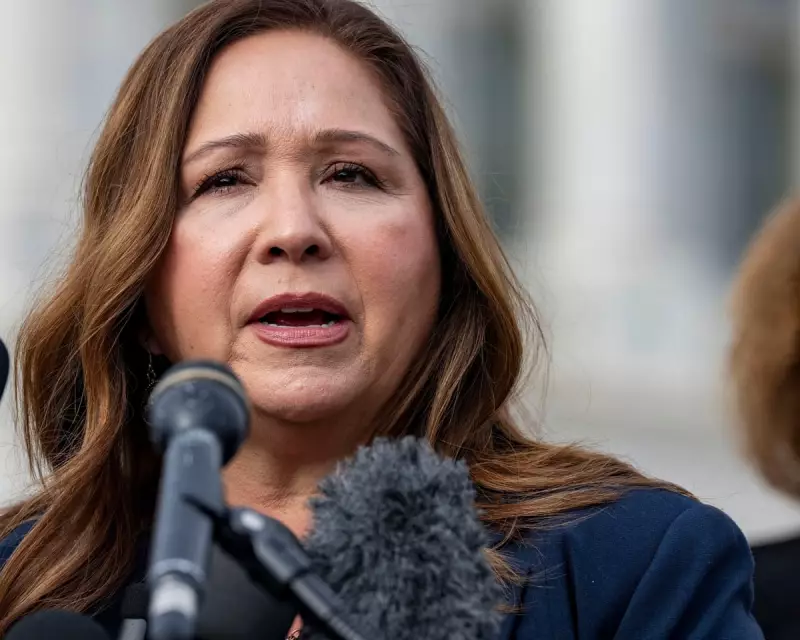
Arizona state senator Adelita Grijalva was subjected to pepper spray by US Immigration and Customs Enforcement (ICE) officers during a protest in Phoenix on Friday, December 5, 2025. The Democratic lawmaker was part of a group demonstrating against an immigration enforcement operation when the confrontation escalated.
Confrontation at the Phoenix Protest
The incident occurred outside a property in Phoenix where ICE agents were attempting to detain individuals. Senator Grijalva, alongside community activists and other protesters, had gathered to voice opposition to the operation. According to multiple eyewitness accounts and the senator's own statement, the situation intensified as protesters attempted to block access to a vehicle.
Senator Grijalva reported that an ICE officer directly sprayed her in the face with a chemical irritant, causing significant discomfort and requiring medical attention. Video footage from the scene appears to corroborate her account, showing a cloud of spray and the senator reacting in distress. The protest was largely peaceful prior to this use of force, which has been condemned by civil rights groups.

Official Responses and Escalating Tensions
In the aftermath, responses from involved parties have highlighted the deep divisions surrounding immigration policy. ICE officials stated their officers acted appropriately to clear a path for their vehicles, claiming protesters were obstructing a lawful operation. They defended the use of force as a necessary measure for officer safety.
However, Senator Grijalva and her supporters vehemently dispute this characterisation. The senator accused ICE of employing excessive and unwarranted aggression against non-violent citizens exercising their First Amendment rights. She has called for a full congressional investigation into the agency's conduct during the protest.
Political reaction has split along partisan lines. Fellow Democrats have rallied behind Grijalva, labelling the incident an assault on democratic dissent. Republican figures have largely backed the enforcement actions of ICE, emphasising the challenges officers face during volatile operations.
Broader Implications for Civil Liberties
This event has ignited a fierce debate that extends beyond a single protest. Legal experts are examining the boundaries of law enforcement authority when interacting with elected officials and the public during demonstrations. Civil liberties organisations argue the pepper-spraying of a sitting state senator marks a dangerous escalation in tactics against protesters.
The location of the incident is also significant. Arizona, a key border state, has long been a flashpoint for national immigration debates. Operations by federal agencies like ICE are frequently met with community resistance, but physical confrontations with high-profile politicians are rare. This case is likely to influence ongoing discussions about police reform, protest rights, and the scope of immigration enforcement powers.
As legal reviews proceed, the fallout from December 5th continues. Senator Grijalva has vowed to pursue accountability through all available channels, promising to introduce legislation aimed at increasing oversight of federal immigration enforcement actions within state borders. The incident stands as a potent symbol of the intense friction defining America's immigration policy landscape.