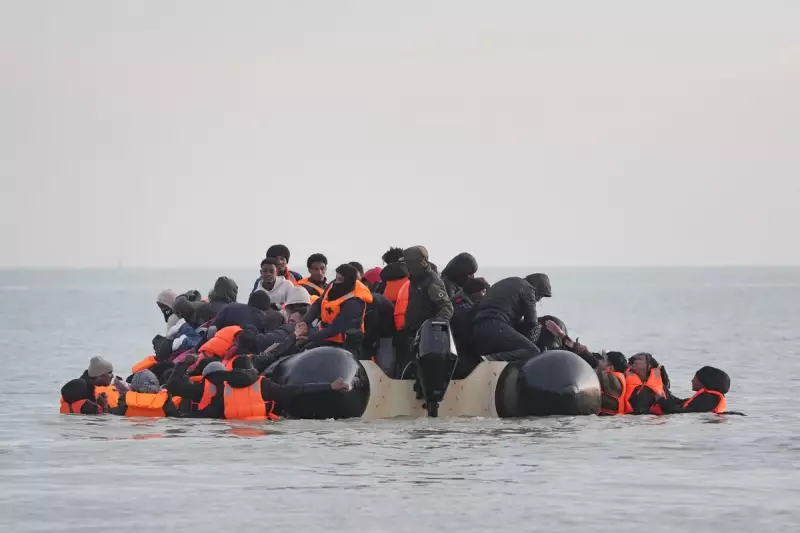
A Christmas Day swim in Devon turned to tragedy, exposing a brutal and uncomfortable truth about how we value human life. While a full-scale rescue operation was launched for two missing swimmers, thousands of migrants attempting similar Channel crossings meet a different, often fatal, fate.
A Festive Dip Turns Fatal on the Devon Coast
On Christmas morning, hundreds gathered for the annual festive swim at Exmouth beach in Devon. Amidst the Santa hats and seasonal cheer, the author plunged into the icy Channel waters, briefly caught by a strong current. The shock of the cold was soon eclipsed by sobering news.
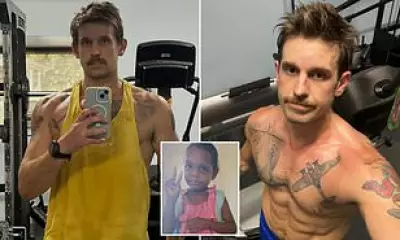
Just five miles down the coast at Budleigh Salterton, two men had been pulled out to sea during another swim. They had reportedly gone in to help other swimmers in distress. Emergency services were called at 10.25am, just over half an hour before the Exmouth event. Despite waves over 1.5 metres high on a beach that shelves dangerously, the festive tradition continued.

A major search was immediately launched. Coastguard boats and helicopters, alongside RNLI lifeboats from Exmouth, Teignmouth and Torbay, scoured the area for two full days. Tragically, the search was called off on Boxing Day with no survivors found.
The Stark Contrast of Search and Rescue Responses
This swift, comprehensive response stands in stark contrast to the reality faced by migrants and refugees crossing seas to seek safety. In the central Mediterranean, over 30,000 people have died or gone missing in the last decade. This staggering figure is compounded by policies that often hinder, rather than help.
Malta and Italy’s coastguards no longer conduct proactive search and rescue operations there. Malta regularly leaves distress calls from migrant boats unanswered, while Italy has repeatedly blocked civilian rescue vessels. The author witnessed this firsthand, spending weeks on a civil rescue boat that saved 160 people, including a six-month-old baby, from unseaworthy vessels leaving Libya.
Many survivors believed they would have died without intervention. Libyan authorities, who receive EU funding to curb migration, are known to shoot at rescue crews. The UK’s own policies prioritise border security over safety, with researchers stating this directly leads to deaths, like that of three people, including two children, crushed in a dinghy in September.
The Hostile Narrative That Costs Lives
Why does empathy stretch for some lives at sea and not others? Part of the answer lies in a sustained hostile narrative. A recent Runnymede Trust report found British media and politicians created a "racist narrative" about migrants between 2010 and 2024, portraying them as a threat to justify harsh policies.
These policies have tangible, deadly consequences. The UK has given France over £760m, used partly for violent tactics like slashing boats in the water. A further £3.77bn has been spent on Channel surveillance since 2015, yet crossings and deaths continue. With no safe routes available, people are forced into a deadly cycle.
On board the rescue vessel, the author spoke with survivors who shared stories of torture in Libya and showed pictures of their families. They connected as humans do, surrounded by the vast, uncaring sea. The loss of the two men in Budleigh Salterton is a profound tragedy, as is the loss of every life in the Channel or the Mediterranean.
The right to a full search and rescue effort should be universal, not contingent on nationality or circumstance. As we look ahead, the word for 2026 must be compassion—applied equally to all, regardless of the colour of their skin or their reason for being in the water.