Major US Metropolitan Areas Experience Population Decline Amid Immigration Policy Shifts
Several of the United States' largest metropolitan regions are witnessing population contraction, with most others experiencing significantly slower growth rates, according to newly released government data. The U.S. Census Bureau, which published updated figures on Thursday, identifies a nationwide reduction in net international migration as the primary factor behind this demographic shift. This trend coincides directly with President Donald Trump's intensified immigration enforcement measures.
"The nation's largest counties, such as those within the New York metropolitan area, typically function as international migration hubs," explained George Hayward, a demographer at the Census Bureau, in an official news release. "They traditionally gain substantial numbers of international migrants while losing residents to domestic migration elsewhere. With diminished gains from international migration, these counties have seen their population growth severely slow or even reverse into decline."
Hardest-Hit Regions and Contrasting Growth Patterns
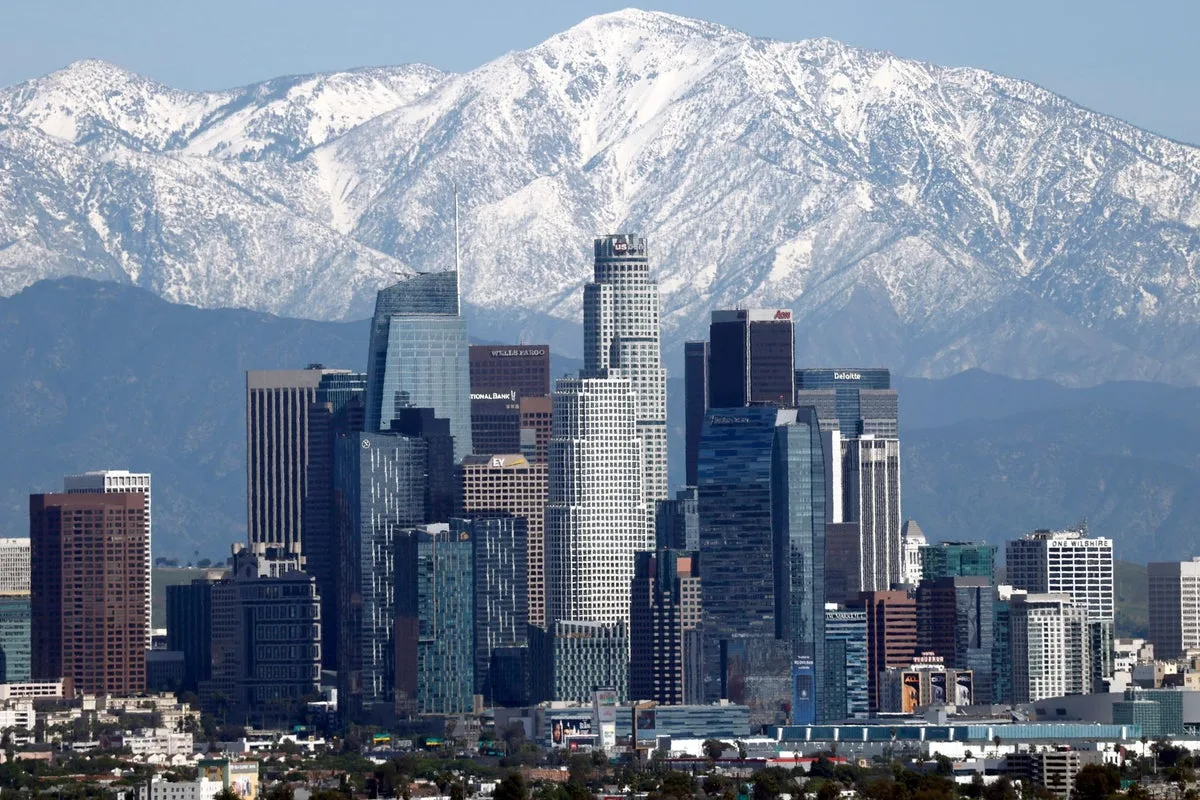
Among the areas most severely affected by this trend are Los Angeles, Miami, and San Diego. Notably, New York City recorded its first population drop in three years. In stark contrast, numerous mid-sized and smaller metropolitan areas registered significant population increases. These growing regions include Austin, Raleigh, and Myrtle Beach, highlighting a potential demographic shift toward different regions of the country.
The latest Census Bureau analysis covers year-over-year changes from July 2024 to July 2025 across counties and metropolitan statistical areas. The findings were compiled using comprehensive data on births, deaths, and migration patterns.
Widespread Slowdown in Population Growth
Population growth decelerated across nearly all regions, declining in the majority of the nation's 3,143 counties. Of the 2,066 counties that gained residents between 2023 and 2024, almost 80 percent experienced either slower growth or an outright reversal into population loss during 2025.
The limited number of counties that maintained high growth rates were predominantly concentrated in the Southeastern United States, especially within Florida, Georgia, South Carolina, and North Carolina.
Simultaneously, approximately 80 percent of metropolitan areas—310 out of 387—saw fewer new residents arriving between 2024 and 2025 compared to the previous year. A particularly striking pattern emerged along the southern border, where the three areas with the most severe population decreases are all located: Laredo, Texas; Yuma, Arizona; and El Centro, California.
On average, the growth rate for U.S. metropolitan areas fell to 0.6 percent, a significant drop from the 1.1 percent rate recorded between 2023 and 2024.
Key Contributing Factors Behind the Trend
The Census Bureau, operating under the Department of Commerce, highlighted several interconnected factors driving this demographic shift:
- Reductions in domestic migration between states and regions.
- A persistently low national birth rate, with the U.S. fertility rate reaching a near-record low of 1.6 births per woman in 2024.
However, officials and independent analysts emphasize that the predominant driver is the sharp decline in international immigration. "The vast majority of the immigration slowdown is attributable to policy shifts," stated Eric Finnigan, Vice President of Demographics Research at John Burns Research and Consulting, in comments to The Wall Street Journal.
Helen You, Interim Director of the Texas Demographic Center, told CBS News that the dramatic decreases observed along the U.S.-Mexico border underscore the profound impact of immigration policies on "year-to-year population change."
Trump Administration's Immigration Enforcement Actions
President Trump, who pledged to implement the largest deportation program in American history, initiated a stringent crackdown on immigration shortly after taking office. His administration strengthened interior enforcement mechanisms and dramatically reduced the number of illegal border crossings.
One year into his second term, the Department of Homeland Security reported that nearly three million undocumented immigrants had departed the country. This total included an estimated 2.2 million individuals who left voluntarily and over 675,000 who were formally deported.
Analysis of the Top Five Metropolitan Areas
Population growth either slowed considerably or reversed entirely in each of the nation's five largest metropolitan areas during the last measured period. These regions are collectively home to nearly 60 million residents.
- New York City Metro Area: Remained the nation's largest with 20,112,448 residents in 2025, marking a minimal increase of just 32,361 from the previous year. This contrasts sharply with the gain of 291,111 people recorded between 2023 and 2024.
- Chicago Metro Area: Growth decelerated significantly, rising by only 22,925 residents compared to an increase of 75,277 the prior year.
- Dallas Metro Area: This major Texas hub added 123,557 people in 2024, down substantially from the 189,460 added the previous year.
- Houston Metro Area: Similarly, growth slowed, with an addition of 126,720 residents compared to 190,261 the year before.
- Los Angeles Metro Area: Experienced an outright population loss of 62,454 people, following a gain of 24,986 the previous year.
This comprehensive data paints a clear picture of how federal immigration policy is actively reshaping the demographic landscape of the United States, redirecting growth away from traditional international gateways and toward select interior and southeastern regions.