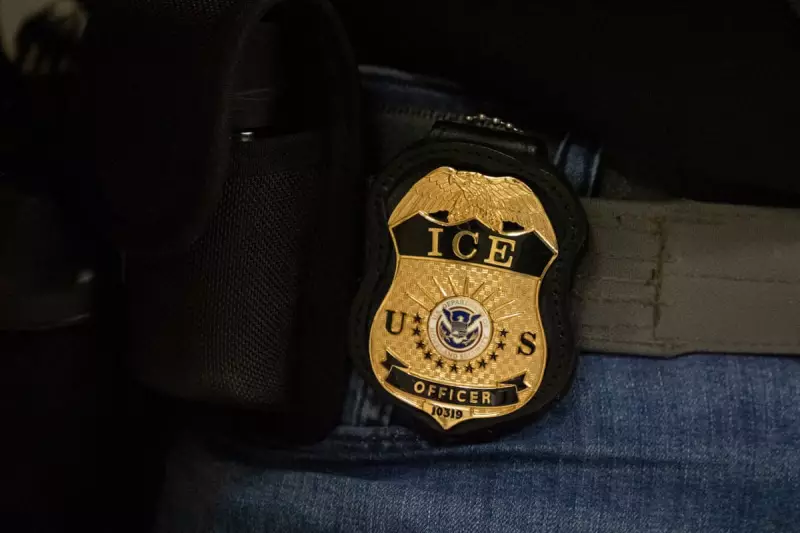
A woman from Maryland, a natural-born United States citizen, endured a ten-day ordeal in Immigration and Customs Enforcement (ICE) custody after being arrested during a routine traffic stop. The incident, which concluded with her release on Thursday, has ignited serious questions about the agency's verification processes and the potential for wrongful detention of American nationals.
A Traffic Stop Leads to Unexpected Detention
The case began when the woman, whose identity has not been publicly disclosed, was pulled over by police in Maryland. During the stop, officers discovered an outstanding warrant from the Prince George's County Sheriff's Office related to an alleged immigration violation. Despite asserting her US citizenship, she was taken into custody and subsequently transferred to ICE.
For the next ten days, she was held at the Howard County Detention Centre in Jessup, Maryland. Her legal representative, a lawyer from the Capital Area Immigrants' Rights Coalition, immediately challenged the detention. The lawyer presented conclusive proof of her client's citizenship, including a US birth certificate and a passport, to both the sheriff's office and ICE officials.
Systemic Failures and Legal Challenges
The detention persisted despite the evidence. The lawyer argued that the warrant leading to her arrest was invalid, as it was based on an Immigration and Customs Enforcement detainer request. Crucially, such detainers are not judicial warrants and do not provide independent legal grounds for an arrest.
This case underscores a worrying pattern of ICE failing to adequately verify citizenship status before initiating detention proceedings. Advocacy groups have long documented instances where US citizens, particularly those from minority backgrounds, have been wrongfully held. The process relies heavily on databases which can contain errors, and the burden of proof often falls disproportionately on the detained individual.
"This should never have happened," stated the woman's lawyer, emphasising the clear-cut nature of the documentation provided. "Her case is a stark reminder of how easily the system can fail, even for those with the most fundamental right to be here."
Release and Ongoing Repercussions
Following sustained legal pressure, ICE confirmed the woman's release on Thursday, 8th January. In a statement, the agency said it "re-evaluated her case and determined she was a US citizen" after reviewing the additional documentation provided by her counsel.
While free, the woman now faces the lingering consequences of her wrongful detention. The experience was reportedly deeply traumatic. Furthermore, the erroneous immigration warrant may still pose administrative hurdles that require legal resolution to fully clear her name.
This incident is likely to fuel ongoing debates in the United States about immigration enforcement practices, oversight, and the protections afforded to citizens. It raises critical questions about the mechanisms intended to prevent such errors and the accountability of agencies when they occur.