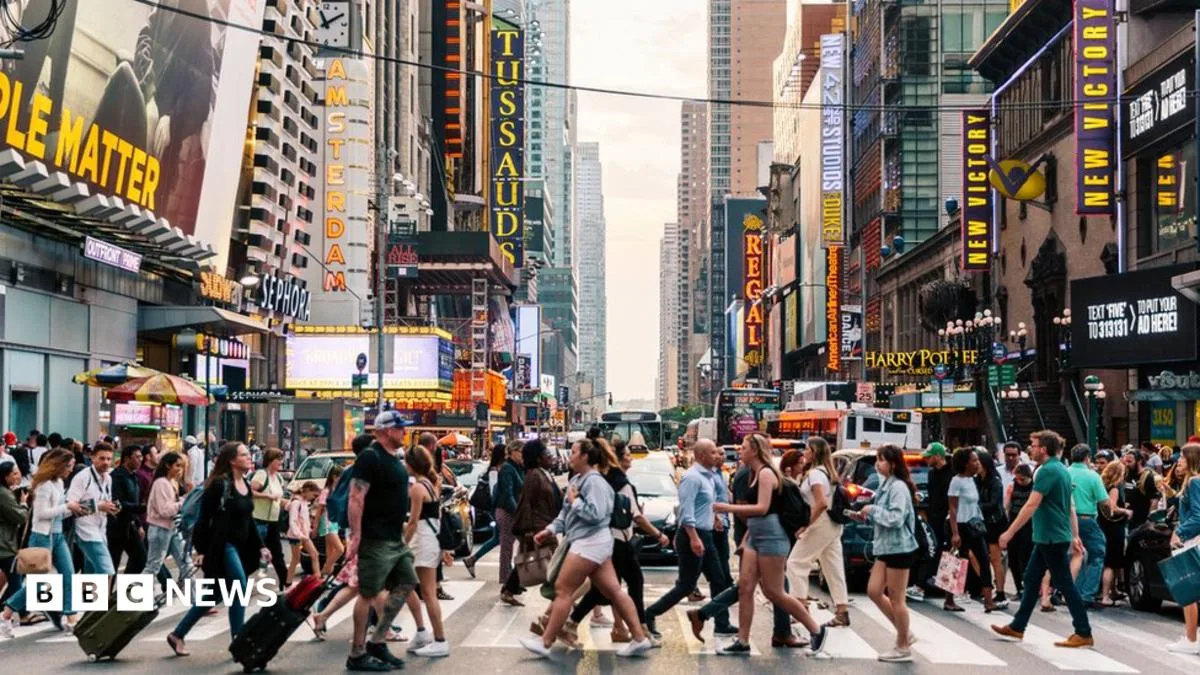
The 2020 US Census has revealed significant demographic shifts, with the Hispanic and Asian-American populations driving overall growth. The number of Americans identifying as white fell below 60% for the first time, marking a historic change in the country's ethnic composition. The data, collected during the Covid-19 pandemic, will be used to redraw voting districts ahead of next year's midterm elections.
The total US population reached 331 million, growing by 7.4% over the past decade, the slowest rate since the 1930s. Just over half of this growth came from the Hispanic population, which rose to 62.1 million, or 18.7% of the total, up from 16.4% in 2010. The Asian-American population surged by 35% to 24 million, making it the fastest-growing segment. The black population grew by 5.6%, maintaining its share at 12.1%.
Experts say these changes will reshape American identity and politics. Ann Morning of New York University noted, 'It's going to require new ways of understanding about who's American.' The redistricting process, controlled by Republicans in 20 states and Democrats in 10, could influence electoral outcomes. Some fear that the demographic shift may lead to gerrymandering, as racial and ethnic minorities tend to vote Democratic.
Marc Morial of the National Urban League warned that the shrinking white population could provoke 'anti-democratic, racially-anxious' reactions among state legislatures. However, political scientist Charles Bullock argued that the shift will make it harder for Republicans to draw favourable districts. The Census Bureau faced challenges during data collection, including the pandemic and a controversial citizenship question proposed by the Trump administration, leading to concerns about accuracy and potential lawsuits.