Major Overhaul of UK Asylum System Announced by Home Secretary
In a significant policy shift, the Home Secretary Shabana Mahmood is set to announce that individuals granted asylum in the United Kingdom will now have their refugee status subjected to a comprehensive review every 30 months. This dramatic change marks a departure from the current system, where refugees typically receive a five-year period of status before they can apply for indefinite leave to remain and potentially pursue a pathway to citizenship.
Denmark-Inspired Reforms Aim to Curb Migration
The new framework, which is modelled directly on Denmark's stringent asylum and immigration system, will require refugees to actively renew their permission to stay in the UK or apply through alternative visa routes, just like any other legal migrant. This process will involve paying associated fees, adding a financial dimension to the renewal procedure. Refugees whose home countries are subsequently deemed safe by authorities will be expected to return home, a move designed to reduce long-term settlement numbers.
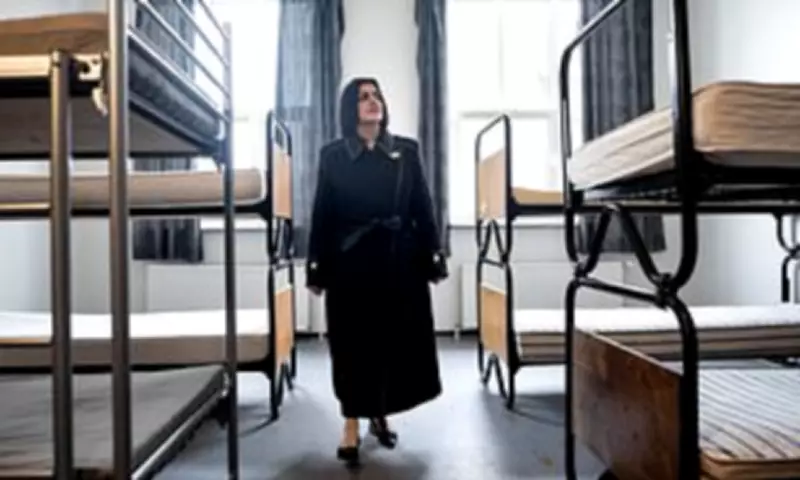
Ms Mahmood, who recently visited Copenhagen to study Denmark's approach firsthand, articulated her rationale in a statement: 'This country will always provide sanctuary to those genuinely fleeing danger. But the generosity of our asylum system is drawing people from across the world, funding human traffickers and encouraging false asylum claims.' She emphasized that while genuine refugees will continue to find safety in Britain, the reforms aim to make the UK less attractive for illegal migrants. 'So once a refugee's home is safe and they are able to return, they will be expected to do so. This is a firm but fair approach, restoring order and control of Britain's borders, while protecting those truly fleeing war and repression.'
Implementation Details and Exceptions
The policy shift will be introduced through an Immigration Rules change later this week, with the new system taking effect from Monday. However, asylum seekers already in the country will continue to be assessed under the previous rules, ensuring a transitional period. Unaccompanied children will be granted a temporary reprieve, receiving five years' leave while a long-term policy for this vulnerable group is carefully considered.
To address concerns about fraudulent claims, the Home Office has highlighted that robust age assessment measures, including the deployment of AI technology, are already in place to identify false claims by migrants purporting to be under 18. This technological intervention aims to enhance the integrity of the asylum process.
Political Backlash and Labour Party Divisions
Despite the Home Secretary's firm stance, she faces considerable internal opposition within the Labour Party. Reports indicate that as many as 80 Labour MPs are preparing to rebel against the plans, particularly in the wake of the party's recent electoral defeat to the Greens in the Gorton and Denton constituencies. One backbencher described Ms Mahmood's approach as 'extreme', reflecting deep-seated discontent.
Other prominent Labour figures have issued more nuanced warnings. London Mayor Sir Sadiq Khan, in a column for the Guardian, cautioned against 'trying to compete with' Reform UK, suggesting such tactics feel 'inauthentic'. Nevertheless, Ms Mahmood remains resolute, telling GB News during her Copenhagen visit: 'I'm going to go ahead with this package.' She argues that migration reform aligns with Labour values by prioritizing community cohesion and border control.
Context and Broader Implications
The Danish system, which has been in place since 2015, subjects refugee status to review every two years and has reportedly reduced asylum applications to their lowest level in four decades, with 95% of rejected asylum seekers being removed. The UK Government hopes that adopting a similar model will deter illegal immigration, especially in light of recent Channel crossings. Last week alone, 605 migrants arrived on a single day—the highest daily figure this year—bringing the total for 2024 to over 2,200.
Ms Mahmood's overarching belief is that the Government must take decisive action to cut migration, warning that failure to do so could 'risk opening the door to the right who would divide communities with the kind of anti-immigration raids seen in the US.' This policy represents a pivotal moment in UK immigration strategy, balancing humanitarian commitments with stricter enforcement mechanisms.