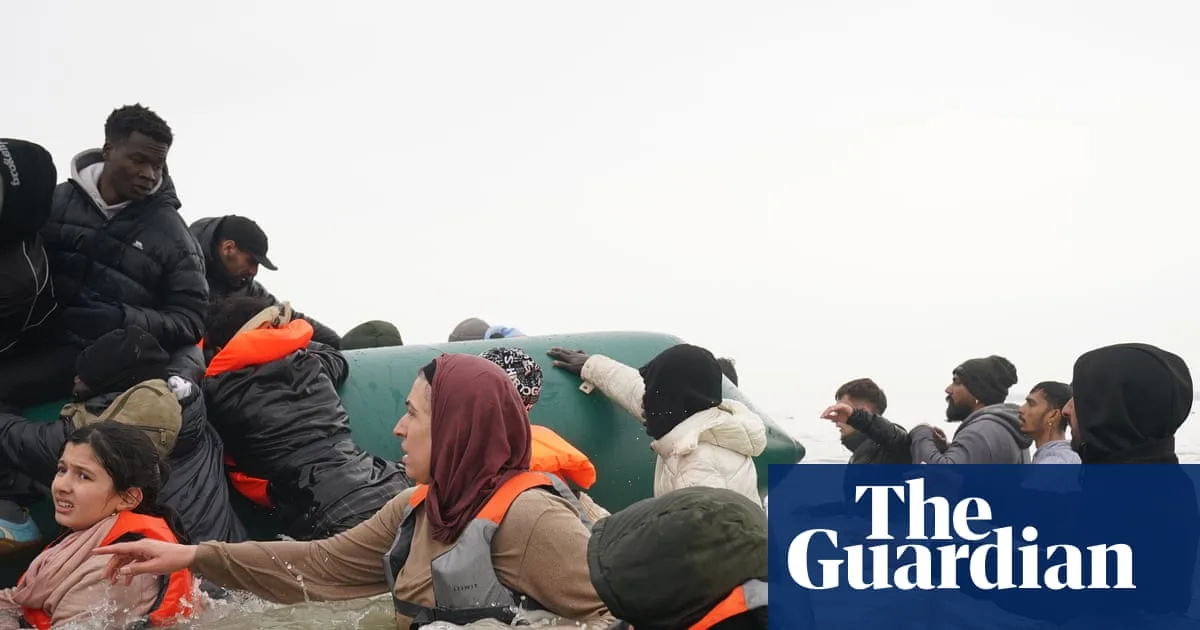
UK to Pay France Up to £660 Million for Channel Migrant Patrols
UK to Pay France £660 Million for Channel Migrant Patrols

UK Commits Up to £660 Million to France for Enhanced Channel Patrols

British taxpayers are set to provide France with up to £660 million to fund intensified small boat patrol operations in the English Channel. This substantial financial commitment pushes the total amount paid to French authorities since the onset of the Channel migrant crisis beyond the £1.3 billion mark.

Details of the New Three-Year Agreement

The Labour government has negotiated a comprehensive "core package" worth £500 million, which will be disbursed over the next three years to sustain anti-migrant operations conducted by French police forces. An additional conditional payment of £160 million is allocated to support novel French tactics, specifically targeting the interception of dinghies after they have entered the water.

However, this supplementary funding—approximately £53 million annually—will only continue beyond the first year contingent upon the French authorities demonstrating tangible results in their interception efforts. Home Secretary Shabana Mahmood is scheduled to formalize this landmark agreement during a signing ceremony in Paris on Thursday.

Wide Pickt banner — collaborative shopping lists app for Telegram, phone mockup with grocery list

Context and Previous Arrangements

This new accord follows a previous three-year deal valued at £500 million, which was established in 2023 under former Conservative Prime Minister Rishi Sunak. Since that agreement was implemented, more than 84,000 migrants have successfully crossed the Channel and reached British shores.

In a significant disclosure, it has been confirmed for the first time that the French authorities' new maritime interception initiative will exclusively apply to dinghies carrying fewer than 20 migrants. This limitation has been instituted due to French safety concerns, as intercepting more densely packed vessels could potentially result in loss of life.

Operational Enhancements and Performance Metrics

The £53 million annual conditional payments will be partially determined by the number of boats successfully intercepted at sea by French forces. British funding will finance several critical enhancements to French operational capabilities, including:

  • A new specialist vessel dedicated to maritime interceptions.
  • Twenty additional trained maritime officers to execute interception operations.
  • Two new helicopters to bolster surveillance along the French coastline.
  • A new 50-strong police riot squad, specially trained in dispersing large gatherings of people.

Overall, this agreement will facilitate a 40 percent increase in the number of French personnel—including police, intelligence operatives, and military reservists—engaged in counter-migrant patrols, expanding the force from approximately 750 to 1,100 individuals.

Intelligence and Surveillance Upgrades

The deal also includes provisions to expand a specialist intelligence unit focused on targeting human traffickers, increasing its staff to 30. Furthermore, it will fund additional surveillance drones and implement a new, comprehensive system of security cameras along the coast. While the exact performance criteria for evaluating French effectiveness have not been publicly disclosed, the conditional nature of the additional funding underscores a results-oriented approach.

Political Reactions and Statements

Prime Minister Sir Keir Starmer hailed the agreement as "historic," emphasizing the necessity to restore order and control to UK borders. "We must bear down on these dangerous crossings and bring people smugglers to justice," Starmer stated. "Our work with the French has already stopped tens of thousands of crossings, and this government has deported or returned nearly 60,000 people with no right to be here. This historic agreement means we can go further."

Home Secretary Shabana Mahmood echoed this sentiment, noting that collaborative efforts have prevented tens of thousands of illegal migrants from boarding boats. "But we must do more," she asserted. "This landmark deal will stop illegal migrants making the perilous journey and put people smugglers behind bars." The Home Office reported that since the 2024 election, joint operations have thwarted over 42,000 attempted Channel crossings.

Pickt after-article banner — collaborative shopping lists app with family illustration

Criticism and Concerns

Despite these assertions, critics have highlighted a significant loophole: individuals prevented from boarding dinghies are typically released and can attempt the crossing again on subsequent days. Shadow Home Secretary Chris Philp voiced strong opposition, arguing, "The government's deal hands over half a billion pounds of our money with no conditions at all. France only prevented a third of embarkations last year and they even let those illegal immigrants go to try again. France shouldn't get a single penny unless they stop the vast majority of the boats."

Financial Implications and Seasonal Timing

If the full £660 million outlined in the new agreement is ultimately transferred, the cumulative British taxpayer contribution to France for managing the small boat crisis since 2018 will reach £1.335 billion. The newly funded measures are slated to be fully implemented and enhanced over the coming summer months, which historically represent the peak period for migrant crossings in the Channel.