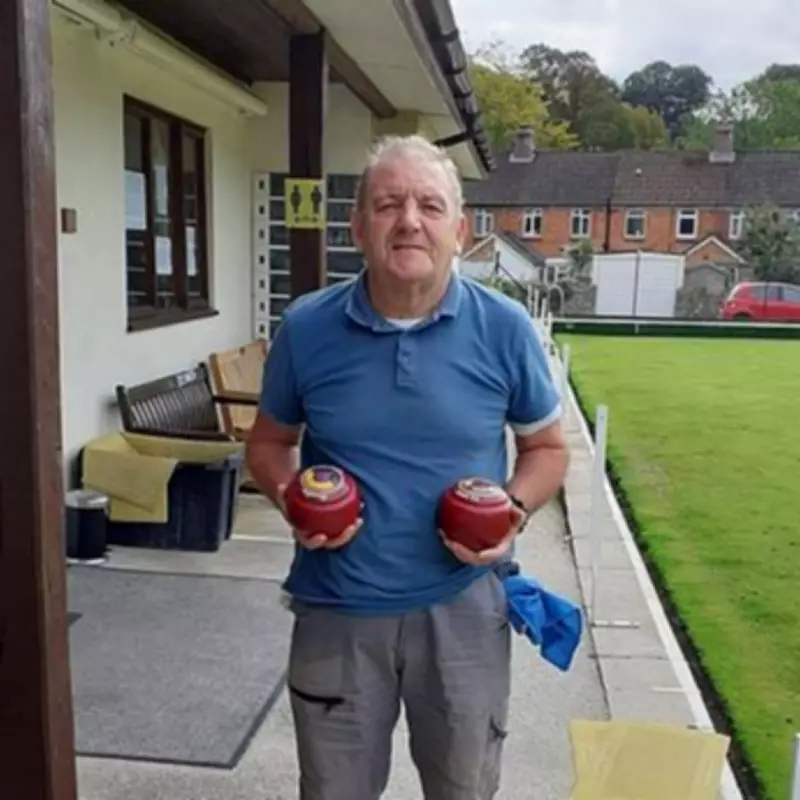
British Bowls Enthusiast Released from Chilean Prison on Medical Grounds
William Eastment, an 80-year-old British pensioner and keen bowls player, has been released from a Chilean prison on health grounds and placed under full house arrest as he awaits the outcome of alleged drug trafficking charges. The retired mechanic, known as 'Billy Boy', had been held in pretrial detention since May last year following his arrest during a stopover in Santiago while travelling from Mexico to Australia.
Deteriorating Health Leads to Court Decision
The Santiago Guarantee Court ruled for Eastment's release after both prosecutors and defence lawyers agreed his physical condition had severely deteriorated during his time in Santiago 1 Penitentiary. Appearing frail and hunched during Monday's hearing, Eastment wore a loose white sweatshirt and followed proceedings through a translator.
His lawyer, Macarena Vial, told the court: "He is in a very critical health situation, with chronic problems that have been severely aggravated in Santiago 1. He is a person requiring care, basically. He has a chronic lung disease, a colostomy that poses a constant risk of infection, and a series of other problems."

Medical Challenges in Custody
Vial detailed the significant difficulties Eastment faced managing his medical condition while incarcerated. "He has a hernia right below his colostomy, which requires surgery and means he has to use special bags. They are expensive, must be brought from abroad, and the prison doesn't provide them," she explained.
"Every time his supply runs out, he hasn't had the medical supplies to contain the waste, constantly exposing himself to the risk of infection."
Obtaining necessary medical supplies proved particularly challenging. "The family had to transfer funds to the embassy, and from there they bought them and sent them to Santiago. It's a very difficult coordination because you have to coordinate with the Gendarmerie in a prison that is overwhelmed," Vial added.
House Arrest Arrangements
The court heard that Eastment had lost more than three stone in weight during his detention and was "practically no longer self-sufficient." Under the ruling, he will serve house arrest in a shelter in western Santiago arranged with support from Chile's Public Criminal Defence Office, where he will receive daily care and supervision.
The court also ordered steps to secure proper medical treatment, including enrolment in the national health system and admission to a local family health centre. "He will be able to access his treatments and they will provide him with the medications he needs," Vial said.
Allegations and Defence
Eastment was arrested after police allegedly discovered nearly five kilos of methamphetamine in his luggage at Santiago airport. He has consistently maintained he was tricked into carrying the suitcase, telling prosecutors he believed he had been contacted by individuals posing as representatives linked to the International Monetary Fund.
According to his lawyer, Eastment received emails from a person named Carolina informing him that a relative in New Zealand had died and that he needed to travel to Auckland to sign documents to access the inheritance.
Prison Experience and Health Concerns
During his detention, Eastment struggled with language barriers and initially relied on another inmate who spoke English to communicate. "For the first six or eight months, he was with someone who spoke native English, and they formed a very nice friendship. After that, he was more alone," Vial explained.
His emotional state fluctuated significantly during incarceration. "At first, he went through some very difficult times because he didn't see much of a way out. But we've tried to support him and give him some hope that this isn't permanent," his lawyer said.
Before his release, concerns had been mounting over his deteriorating health. Sources close to the case revealed he suffered repeated bouts of pneumonia while in custody alongside other serious underlying conditions. One source stated: "His health isn't good at all. He's very vulnerable, and being in prison is making everything worse. There's real concern about how much longer he can cope."

Legal Proceedings Continue
The criminal proceedings against Eastment continue despite his release to house arrest. Legal efforts have been underway to avoid a full trial, with sources indicating negotiations for a shortened trial process given his fragile health condition.
Extradition to the United Kingdom has not been considered viable, and under Chilean law, replacing a prison sentence with expulsion from the country is not an option for drug offences. Because Eastment entered Chile as a tourist, he was not initially eligible for the national health system and required financial backing to cover treatment costs.
Eastment's case highlights the complex intersection of international law, healthcare access for foreign detainees, and the challenges faced by elderly individuals in prison systems far from home.