
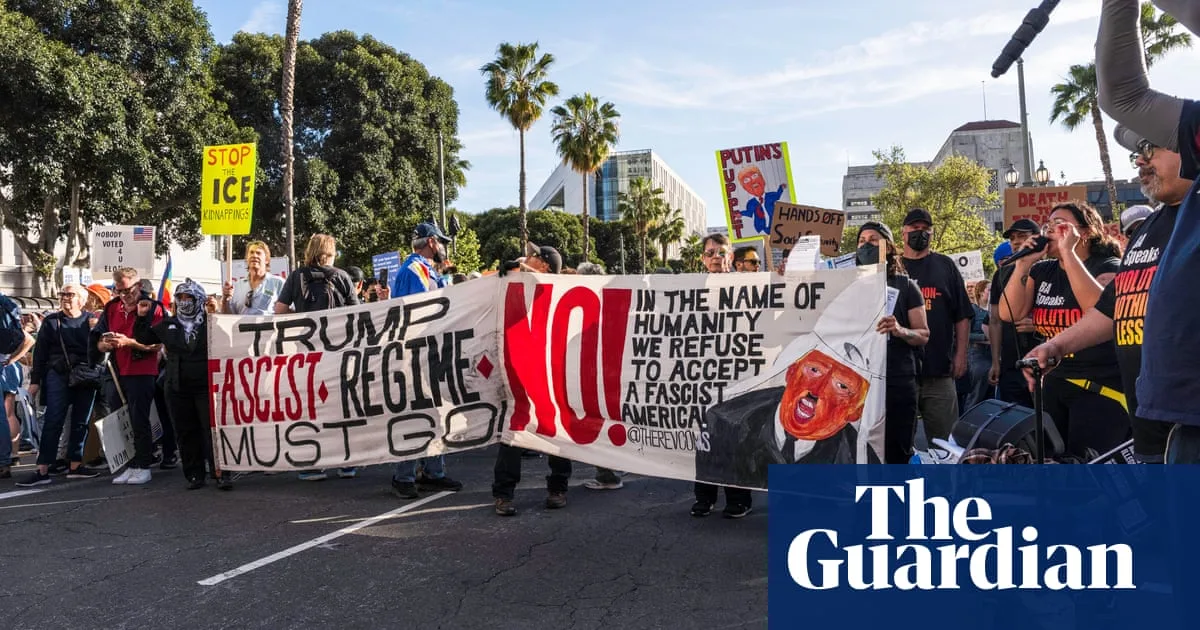
President Donald Trump has escalated his attacks on the legal immigration system, threatening sanctions against lawyers and law firms that represent non-citizens in challenges to his administration's policies. In a memorandum issued on 22 March to Attorney General Pam Bondi and Homeland Security Secretary Kristi Noem, Trump accused attorneys of engaging in 'unscrupulous behavior' and coaching clients to lie about their asylum claims. He directed Bondi to pursue sanctions against lawyers and ordered both officials to prioritise enforcing attorney discipline, while threatening to revoke security clearances and federal contracts.
The American Immigration Lawyers Association (AILA), which represents over 16,000 immigration attorneys, described the memo as 'chilling, unfounded and dangerous'. AILA President Kelli Stump said the organisation 'will not be intimidated'. The move is part of a broader pattern by the Trump administration to undermine due process for non-citizens, including defying court orders, threatening judges, and attempting to cut off funding for children's attorneys.
Critics argue that these actions make it easier to deport people without proper legal safeguards, increasing the risk of wrongful deportations and family separations. One US circuit judge noted that 'Nazis got better treatment' during World War II than hundreds of Venezuelans recently sent to El Salvador's maximum-security prison without court hearings. The administration has also ended the right to seek asylum at the US-Mexico border, paused green card processing for refugees and asylum seekers, and sent migrants to Guantánamo Bay, where detainees report being shackled and beaten.
Unlike criminal defendants, non-citizens do not have a right to legal counsel in immigration court, making them particularly vulnerable to mistreatment. Many law firms have historically provided pro bono representation to immigrants, but some have become less vocal about their plans to challenge the current crackdown. One firm, Paul, Weiss, which was prominent in immigration pro bono work during Trump's first term, has reportedly caved to some of Trump's demands.




