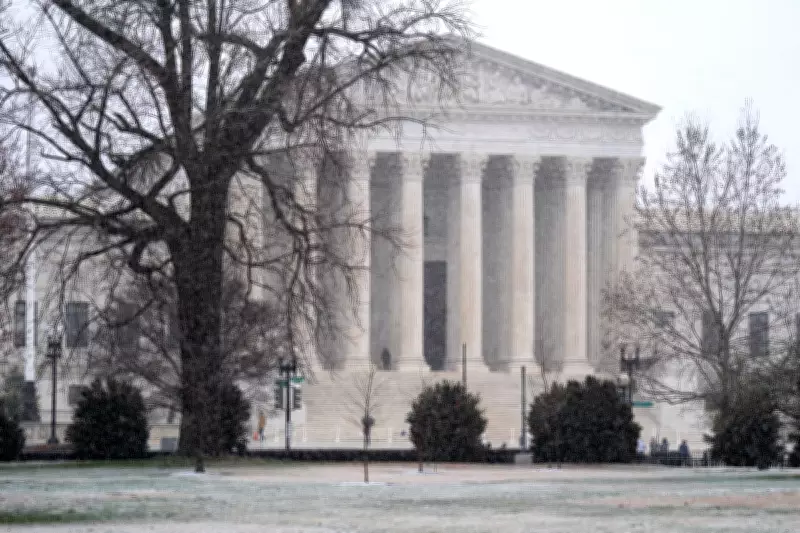
Supreme Court to Hear Arguments Over Ending Legal Protections for Migrants from Haiti and Syria
The Supreme Court of the United States has agreed to hear arguments regarding the Trump administration's efforts to terminate legal protections for individuals fleeing war and natural disasters from various countries, notably including Haiti and Syria. This decision follows an appeal by the Justice Department after lower court rulings had postponed the cessation of these protections, which currently permit such migrants to reside and work legally within the United States.
Background and Legal Context
The case centers on the administration's push to end safeguards that have been in place for people escaping dire circumstances in their home nations. The high court's move to take up the matter underscores the ongoing legal battles surrounding immigration policy in the US. Previously, the conservative-majority court has permitted immigration authorities to discontinue similar protections for approximately 600,000 Venezuelan nationals, leaving them vulnerable to potential deportation proceedings.
This upcoming hearing is expected to delve into the legal justifications for maintaining or revoking these protections, with significant implications for thousands of migrants from affected regions. The arguments will likely address the balance between national immigration enforcement and humanitarian considerations for those fleeing crises.

Implications and Broader Impact
The outcome of this case could set a precedent for how the US handles protections for migrants from other nations facing similar turmoil. Legal experts anticipate that the court's ruling will influence future immigration policies and the treatment of individuals seeking refuge from global conflicts and disasters. The hearing is scheduled to proceed as the Justice Department seeks to overturn the lower court delays that have kept these protections in place temporarily.
As the Supreme Court prepares to weigh in, stakeholders on both sides of the immigration debate are closely monitoring the proceedings, which could reshape the landscape of US asylum and protection laws for years to come.