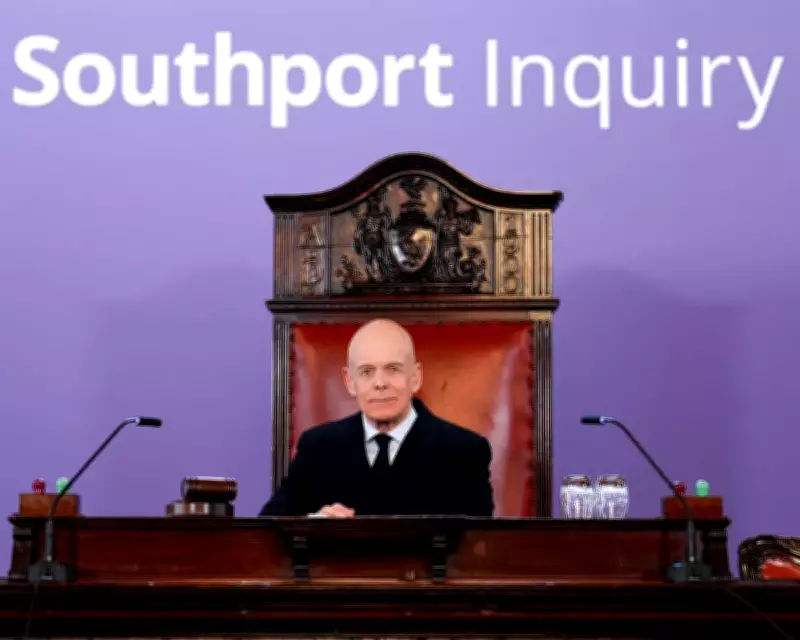
Southport Attack Inquiry Condemns Catastrophic Systemic Failures and Parental Neglect
A devastating official inquiry has concluded that the Southport atrocity, which claimed the lives of three young girls and injured ten others, resulted from catastrophic failures by multiple state agencies and the irresponsible actions of the attacker's parents. Sir Adrian Fulford, chairing the inquiry, delivered a scathing report that highlights a complete breakdown in Britain's multi-agency model for managing high-risk individuals.
Unheeded Warning Signs and a Culture of Buck-Passing
The inquiry found that Axel Rudakubana's capacity for grave violence had been clearly and repeatedly signposted over many years, yet no organisation took ownership of the risk he posed. Sir Adrian Fulford condemned an inappropriate merry-go-round of referrals and hand-offs between agencies, describing their refusal to accept responsibility as frankly depressing. He emphasised that this culture must end to prevent future tragedies.
Rudakubana, who was 17 at the time of the attack, had been on the state's radar since October 2019, when he admitted murderous thoughts to Childline. Despite early incidents, including bringing weapons to school and assaulting a peer, information was not shared effectively between agencies, leading to a critical underestimation of his threat level.

Parental Failures and Missed Opportunities
The report also pointed to profound concerns about the misguided and irresponsible role of Rudakubana's parents, Alphonse Rudakubana and Laetitia Muzayire. They discovered their son was building a lethal arsenal of weapons in the weeks before the attack but failed to report it to police, fearing he would be arrested or taken into care. The inquiry stated that if their concerns had been shared, the tragedy would almost certainly have been prevented.
Merseyside police investigated the parents but concluded that evidence did not meet the criminal threshold for prosecution. Additionally, professionals were criticised for excusing Rudakubana's violent behaviour based on his autism, which the inquiry deemed unacceptable and superficial.
Systemic Reforms and Government Response
Sir Adrian Fulford urged ministers to establish a dedicated agency to oversee complex offenders like Rudakubana, citing a complete failure of existing systems. Home Secretary Shabana Mahmood announced plans for new legislation to criminalise mass-casualty attacks without terrorism motives and indicated that the inquiry's second phase, due next spring, will recommend a body to address boys warped by online isolation.
Prime Minister Keir Starmer described the findings as truly harrowing and profoundly disturbing, while bereaved families called for immediate action and whole-scale system reform across health, social care, education, and policing. The inquiry also highlighted Rudakubana's chilling internet use, which included degrading and violent content that fueled his obsession, leading to weapons accumulation like knives, a crossbow, and ricin materials.
Fulford concluded that with appropriate procedures and sensible steps, the attack could and should have been prevented, underscoring the urgent need for accountability and change to safeguard communities.