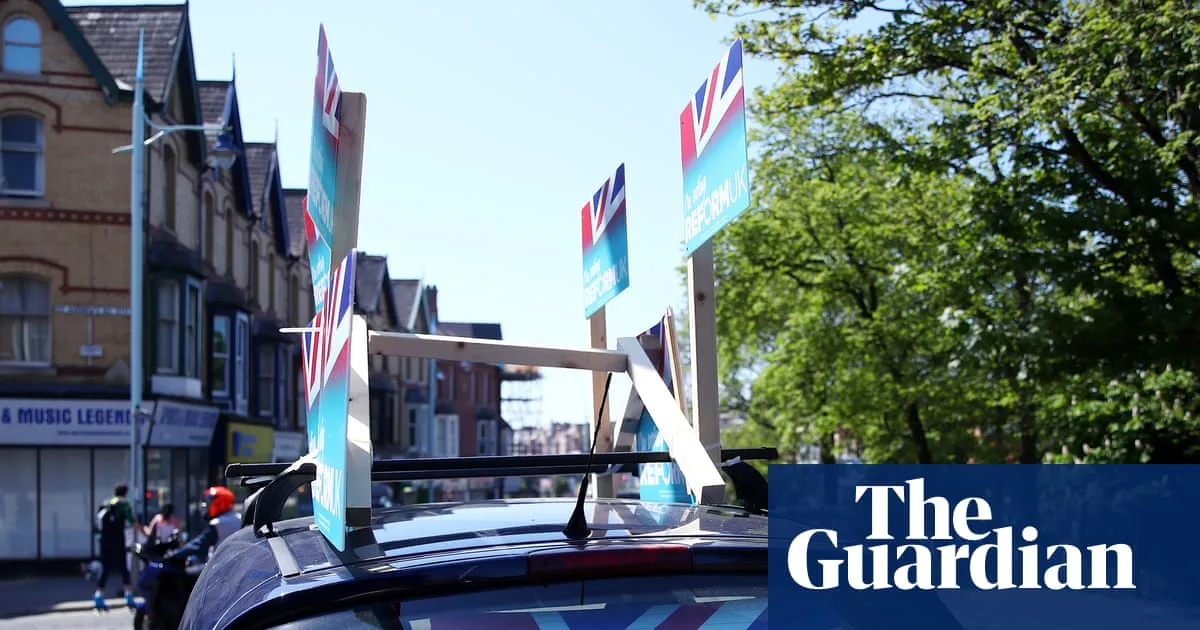
Reform-led Lancashire council to quit refugee resettlement scheme
Reform-led Lancashire council to quit refugee scheme

Reform UK-led Lancashire county council has announced its intention to withdraw from the government's refugee resettlement scheme, potentially becoming the first local authority to do so. Councillor Joshua Roberts, cabinet member for rural affairs, environment and communities, confirmed the plan on the eve of local elections.

Details of the withdrawal

The move would see Lancashire cease participation in the UK Resettlement Scheme (UKRS) and the Afghan Resettlement Programme (ARP). The county council currently coordinates these schemes on behalf of 14 unitary and district councils responsible for housing refugees. Roberts stated that funds previously allocated to resettlement would be redirected to support vulnerable residents and veterans in Lancashire.

While the schemes are funded by central government, Reform UK argues they place significant pressure on council resources and the local housing market. Roberts said: "This proposal is about fairness. Reform UK was elected last May to make sure that the people who live, work and contribute to Lancashire are put at the front of the queue and are not disadvantaged."

Wide Pickt banner — collaborative shopping lists app for Telegram, phone mockup with grocery list

Political reactions

Opposition councillors dismissed the announcement as a "political stunt" timed to coincide with local elections. Azhar Ali, leader of the Progressive Lancashire opposition group, noted that the schemes are central government initiatives and that Lancashire is paid to administer them. He suggested the government would find other councils to take on the role.

Conservative group leader Aidy Riggott expressed caution, stating: "I await the cabinet paper with interest and do hope that this isn't another bungled, ill-thought-through announcement from Reform just days before local elections." Green party group leader Gina Dowding echoed the sentiment, accusing Reform of seeking publicity while cutting off government funding for refugees already in Lancashire.

Broader context

According to government statistics, 190,000 people were granted leave to enter or remain in the UK through safe and legal humanitarian routes in 2025, an increase driven largely by extensions for those on Ukraine schemes. A council spokesperson confirmed that any policy change would require a formal cabinet decision.

Imran Hussain, director of external affairs at the Refugee Council, defended resettlement programmes, stating: "Resettlement is a lifeline for many refugees, as we have seen with recent schemes for men, women and children from Ukraine, Afghanistan and Syria. We have a very proud tradition in the UK of giving people a safe journey out of countries devastated by war." He added that refugees who receive support, such as English lessons and job search assistance, can make significant contributions to their communities and the economy.

Pickt after-article banner — collaborative shopping lists app with family illustration




