
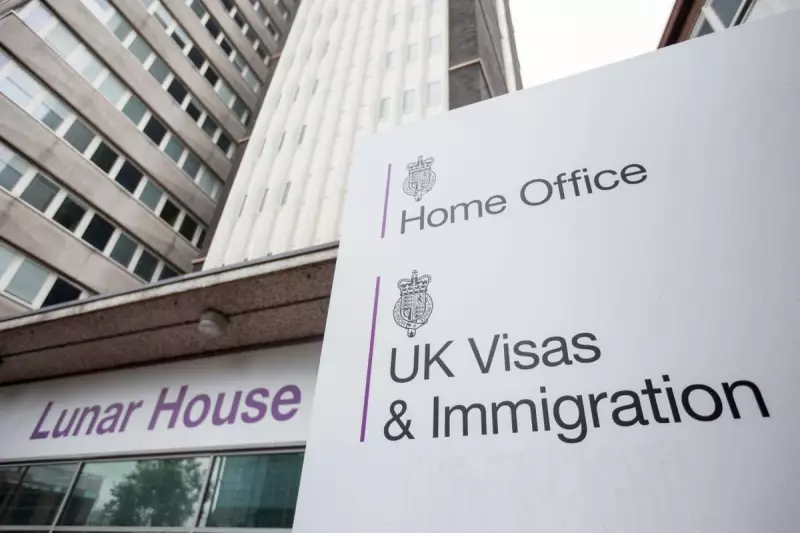
Enforcement action targeting illegal working in Britain has surged to its highest level on record, according to new government data released this week. The Home Office reports a dramatic increase in operations, resulting in thousands of arrests and business inspections.
Unprecedented Surge in Enforcement Activity
Recent figures show that 12,791 visits were made to businesses across the UK in 2025, a massive 57 per cent increase compared to the previous year. Officers targeted sectors known for potential non-compliance, including nail bars, takeaways, and restaurants.
Simultaneously, arrests for illegal working have skyrocketed. In 2025, authorities apprehended 8,971 individuals, marking a nearly 59 per cent rise and setting a new record since 2019. Home Secretary Shabana Mahmood stated that this represents the most intensive enforcement activity in British history, aimed squarely at disrupting illegal migrants operating in the black economy.
New Measures and Funding Announced
The government is backing this crackdown with significant new resources and stricter rules. A central pillar is £5 million in new funding specifically allocated for enforcement operations. This will support the deployment of body-worn cameras by immigration officers during raids and visits.
Furthermore, the regime for right-to-work checks on employees is being tightened considerably. Employers who fail to carry out proper checks will face substantially increased penalties. The message from the Home Office is clear: businesses must ensure their workforce is legally entitled to work, or face severe consequences.
"Nowhere to Hide" for Illegal Workers and Rogue Employers
Commenting on the record figures, Home Secretary Shabana Mahmood emphasised a zero-tolerance approach. The strategy is designed to create a hostile environment for both illegal workers and the employers who knowingly hire them. The government's stance is that there should be "nowhere to hide" for those undermining the legal labour market.
This aggressive posture forms a key part of the government's broader immigration and economic policy. By clamping down on illegal working, ministers aim to protect jobs for lawful residents, ensure fair wages, and tackle exploitation. The record numbers from 2025 signal a decisive shift towards more assertive, on-the-ground enforcement across the country.