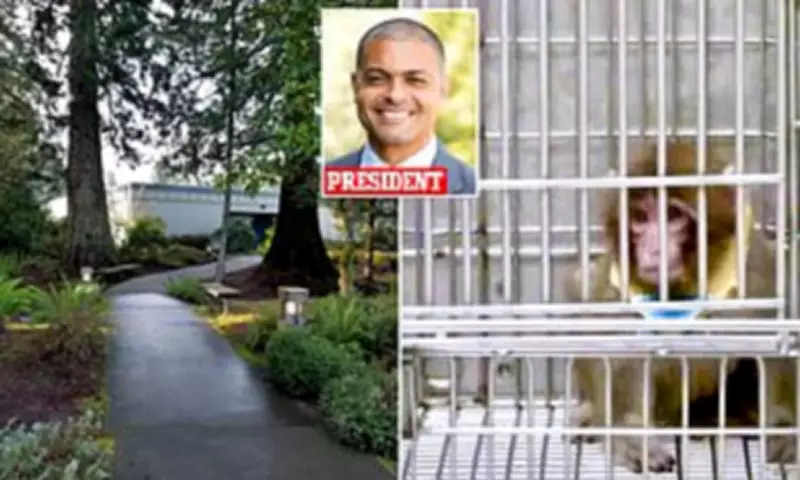
Oregon Health and Science University (OHSU) has initiated discussions regarding the future of the Oregon National Primate Research Center (ONPRC) in Hillsboro, a facility that has long been a focal point of controversy due to its use of monkeys in research. The center, which houses approximately 5,000 monkeys and employs 267 staff, is the largest of seven federally supported primate research centers in the United States.
Background and Backlash
Animal rights organizations, including People for the Ethical Treatment of Animals (PETA), have campaigned for years to shut down the center, citing allegations of animal cruelty and torture. PETA Senior Vice President Kathy Guillermo described the experiments conducted at the facility as "more the stuff of nightmare than the stuff of science." The organization highlighted specific studies, such as one that separated young monkeys from their mothers to induce fear, and another involving nicotine injections or surgical implantation of nicotine pouches. PETA also noted that experimenters had deviated from approved protocols, causing additional pain and distress to the animals.
Pressure from Lawmakers and Advocates
Following a vote in February by the OHSU board, President Dr. Shereef Elnahal was urged to convert the center into a sanctuary for monkeys. However, Elnahal stated that such a transition would only proceed if fully funded, estimating costs between $220 million and $290 million, and emphasized that no deal would occur without federal funding from Congress. PETA, while celebrating the vote as a "colossal win for monkeys and science," argued that OHSU, which has profited from the monkeys for decades, should fund the sanctuary rather than relying on government money.

Support for Continued Research
In contrast, a newly formed nonprofit group, Oregon Voices for Biomedical Research, launched the "Save Science Oregon" campaign to advocate for the continuation of research at the center. Spokesperson Diana Gordon stated that the group aims to correct misinformation and defend the medical advancements facilitated by the research, which includes studies on vaccines, infectious diseases, neuroscience, reproductive health, and aging. Gordon noted that while they look forward to a future without animal testing, current alternatives are insufficient.
Federal and Institutional Shifts
The National Institutes of Health (NIH), the center's largest benefactor, announced in April a new initiative to focus more on human-based research technologies. NIH Director Dr. Jay Bhattacharya described this as "ushering in a new era of innovation" that will accelerate improvements in healthcare. Guillermo called the NIH's announcement a "good start" but criticized the pace of change, arguing that the center should have been closed years ago.
Employee Concerns and Future Outlook
Employees at the center are increasingly anxious about their jobs and research. Molly Shallman, a union-represented researcher, reported "growing stress" among staff and accused the center of misleading communications. Elnahal acknowledged sparse communication but stressed the need for sensitivity during negotiations. Discussions are expected to continue until August, with any final agreement to be made public. If transformed into a sanctuary, research would be restricted, new breeding would halt, and animal studies would be limited, while existing research could continue.
PETA noted that the center houses 5,403 monkeys as of 2023 and received approximately $335 million in government funding in fiscal year 2023. Guillermo urged OHSU to consider the stance of Health and Human Services Secretary Robert F. Kennedy Jr., who has publicly supported closing primate centers and transitioning them into sanctuaries.