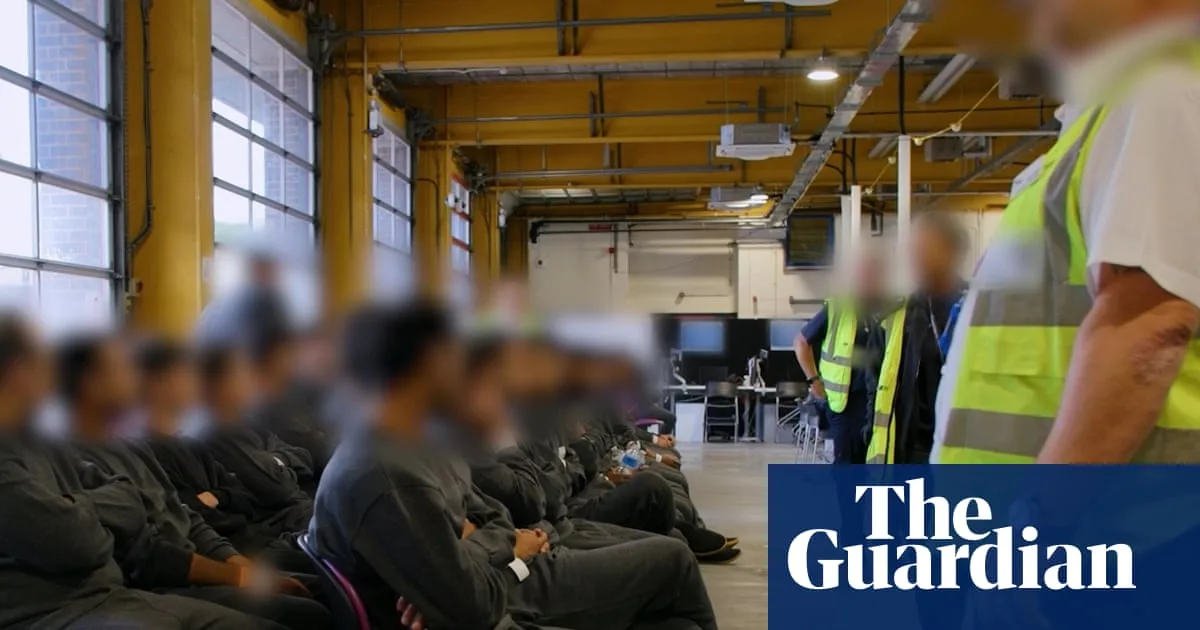
The Home Office has introduced new powers to seize mobile phones and SIM cards from asylum seekers arriving via small boats without an arrest, sparking condemnation from campaigners and legal experts. From Monday, individuals processed at Manston centre in Kent may be subjected to electronic device searches, with on-site technology to download data. Officials can also search inside detainees' mouths for hidden devices, though it remains unclear if children will be included.
Natasha Tsangarides of Freedom from Torture described the measures as 'profoundly inhumane', arguing that applying them indiscriminately treats all refugees as security threats. Solicitor Jonah Mendelsohn questioned compliance with a 2022 High Court ruling, noting the lack of independent oversight to ensure fairness. He warned against blanket searches, risking a repeat of previous legal failures.
The powers, part of the Border Security, Asylum and Immigration Act, aim to gather intelligence on smuggling networks. Borders minister Alex Norris stated they will 'intercept, disrupt and dismantle these vile gangs'. Meanwhile, Prime Minister Keir Starmer pledged to accelerate the closure of asylum hotels, with evidence expected in coming months.
In 2025, 41,472 migrants crossed the Channel, a 13% increase on 2024 and the second highest annual figure on record. The government plans to send the first group of asylum seekers to a military site in East Sussex within weeks.