The state of Minnesota has launched a major legal challenge against the federal government, seeking an immediate end to a controversial surge of Immigration and Customs Enforcement (ICE) agents on its soil. The move follows escalating tensions, including the fatal shooting of a Minneapolis resident by an ICE officer and widespread community protests.
A "Federal Invasion" and a Fatal Incident
Minnesota Attorney General Keith Ellison announced the lawsuit against the US Department of Homeland Security on Monday, 12 January 2026. He condemned the increased federal presence as a "federal invasion of the Twin Cities" that has forced local schools to shut down and businesses to close.
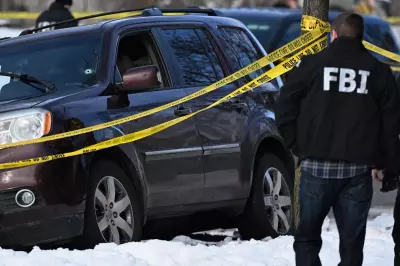
The legal action comes directly in the wake of a deadly encounter last week, where an ICE agent fatally shot Minneapolis resident Renee Nicole Good while she was behind the wheel of her vehicle. This incident has ignited significant public outrage and demonstrations across the city.
Allegations of Unconstitutional Conduct
In a strongly-worded press conference, Ellison argued that the surge of federal agents has made communities less safe. He criticised the ICE personnel as poorly trained, contrasting them with local Minneapolis police officers.
Ellison revealed that local police have had to respond to 20 separate instances involving what appeared to be the abduction of Minneapolis residents by ICE agents. He accused the federal officers of making unconstitutional arrests and employing excessive force.
"They're making unconstitutional arrests and using excessive force," Ellison stated. "This has to stop. Let's be clear; this should have never started."
Political Motivations and Community Clash
The Attorney General suggested that the Trump administration's focus on Minnesota is driven by political bias. "Donald Trump doesn't seem to like our state very much," Ellison added, framing the aggressive enforcement operation as politically motivated.
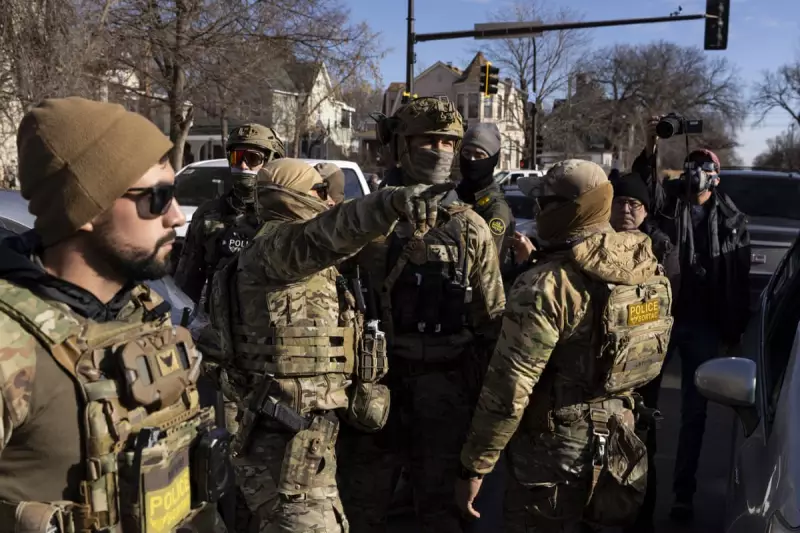
The ongoing raids have led to direct physical clashes between federal agents and community members in Minneapolis, as captured in photographs from 12 January 2026. The state's lawsuit now represents a formal, high-stakes attempt to force a withdrawal of the extra federal agents and halt the current enforcement tactics.
The outcome of this legal battle could set a significant precedent for state-federal relations regarding immigration enforcement in the United States.