Minnesota Agents Defy Trump's Immigration Order, Sparking Constitutional Crisis
Minnesota agents refuse Trump's immigration directive

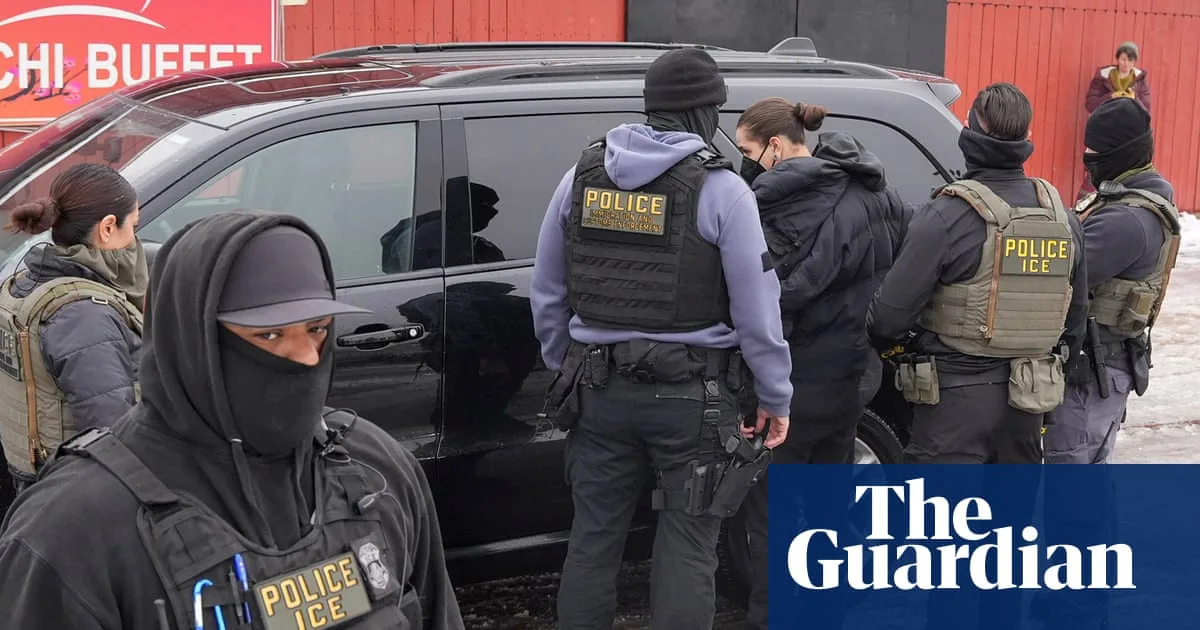
In a dramatic act of defiance that threatens to escalate into a full-blown constitutional crisis, a group of federal immigration agents in the US state of Minnesota has publicly refused to carry out a sweeping new executive order issued by President Donald Trump.

A Direct Challenge to Presidential Authority

The agents, whose identities have not been fully disclosed, stated their refusal is based on a profound belief that the order violates the United States Constitution. This represents one of the most significant internal rebellions within a federal enforcement agency during Trump's presidency. The specific details of the contested order, signed on January 5th, 2026, involve a major expansion of immigration enforcement powers, granting agents unprecedented authority that the Minnesota officers argue infringes upon fundamental rights.

This is not a simple policy disagreement but a direct challenge to the chain of command. The agents have taken the extraordinary step of stating they will not follow directives they deem unlawful, invoking their oath to uphold the Constitution above orders from the executive branch. The standoff centres on the legality of the president's actions and the limits of federal power.

Legal Precedents and Immediate Fallout

Legal experts are swiftly weighing in, noting that while government employees have a duty to follow lawful orders, they also have a responsibility to refuse those that are clearly illegal. This incident draws immediate parallels to historical moments of bureaucratic resistance but is remarkable for its public and coordinated nature within a domestic law enforcement body.

The immediate consequence has been a operational freeze on certain immigration enforcement activities within the agents' jurisdiction in Minnesota. This has created a patchwork of enforcement, confusing communities and local law enforcement partners. The White House and the Department of Homeland Security are now faced with a critical decision: to discipline or remove the agents, which could provoke further backlash and legal challenges, or to seek a negotiated solution.

The rebellion has sparked intense debate across the political spectrum, with supporters hailing the agents as heroes defending the rule of law, and critics condemning them as insubordinate bureaucrats undermining democratically enacted policies. Advocacy groups on all sides of the immigration debate are mobilising, anticipating that the outcome in Minnesota could set a national precedent.

A Nation Watching Minnesota

This confrontation places Minnesota at the epicentre of a national struggle over the scope of presidential authority and the role of individual conscience within government institutions. The state has become a testing ground for the resilience of constitutional checks and balances in a deeply polarised era.

The coming days will be crucial. The Department of Justice will likely be pressed to issue a legal opinion on the order's constitutionality. Congressional committees may call for hearings. Meanwhile, the agents in Minnesota remain at their posts, having drawn a line in the sand. Their continued defiance signals a potential wave of similar resistance in other states if the administration pushes forward without compromise or judicial review.

Ultimately, this standoff in the American Midwest is about more than a single immigration directive. It is a stark illustration of the deepening fissures within the United States government itself, where the very interpretation of law and duty has become a battleground. The resolution, whether through courts, political pressure, or administrative action, will have lasting implications for the balance of power in Washington and the future of federal enforcement nationwide.




