Minneapolis Descends into Chaos Amid Federal Immigration Crackdown
The city of Minneapolis is currently engulfed in a state of profound chaos and destabilisation, with residents reporting that daily life has been upended in ways that feel unprecedented. This turmoil stems directly from the aggressive federal immigration enforcement actions that have flooded the region in recent weeks, leading to fatal consequences and widespread disruption across the community.
Fatal Shootings and Escalating Tensions
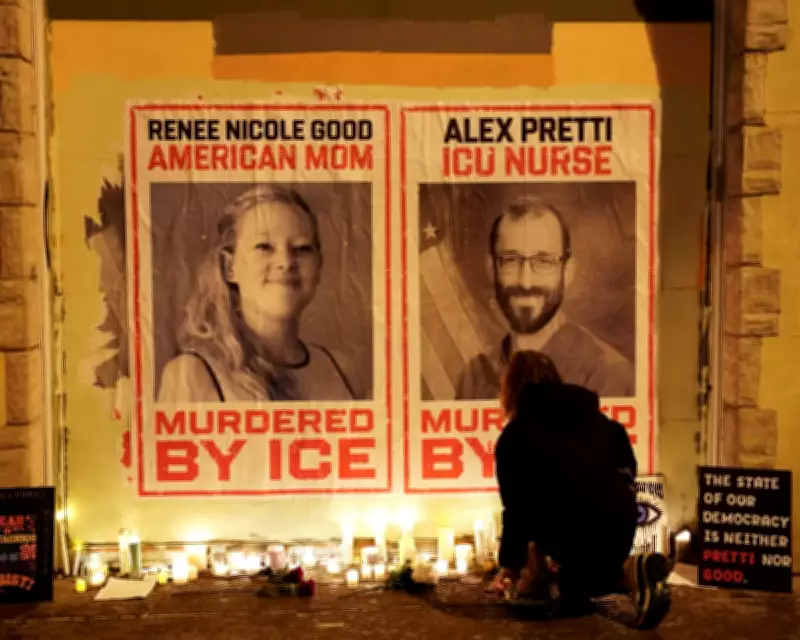
Since the initiation of "Operation Metro Surge" in December, the president's expanded immigration force has been responsible for two deaths within the Minneapolis metropolitan area. The first victim was Renee Nicole Good, who was shot in the face by an Immigration and Customs Enforcement agent. Nearly three weeks later, on 24 January, armed federal authorities killed Alex Pretti, a 37-year-old Veterans Affairs nurse. Witnesses report that Pretti was attempting to intervene after observing agents treating another individual harshly.
Multiple witnesses have characterised Pretti's killing as sudden and entirely unnecessary. Congresswoman Ilhan Omar, who represents Minneapolis, stated that this incident "appears to be an execution by immigration enforcement." Minnesota State Senator Omar Fateh employed identical language, underscoring the severity of the situation. Pretti, along with Good and Los Angeles resident Keith Porter Jr, have all lost their lives due to ICE actions within the past month alone.
Widespread Community Disruption
The impact of these federal operations extends far beyond these tragic deaths. Schools across Minneapolis have reported significant attendance drops, while numerous businesses have either shuttered completely or drastically reduced their operating hours. Many residents now actively avoid public spaces, creating a climate of fear and apprehension throughout the city.
Civil rights organisations assert that federal agents have effectively turned daily life into an occupation, appearing unexpectedly at schools, places of worship, and even grocery stores. Detentions have occurred at traffic lights and bus stops, with federal authorities reportedly detaining at least two children from families seeking legal asylum. In one particularly disturbing incident, five-year-old Liam Ramos was allegedly used as bait to lure his family outside, resulting in his father's apprehension. A two-year-old girl was also detained.
Local Government and Public Services Undermined
The disruption has profoundly affected the operation of local government and essential services. Minneapolis Police Chief Brian O'Hara has warned that ICE's tactics are "obviously not safe," complicating local policing efforts and public safety coordination. A suburban police chief separately complained that ICE officers were stopping off-duty officers of colour, further straining community relations.
Hospital workers informed the New York Times that agents were "barging into patient care areas trying to question or detain patients," compromising medical confidentiality and care standards. Employers report sudden labour shortages, while mutual-aid networks have been forced to replace everyday services to help immigrant families obtain groceries and medicine without fear of capture.
Rhetoric Translated into State Power
The situation in Minnesota provides stark evidence that racist ideas inevitably lead to racist policies, which in turn produce dangerous and ineffective governance that affects all citizens. Minneapolis hosts the largest Somali population in the United States, and President Trump has repeatedly targeted this community with inflammatory rhetoric. He has referred to Somali immigrants as "garbage," labelled Somalia a "shithole country," and recently suggested that Somalis "destroyed" Minnesota.
His administration has moved to roll back temporary protections for Somalis and weaponised sensationalised claims about Somali-run daycare centres to justify the federal surge. Trump has additionally described migrants as "animals" and claimed they are "poisoning the blood" of the nation, while his administration targets cities with substantial Black, Latino, Asian, and Indigenous populations.
Democratic Institutions Under Strain
The line between immigration enforcement and electoral coercion appears to be collapsing in real time. In a letter released this week, Attorney General Pam Bondi warned Minnesota officials that federal operations would continue unless the state surrendered voter-registration data. This represents a deeply concerning convergence of immigration policy and electoral politics that threatens democratic stability.
Historical patterns demonstrate that racial grievance has repeatedly served as American statecraft, fracturing democratic coalitions and translating prejudice into policy. From Reconstruction-era segregation laws to the Southern Strategy and the war on drugs, grievance politics has proven institutionally incompetent while causing profound social harm.
Economic and Political Consequences
New analysis by Ohio State University political scientist Tom Wood reveals that in 2024, lower-income white voters were more likely to support Trump than wealthier whites, marking a historic reversal of class-based voting patterns. This indicates that grievance now outperforms material self-interest in American elections, with governance paying the price for this shift.
A year into Trump's second presidency, the human and economic toll is becoming increasingly apparent. A Guardian analysis of his first year back in office shows immigration enforcement surged while job growth softened and household electricity prices rose despite campaign promises. Approval ratings have slipped, even among Republican voters, suggesting growing public awareness of the consequences.
By operationalising bigotry, this administration is not enhancing national safety but rather diminishing the country's moral and social fabric. The Minneapolis experience demonstrates that grievance governance corrodes the state itself, proving that hatred cannot effectively govern a nation. As the community sifts through the rubble of these policies, resistance and reconstruction emerge as inseparable necessities for a democracy under severe strain.