
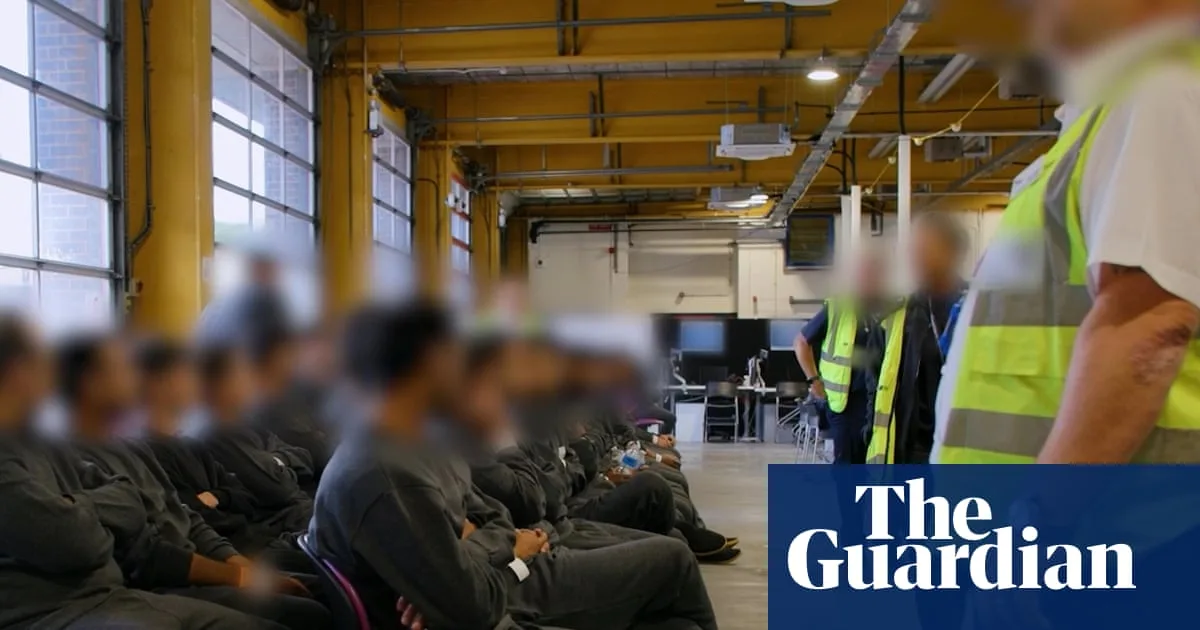
The UK government has started seizing mobile phones and SIM cards from asylum seekers arriving by small boat at the Manston processing centre in Kent, without requiring an arrest. The new powers, which came into effect on Monday, allow officials to search electronic devices and download data using on-site technology. Searches may also include examining detainees’ mouths for hidden devices, though it remains unclear if children will be subjected to such checks.
The measures, part of the Border Security, Asylum and Immigration Act passed in December, aim to gather intelligence on smuggling networks. Borders minister Alex Norris stated the laws were designed to “intercept, disrupt and dismantle these vile gangs.” However, campaigners and legal experts have condemned the policy as inhumane and potentially unlawful.
Natasha Tsangarides of Freedom from Torture described the searches as “profoundly inhumane,” particularly for traumatised survivors of Channel crossings. Solicitor Jonah Mendelsohn questioned whether the plan complies with a 2022 High Court ruling, noting the absence of independent oversight to ensure searches are fair and legal. He warned that blanket searches risk repeating past failures identified by the courts.
Prime Minister Keir Starmer has signalled his intention to close asylum hotels in the coming months, as part of efforts to address unauthorised immigration. The Home Office is also reportedly preparing to house asylum seekers at a military site in East Sussex. In 2025, 41,472 migrants crossed the Channel, the second highest annual total on record, with Reform UK gaining in opinion polls.




