First Lady's Influence Shapes Immigration Policy Shift
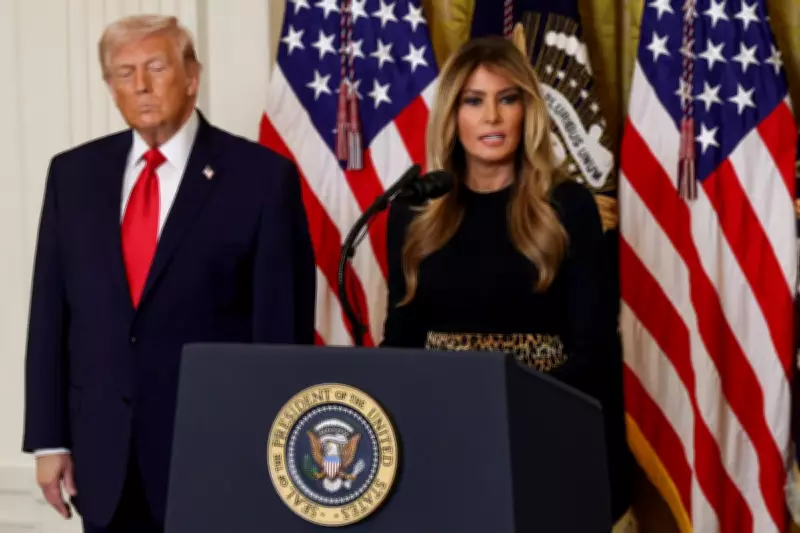
First Lady Melania Trump played a significant behind-the-scenes role in convincing President Donald Trump to reassess his administration's aggressive illegal immigration crackdown, according to a new report from The Wall Street Journal. The policy reevaluation comes in the wake of Operation Metro Surge in Minneapolis, a disastrous federal immigration enforcement operation that resulted in the deaths of two American citizens and sparked widespread public outrage.
Minneapolis Operation Proves Turning Point
The January immigration surge in Minneapolis marked a critical turning point for the administration's enforcement approach. Immigration and Customs Enforcement agents, alongside other federal agencies, conducted widespread operations in the Democrat-led city that culminated in violent clashes with protesters. The tragic deaths of two individuals during these confrontations created a substantial political backlash that reached the highest levels of the White House.
Homeland Security Secretary Kristi Noem initially described the victims, Renee Good and Alex Pretti, as "domestic terrorists" before holding emergency crisis talks with President Trump. Despite initially appearing to retain her position following these discussions, Noem was ultimately dismissed earlier this month amid mounting pressure over the Minneapolis operation's fallout.

White House Recalibrates Enforcement Strategy
President Trump reportedly convened his top advisers, including the First Lady, to address the torrent of negative headlines generated by Noem's Department of Homeland Security. During these crucial discussions, the president expressed concern that voters had grown to oppose the term "mass deportation" and advocated for a renewed focus on targeting criminal elements rather than creating widespread chaos through aggressive enforcement tactics.
White House Chief of Staff Susie Wiles is now leading the policy revamp, having become increasingly concerned that immigration enforcement, once a winning political issue for the administration, had transformed into a significant liability ahead of the upcoming midterm elections. The recalibration aims to lower the program's public profile while maintaining enforcement priorities.
New Enforcement Priorities Emerge
Border czar Tom Homan, who was originally drafted to restore order and ultimately withdraw federal forces from Minnesota, is reportedly spearheading the new emphasis on what officials describe as "bread-and-butter arrests of criminals." This represents a substantial shift from the aggressive catch-all approach implemented under former Border Patrol commander Greg Bovino, who was stood down and returned to California following the Minneapolis fatalities.
The previous enforcement strategy was heavily influenced by immigration hard-liner Stephen Miller, who reportedly demanded 3,000 daily detentions to meet an ambitious target of one million deportations for 2025. The Department of Homeland Security failed to approach this goal, with current arrest numbers standing at approximately 1,200 daily according to The Wall Street Journal, down from 1,500 at the height of Operation Metro Surge.
Administration Maintains Public Stance
White House spokeswoman Abigail Jackson has publicly denied that the policy reassessment represents any fundamental shift in the administration's immigration enforcement agenda. In an official statement, Jackson emphasized that "Nobody is changing the administration's immigration enforcement agenda. President Trump's highest priority has always been the deportation of illegal alien criminals who endanger American communities."
Confirmation Battle for New DHS Secretary
This week, the president's nominee to replace Kristi Noem, Oklahoma Republican Senator Markwayne Mullin, endured a difficult confirmation hearing before the Senate Homeland Security Committee. Mullin faced intense scrutiny over past comments mocking Kentucky Republican Senator Rand Paul, who chairs the committee and was brutally assaulted by a neighbor in 2017.

The confrontation between Mullin and Paul grew heated, with the Kentucky senator ultimately voting against the nominee's confirmation. Controversial Democratic Senator John Fetterman reportedly intervened to support Mullin's candidacy, with a full Senate vote on confirmation expected early next week where Mullin is anticipated to narrowly prevail.
During his committee appearance, Mullin pledged to run the Department of Homeland Security with greater cooperation with local law enforcement than occurred during Noem's tenure. He promised fewer clashes with activists, a reversal of the controversial no-warrant entry policy for agents, and asserted that he would lead the department independently rather than under Stephen Miller's direction.