Indigenous Student Wins Legal Battle Over Cultural Hair at BYU
Indigenous Student Wins Hair Battle at BYU

Indigenous Student Triumphs in Legal Fight Over Cultural Hair at BYU

In a significant victory for cultural expression, a Utah college student who refused demands to cut his hair has prevailed after filing a federal lawsuit against his university. Jerrhan First Charger took legal action against Brigham Young University (BYU) in Provo after school leadership threatened to remove him from classes and suspend him from the dance team due to his long locks, according to court documents filed on March 19.

Cultural Significance and Tribal Support

First Charger, a member of the Kainai Nation of the Blackfoot Confederacy tribe, is a champion Indigenous hoop and fancy feather dancer who was invited to join the prestigious BYU Legends dance team. He has maintained traditional braids throughout his entire life, describing them as a sacred expression of his culture that "holds memories of who we are." In a heartfelt letter to the school, the student emphasized the deep personal and ancestral connections embodied by his hair.

The private university, which is owned by The Church of Jesus Christ of Latter-day Saints, received multiple letters of support for First Charger. These included endorsements from the chief and council of his tribe, as well as his mother, Meghan. Each advocate strongly affirmed that his long hair is an integral part of his Indigenous heritage and should be respected by the institution, particularly given the dance team's mission to celebrate diverse traditions and backgrounds.

Wide Pickt banner — collaborative shopping lists app for Telegram, phone mockup with grocery list

Clash with University Honor Code

Despite this support, BYU officials initially insisted that First Charger's hair violated the university's strict Honor Code. This code mandates that male students keep their hair "neatly trimmed," prohibits beards, requires abstinence from premarital sex, and forbids the consumption of alcohol, coffee, and tobacco. The administration argued that these grooming standards were non-negotiable and essential to the school's religious mission.

Faced with potential suspension and removal from the dance team, First Charger felt he had no alternative but to pursue legal recourse. His legal team sent a final letter to the university outlining their intent to file a lawsuit, seek a restraining order, and demand $2.3 million in damages for emotional distress. "We trust BYU understands the significant legal, financial and reputational exposure this litigation presents," the letter stated, according to exhibits in the complaint.

Resolution and University Response

The school, however, remained silent until after the lawsuit was formally initiated. Following legal pressure, BYU abruptly changed its position and decided to resolve the case. As reported by The Salt Lake Tribune, university officials granted First Charger a rare exception based on his tribal identity, allowing him to continue his studies and his participation in the BYU Living Legends dance team.

In a statement issued after the resolution, the university commented: "First Charger will continue his studies at BYU and his participation in the BYU Living Legends dance team. Both parties are grateful for the opportunity to resolve this matter. The university’s Honor Code, including its dress and grooming standards, reflects BYU’s mission and remains in effect. We also recognize on a case-by-case basis there might be rare exceptions."

Historical Context and Broader Implications

First Charger's case is not an isolated incident at BYU. In his communications with the school, he referenced Michael Rafael Williamson Tabango, who filed a federal complaint in 2018 after disputing with university officials over his traditional long hair. Tabango, a member of Ecuador's Otavalo tribe, ultimately received an exception after media attention forced the issue into the public eye.

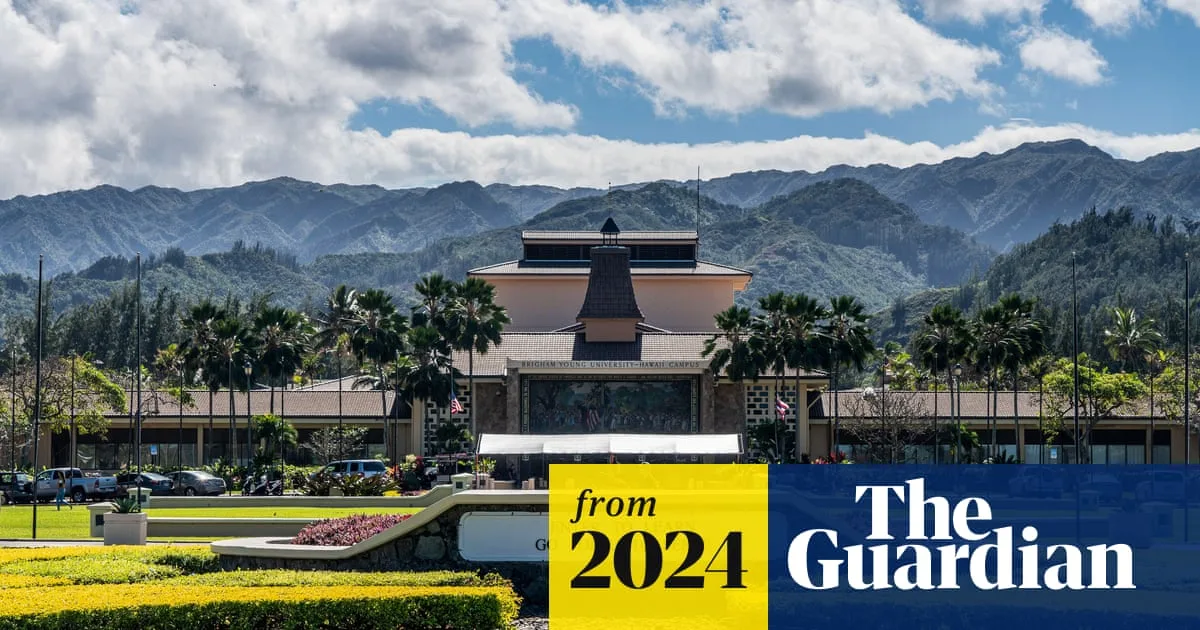
Similarly, another student, Kanaan Vyshonne Barton, who attends BYU's Hawaii campus, fought to keep his hair in 2024 after a security guard warned him that his shoulder-length locks violated the dress code. First Charger expressed hope that his situation could be resolved privately, without the need for public confrontation, but found that legal action was necessary to protect his cultural rights.

Pickt after-article banner — collaborative shopping lists app with family illustration

Throughout the ordeal, First Charger made it clear that his motivation was not rebellion but rather a desire to foster inclusivity. "I am trying to help BYU and the church become more worldwide, and not another church trying to take away culture from God's children," he wrote in a letter to the school's board of trustees. He also noted that he had been assured by University President Shane Reese during a meeting that he could keep his long hair, only to have that assurance revoked at the start of the semester.

This legal victory underscores the ongoing tensions between institutional policies and cultural diversity, highlighting the importance of accommodating religious and ethnic traditions within educational settings.