Labour's Migration Overhaul: Mahmood Unveils Plan to Stop Small Boats
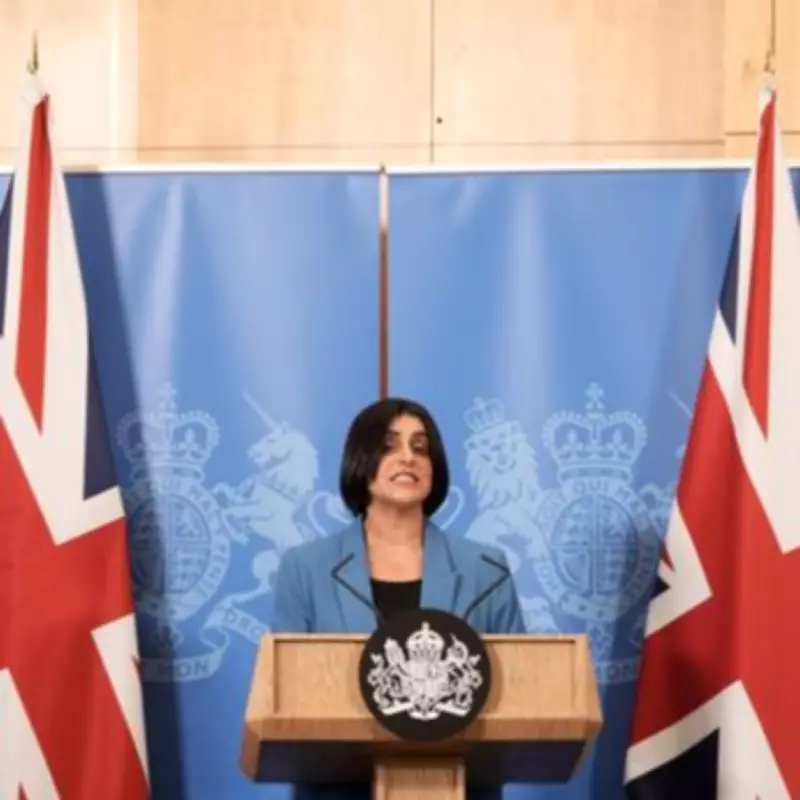
In a landmark speech delivered in London, Home Secretary Shabana Mahmood has set out Labour's controversial vision for a sweeping shake-up of the UK's asylum and migration system. The proposals aim to address the persistent issue of small boat crossings, which Mahmood described as a sign of state failure, while positioning Labour as a humane alternative to the hard-right policies advocated by figures like Nigel Farage.
Warning Against Farage's 'Nightmare'
Mahmood issued a stark warning during her address, arguing that failure to secure the UK's borders could pave the way for a Nigel Farage-led "nightmare." She emphasized that if the left does not take decisive action, the hard right will be given an opportunity to implement draconian measures. "If the left does not secure our borders, the hard right will be given the chance to try, and they will not be restrained by values like ours," she stated. Mahmood painted a grim picture of Reform's proposals, suggesting they could lead to mass deportations, including of long-term legal residents, separated from their families and sent to unsafe countries.
Key Reforms Announced
The Home Secretary unveiled a series of measures designed to overhaul the current system:
- Payments for Voluntary Returns: A new pilot program will offer payments of up to £10,000 per person, or £40,000 per family, to asylum seekers who cooperate with voluntary removal. Officials estimate this could save up to £20 million annually, mirroring successful models in Denmark where 95% of removals are voluntary.
- Temporary Refugee Status: Asylum seekers will now receive refugee status as temporary protection, subject to reviews every 30 months. This replaces the previous five-year grant, with the possibility of forced return if their home country is deemed safe. Human rights groups have criticized this as creating uncertainty for those fleeing persecution.
- Indefinite Leave to Remain Shake-up: The standard wait for permanent settlement will be doubled from five to ten years, with exceptions for high earners, NHS staff, and volunteers. Penalties include extra years for claiming benefits or arriving illegally, with small boat arrivals facing up to 20 additional years, potentially leading to a 30-year wait.
- New Safe and Legal Routes: Starting autumn 2027, new routes will be opened, including a student refugee route, with plans for work routes and expanded community sponsorship to follow.
- Emergency Visa Brake: Visas for nationals from Afghanistan, Cameroon, Myanmar, and Sudan have been paused due to concerns over asylum claims, with visit visas imposed on Nicaragua and Saint Lucia to prevent backdoor entries.
Fast-Tracking and Penalties
Under the proposals, certain groups will be fast-tracked for settlement. High earners paying the top tax rate could qualify after three years, while those on global talent visas may also see reduced waits. Volunteering in local communities can shave three to five years off the qualifying time. Conversely, penalties include:
- Extra years for claiming benefits: five additional years for less than 12 months of claims, and ten years for more than a year.
- Support removal for those eligible to work but choosing not to, denying housing and benefits.
- New grounds for refusal, requiring no criminal record, A-level English proficiency, no debt, and at least three years of National Insurance payments.
Labour Values and Criticism
Mahmood defended the plans as consistent with Labour values of fairness, equality, and decency, invoking her own family's migration story. She criticized the "fairy tale of open borders" from the Greens and contrasted it with Farage's "nightmare." However, refugee advocates like Enver Solomon of the Refugee Council warned that the proposals risk trapping people in decades of instability, while Allan Njanji of Asylum Matters called it a "dark day" that will penalize refugees.
The Home Secretary concluded by emphasizing that these measures are intended to discourage illegal crossings while maintaining humanity, but the reforms have sparked significant debate over their impact on vulnerable individuals and the future of UK migration policy.