Xinjiang Camp Survivor Details Horrors: Electric Shocks, Gang Rapes, and Torture
Xinjiang Camp Survivor Details Horrors of Chinese Detention

Xinjiang Camp Survivor Details Horrors: Electric Shocks, Gang Rapes, and Torture

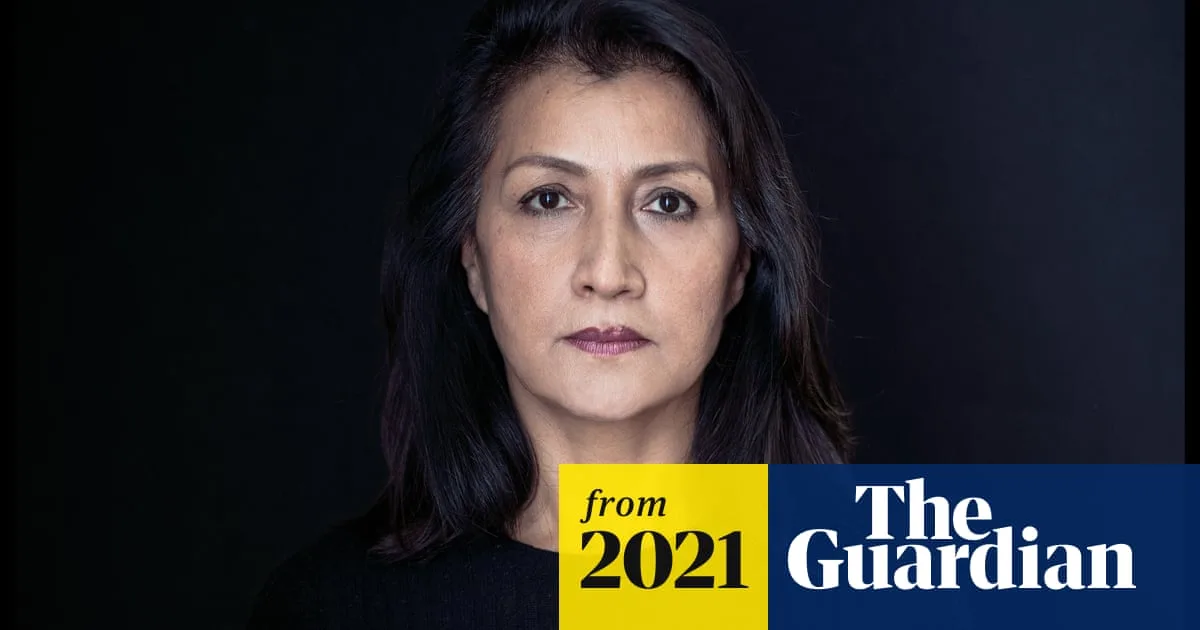
The physical wounds inflicted upon Dr Sayragul Sauytbay by Chinese authorities may have healed, but the psychological trauma from her year-long detention in Xinjiang's internment camps will persist throughout her lifetime. The ethnic Kazakh-Chinese national, now in her late forties, endured unimaginable brutality after being forcibly taken by Communist guards and compelled to work as a language instructor within the camp's oppressive confines.

A Descent into Hell

Sauytbay repeatedly broke down while recounting her eight-month ordeal, describing an existence where inmates resembled zombies from horror films, women faced merciless gang-rape, and agonized screams echoed from a torture chamber known as the Black Room. In this chamber, tools were systematically arranged to inflict maximum pain, with prisoners subjected to fingernail extraction and forced to sit on chairs embedded with upward-facing nails.

The mother of two did not escape punishment herself. She was electroshocked in an electric chair and beaten unconscious for showing sympathy to a terrified elderly detainee. Sauytbay identifies the camp's location as within the Ili Kazakh Autonomous Prefecture in northwest China, operating as part of China's network of so-called "re-education" or "vocational training" centers.

Systematic Suppression and Indoctrination

According to Sauytbay, the camp's primary purpose was political indoctrination and forced assimilation of ethnic minorities—predominantly Kazakhs and Uyghurs—through mandatory Mandarin instruction, Communist Party ideology classes, and strict discipline designed to suppress religious and cultural practices, rather than providing genuine vocational education.

Established in 2017, Xinjiang's camps have been utilized to subjugate approximately one million people, many detained without formal charges. This represents the largest-scale arbitrary detention of ethnic and religious minorities since World War II, drawing disturbing parallels to historical atrocities.

Arbitrary Detention and Torture

In the months preceding her detention, Sauytbay experienced profound fear as she witnessed friends and neighbors being taken by Chinese state agents. She began receiving nighttime interrogation visits in January 2017, creating severe sleep deprivation. By this time, her husband and children had fled to Kazakhstan, leaving her vulnerable.

After several months of harassment, armed officers finally abducted her in November 2017. They placed a black bag over her head, transported her in a van through multiple checkpoints, and forced her to sign an agreement vowing silence about camp activities. Although technically employed as a language instructor, she was held against her will under conditions identical to other detainees, eating the same food and obeying the same orders.

The Black Room and Systematic Abuse

Sauytbay described hearing blood-curdling screams from the Black Room—chambers without surveillance cameras where prisoners faced torture for minor infractions. Many emerged covered in blood, while others disappeared entirely. Her own torture occurred after comforting an elderly Kazakh woman who had been detained without explanation during winter.

"They shocked me in an electric chair," Sauytbay recounted. "Then they began to beat me until I lost consciousness. While being tortured, I believed I would die, thinking only of my two children." Despite her injuries, she was forced to resume teaching immediately afterward.

Sexual Violence as Control Mechanism

The abuse extended beyond torture chambers. Sauytbay witnessed approximately one hundred prisoners being forced to watch a young woman gang-raped by three guards as punishment for texting a friend on a religious holiday. Those who protested were immediately removed, suggesting the incident served as a compliance test.

"I've never witnessed anything more vile or inhumane," Sauytbay stated. "As a woman and mother, I felt horrified but helpless, knowing any reaction would lead to torture." She attributes ongoing health problems, including heart issues and insomnia, to this trauma.

Widespread Sexual Abuse Patterns

Other survivors have corroborated these accounts of systematic sexual abuse. Ruqiye Perhat, detained for four years in Xinjiang prisons, reported repeated rape by Chinese guards resulting in two forced abortions. Multiple women described being monitored in showers and toilets, while others endured pubic hair pulling with chewing gum or genital application of burning chili paste.

Sauytbay believes Chinese guards operated with complete impunity, receiving direct authorization from Beijing to treat detainees as subhuman. A 2019 open letter from a former guard named "Berik" supported these claims, describing designated areas for sexual abuse within camp facilities.

Escape and Ongoing Advocacy

After her release in 2018, Sauytbay faced threats of permanent imprisonment despite committing no crime, prompting her escape to Kazakhstan using false documents. She later received political asylum in Sweden, where she now resides with her family.

Currently serving as vice-president of the East Turkistan Government-in-Exile, Sauytbay advocates for Xinjiang's secession from China and accountability for the Chinese Communist Party's crimes. Reflecting on her experiences, she expressed shock at Western compassion: "We did not see even an ounce of the humanity that dogs and cats receive here."

Her health has deteriorated significantly since her detention, with Sauytbay noting she has aged over a decade physically. The camps continue operating under euphemistic labels like "counter extremism training centers," while China maintains they combat terrorism—a justification survivors like Sauytbay reject as covering calculated suppression of ethnic minorities in a resource-rich region China seeks to dominate completely.




