In a candid conversation over dinner, Louise and Darryl, two individuals with differing political perspectives, engaged in a deep discussion about immigration, fairness, and the future of UK politics. Their exchange highlights the complexities surrounding illegal migration and the potential impact of political alliances.
Introducing the Diners
Louise, a 52-year-old audio producer from Bristol, has shifted her voting allegiance from lifelong Labour to the Green Party in the last election. She brings a global perspective, having lived with her family in Cambodia for years before returning to the UK in 2021. Darryl, a 61-year-old retired local government manager from Hastings, has consistently voted Labour in general elections since 1983, though he occasionally casts protest votes in local elections.
The Setting and First Impressions
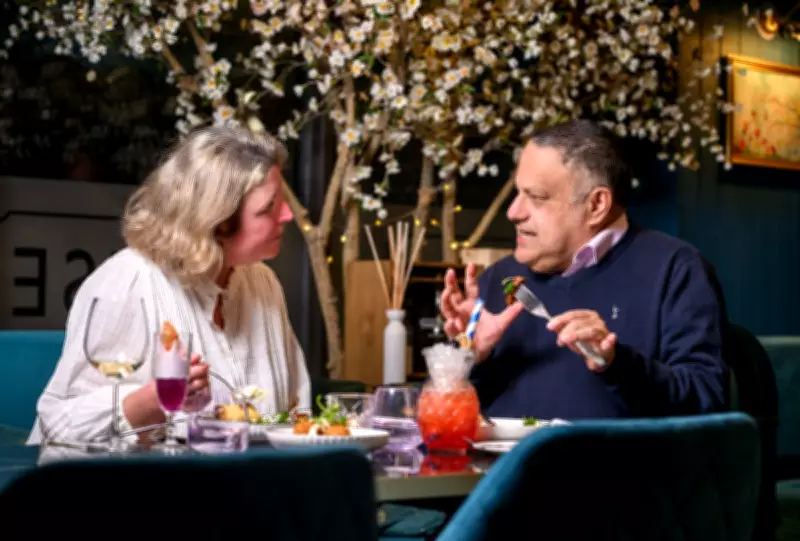
The pair met at Muse Brasserie in Bristol, where they enjoyed an Indian-British fusion meal. Darryl described Louise as bubbly and lively, while Louise found Darryl's kind face and slight shyness endearing. They shared dishes including a gruyere soufflé and mushroom croquettes, setting a congenial tone for their discussion.
The Core Debate: Immigration and Fairness
Darryl, who came to the UK from Kenya as a child during the exodus, emphasised the importance of fairness in immigration. He expressed frustration with illegal Channel crossings, stating, "It's just not fair for people to be able to get on to a boat and come over here, and then get in the queue to come into this country." He criticised the tendency to label all concerns about illegal migration as racist, arguing this approach doesn't facilitate productive dialogue.
Louise countered with a humanitarian perspective, advocating for more legal routes for asylum seekers. She argued, "I think if you're desperate enough to get on a boat and cross the Channel in November, you should be allowed in, I don't care who you are." While acknowledging Darryl's traditional British attitude toward queue-jumping, she stressed the need for expanded safe pathways for those fleeing danger.
Political Implications and Alliances
The conversation turned to the political landscape, with both expressing concern about a potential alliance between the Conservative Party and Reform UK. Darryl warned, "Unless we can reduce illegal migration, I don't think Labour stand a chance in three years." He criticised Green Party deputy leader Zack Polanski's ambition to replace Labour, calling it "a fit of spite."
Despite their differences, both agreed on the desirability of a progressive alliance between Labour and the Greens to counter the far right. Louise noted, "I do believe that the left should coagulate in order to keep out the far right," though she personally aligns more closely with Green Party values.
Broader Social Issues
Their discussion extended beyond immigration to topics like gender dynamics and toxic masculinity. Darryl emphasised the need to address perpetrator behaviour in cases of domestic violence, while Louise argued that stories about young men often dominate media attention at the expense of issues affecting women, such as reproductive rights.
Key Takeaways
Despite their divergent views, both participants valued the exchange. Darryl described the evening as "lovely to be in her company," while Louise found Darryl "softly spoken, very kind, a delight." Their conversation underscores the importance of civil discourse in addressing complex political and social issues.
The dialogue between Louise and Darryl reveals the nuanced positions within the UK's immigration debate, balancing concerns about fairness with calls for compassion and expanded legal pathways. As political tensions rise, such conversations highlight the need for pragmatic solutions that address both security and humanitarian imperatives.