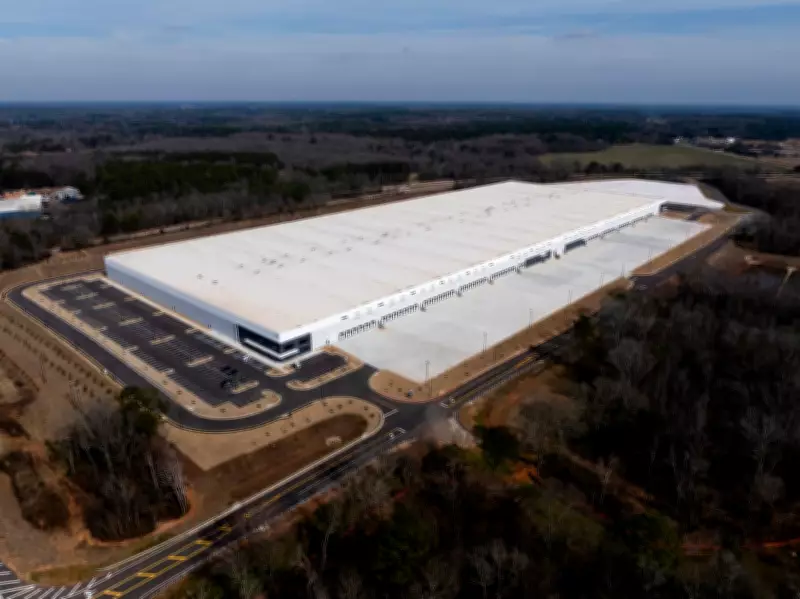
ICE Warehouses: DHS Expands Detention Network Amid Controversy
The Department of Homeland Security (DHS) is significantly expanding its network of Immigration and Customs Enforcement (ICE) warehouses and detention centres across the United States. This move comes as part of a broader strategy to manage increasing migrant flows, but it has ignited fierce debate over immigration enforcement practices and human rights implications.
Expansion of Detention Facilities
According to recent reports, DHS has been converting and constructing new facilities, often referred to as "ICE warehouses," to house detained immigrants. These centres are designed to accommodate a growing number of individuals awaiting immigration hearings or deportation proceedings. The expansion includes both temporary holding sites and longer-term detention centres, with some locations repurposed from commercial warehouses or other industrial buildings.
Officials argue that this expansion is necessary to address overcrowding in existing facilities and to ensure orderly processing of immigration cases. However, critics contend that the rapid growth of these detention centres raises serious concerns about living conditions, access to legal representation, and the psychological impact on detainees.
Human Rights and Policy Debates
The expansion has sparked widespread controversy, with human rights organisations and advocacy groups condemning the use of warehouse-style detention centres. They highlight issues such as inadequate medical care, poor sanitation, and reports of mistreatment within some facilities. Additionally, there are concerns about the prolonged detention of vulnerable populations, including families and children.
On the policy front, the move reflects ongoing tensions in US immigration strategy. Proponents of stricter enforcement view the expansion as a crucial step in maintaining border security and deterring illegal immigration. In contrast, opponents argue that it represents an inhumane approach that prioritises detention over alternatives like community-based supervision or asylum processing reforms.
Impact on Communities and Future Outlook
The presence of ICE warehouses has also stirred local debates in communities where these facilities are located. Some residents express support for the economic benefits and perceived security enhancements, while others raise objections based on ethical grounds and potential social disruptions.
Looking ahead, the expansion is likely to remain a contentious issue in US politics. With immigration policy being a key topic in national discourse, the future of these detention centres may hinge on legislative changes, court rulings, or shifts in administrative priorities. Stakeholders are calling for greater transparency and oversight to ensure that detention practices align with human rights standards.
In summary, the DHS's expansion of ICE warehouses and detention centres underscores the complex challenges of immigration management in the United States. As the network grows, it continues to fuel debates over security, humanity, and the direction of US immigration policy.