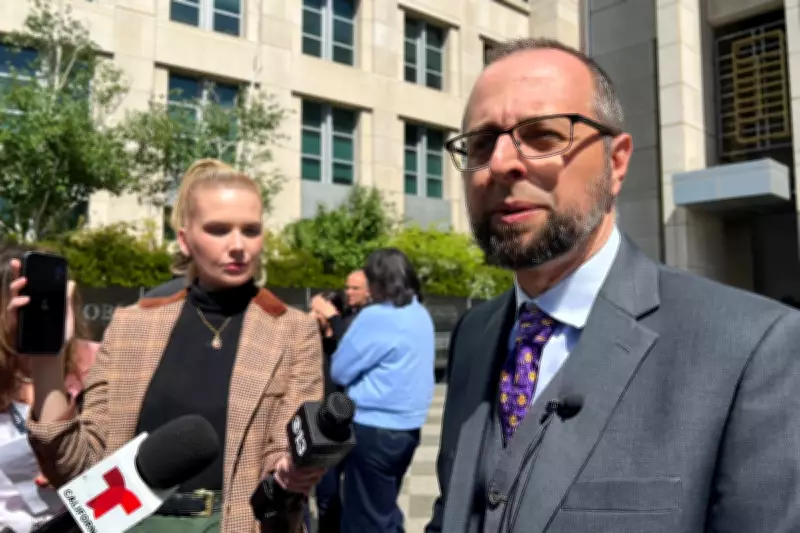
A judge in California has ordered that a man who sustained multiple gunshot wounds during an arrest by Immigration and Customs Enforcement (ICE) officers must remain in custody, citing significant concerns that he poses a flight risk. This decision follows a contentious incident in central California that has drawn scrutiny amid broader debates over immigration enforcement practices.
Details of the Arrest and Shooting
Carlos Ivan Mendoza Hernandez, a 36-year-old individual with dual citizenship from El Salvador and Mexico, was pulled over by ICE agents on April 7 in Patterson, a city located approximately 75 miles southeast of San Francisco. According to federal authorities, Mendoza is charged with assaulting a federal officer after allegedly striking an agent with his vehicle and then reversing into a law enforcement vehicle during the stop.
The Department of Homeland Security has stated that ICE officers fired defensive shots at Mendoza when he attempted to drive into them, resulting in multiple gunshot wounds that required several surgeries. However, Patrick Kolasinski, one of Mendoza's lawyers, has provided a contrasting account, asserting that Mendoza panicked and tried to flee when agents blocked his car, with no intention to harm anyone.

Disputed Claims and Legal Background
Kolasinski has also challenged official claims that Mendoza is a suspected gang member wanted in El Salvador for questioning in relation to a murder. Salvadoran court documents indicate that Mendoza was acquitted of murder charges in El Salvador, and he has consistently denied any gang affiliation, according to his legal representation.
This case is part of a series of shootings involving immigration officers that have occurred during the Trump administration's aggressive efforts to detain and deport immigrants residing in the country illegally. In several instances, video evidence has contradicted initial accounts provided by immigration officials, raising questions about the circumstances surrounding these incidents.
Ongoing Legal Proceedings
Mendoza's next court appearance is scheduled for early May, where further developments in the case are expected to be addressed. The ruling to keep him in custody underscores the legal complexities and heightened tensions in immigration enforcement operations, particularly in regions like central California where such encounters have sparked public and legal debate.
As the case progresses, it highlights ongoing issues related to transparency, accountability, and the treatment of individuals involved in immigration-related altercations, with advocates and officials closely monitoring the outcomes.