
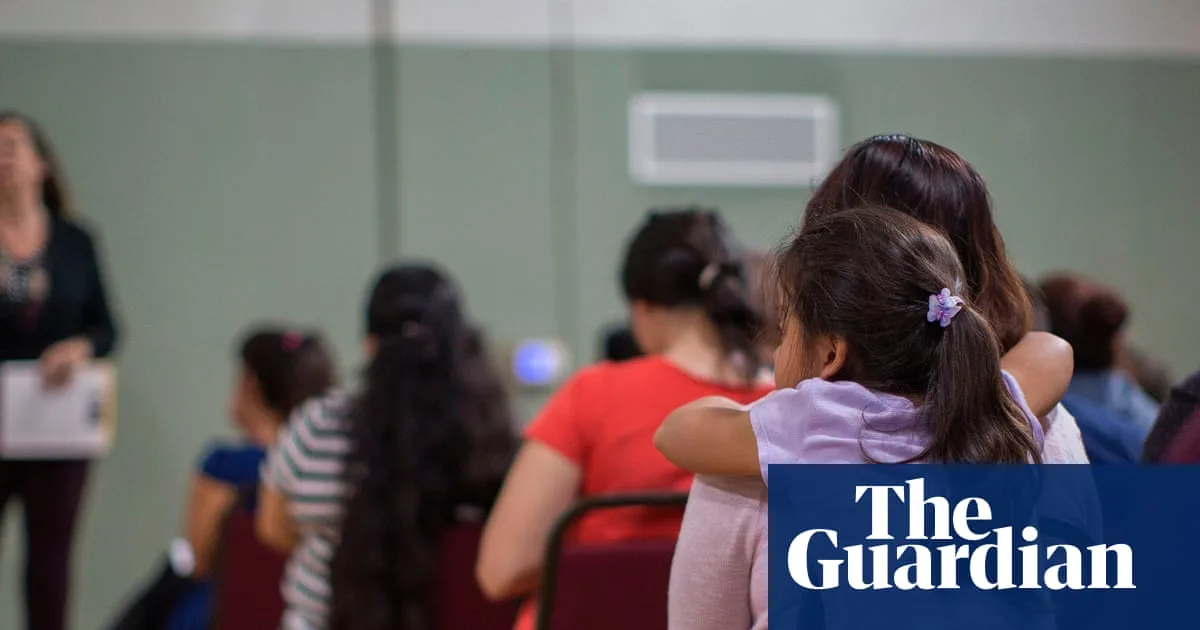
A new report has found that the Trump administration is deporting significant numbers of parents without asking if they have children or allowing them to decide whether to bring them along, in apparent violation of its own policies. The study, conducted by the Women’s Refugee Commission (WRC) and Physicians for Human Rights (PHR), involved interviews with dozens of parents deported to Honduras, as well as physicians, psychologists, government officials and staff at reception centres.
Researchers found that many parents were deported quickly after detention, without a chance to arrange care for their children. Some were forced to leave children with friends or family members who were also vulnerable to deportation, while others were separated from toddlers and babies – including a mother deported without her two-month-old. One 22-year-old mother told researchers: “They never said: ‘You have a daughter, you can bring her,’ because I would have brought [my daughter], she is very attached to me.”
Pregnant and postpartum women arriving at reception centres in Honduras displayed “extremely high levels of emotional distress”, including anxiety and panic symptoms, according to centre staff. Zain Lakhani, director of migrant rights and justice at WRC, said: “What we’ve found is fairly significant evidence that [Immigration and Customs Enforcement officers] are not asking about people’s children at the time of arrest. They are not ensuring that those children have safe care, and they are not allowing parents an opportunity to decide what happens to their children if they are deported.”
Michele Heisler, a physician with PHR who interviewed parents in Honduras, said several reported trying to explain they had children but were ignored. “We talked to parents who were detained one day, and they were literally deported a couple of days later,” she said. Some had no chance to speak to a lawyer or coordinate with co-parents before deportation. Heisler warned of a “really high burden of mental health distress” for both parents and children, especially toddlers who may feel a sense of abandonment. Some parents were separated from children with disabilities, including a mother detained while dropping off her autistic son at school.
The US Department of Homeland Security (DHS) denied separating families, stating: “Parents are given a choice: they can be removed with their children or place them with a safe person they designate.” However, previous Guardian reporting and the new findings suggest this is not always the case. Although the report focused on Honduras, Lakhani suspects deportees to other countries face similar obstacles to reunification.




