
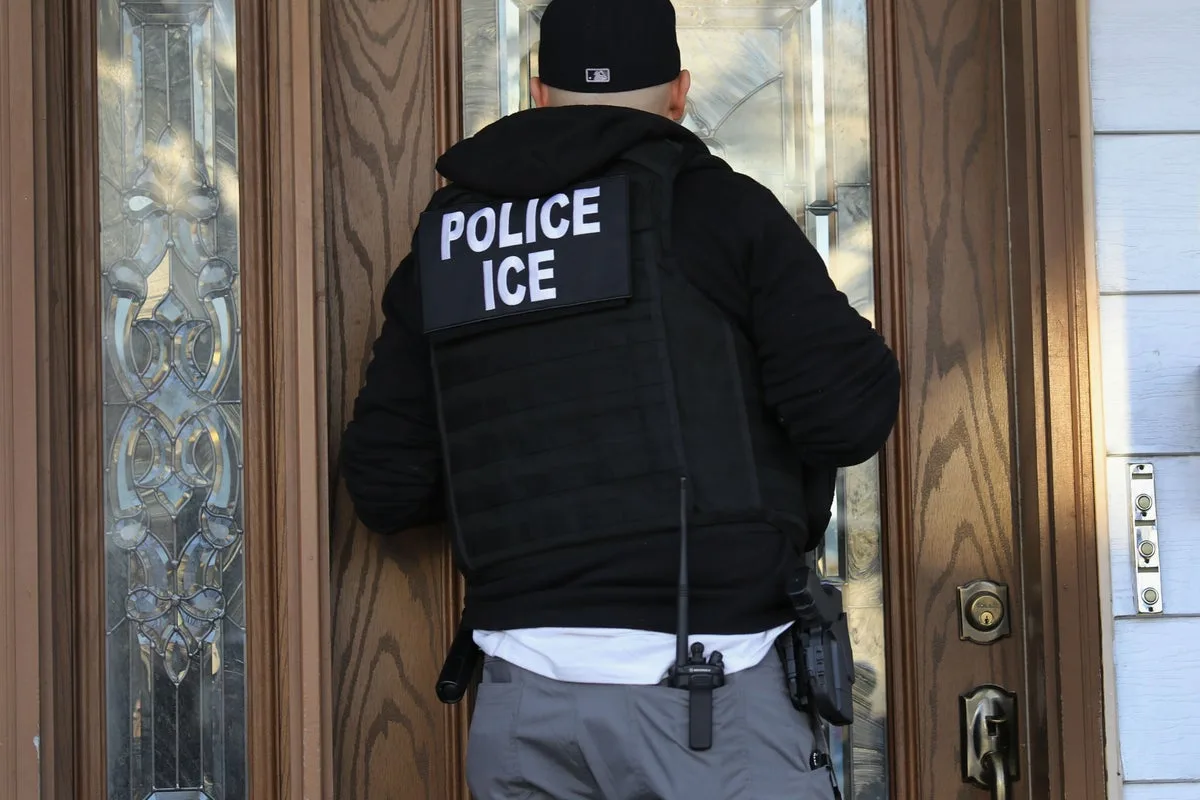
An internal handbook for US Immigration and Customs Enforcement (ICE) undercover agents, obtained by The Independent, details the extent of agents' legal powers, including the ability to induce criminal activity under certain circumstances. The 227-page document, dated April 14, 2008, was reportedly in use until at least 2016.
The handbook states that agents are not generally authorised to participate in criminal activity, except when justifications exist, such as preventing death or injury, obtaining necessary evidence, or maintaining cover credibility. Similarly, agents may induce criminal activity if there is reasonable suspicion, with parameters set internally by ICE.
Legal experts note that such tactics are common in undercover operations, particularly in terrorism, drugs, and sex solicitation cases. Dr James B Jacobs of New York University said entrapment defences are rarely successful, especially in terrorism cases. Dr James Kenney of John Jay College suggested that NGOs providing support to migrants could be at risk of being targeted.
ICE spokesperson Matthew Bourke declined to comment on the leaked document, calling it law-enforcement sensitive. The handbook appears in the table of contents of ICE's 2016 Special Agent's Manual, according to Freedom of Information Act documents.




