Harvard Scientist Secures Legal Victory in Visa Dispute Over Frog Embryo Samples
A Russian-born Harvard Medical School researcher, who faced accusations of smuggling frog embryos into the United States, has achieved a significant legal triumph. On Tuesday, a federal judge determined that Customs and Border Protection agents acted improperly when they cancelled her visa last year.
Detainment and Legal Challenge
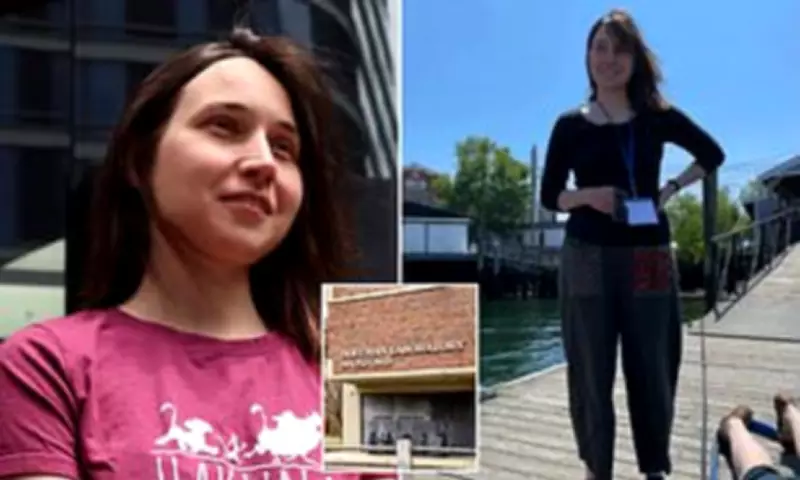
Kseniia Petrova, aged 30, was returning from a personal trip to France on February 16, 2025, carrying unclaimed animal samples. The frog embryos had been requested for hand transport by principal research scientist Leonid Peshkin, her colleague. Following interrogation at the border, Petrova was informed her visa was being cancelled. Border Patrol officials presented her with two options: return to France or face deportation.
According to reports from the Harvard Crimson, Petrova then expressed fears of political persecution if sent back to Russia, where she had previously been arrested for protesting the war in Ukraine. This statement led officers to detain her and transfer her to an Immigration and Customs Enforcement detention facility, where she remained for four months.

During her detainment, Petrova's legal team filed two separate petitions challenging the visa revocation. They argued that even if a customs violation occurred, it did not constitute legal grounds for cancelling her visa under existing regulations.
Judge's Ruling on Border Authority
US District Court Judge Christina Reiss issued a comprehensive 21-page ruling on Tuesday, siding with Petrova's arguments. The judge noted that Customs and Border Patrol agents possess limited authority to cancel visas, and that such authority "do not include a customs violation or even suspected smuggling of biological samples."
"The undisputed facts reveal that Ms Petrova's visa was impermissibly canceled because of the frog embryo samples and for no other reason," Judge Reiss wrote in her decision. She further stated that the agents' actions were "arbitrary and capricious, not in accordance with the law and exceeded the officers' authority or jurisdiction."
The ruling also highlighted that federal officers failed to justify the visa cancellation adequately and could not "explain their refusal to allow Ms Petrova to return to France and their efforts to deport her."
Scientific Community Reaction and Background
Petrova's case has drawn considerable attention within the scientific community, with concerns raised about potential impacts on recruiting and retaining foreign scientists at American universities. The researcher, a graduate of a prestigious Russian physics and technology institute, has conducted extensive studies on cancer, heart disease, diabetes, and other chronic conditions.
At the time of her detainment, Petrova was collaborating with a Harvard team investigating cellular regeneration to extend human lifespan. Her attorney, Gregory Romanovsky, praised Tuesday's ruling, stating: "Today's decision marks an important step toward correcting what never should have happened in the first place."
Romanovsky added that Petrova has resumed her laboratory work at Harvard since another federal judge secured her right to work in the US last December. "Today's ruling makes clear that, as broad as CBP's authority is at the border, its actions cannot be arbitrary or capricious," he continued. "The United States remains a nation of laws - and those laws apply to all."
Circumstances Surrounding the Embryo Transport
The controversial transport originated when Peshkin asked Petrova to carry the frog embryos during her trip to France, where she planned to attend a performance by pianist András Schiff. The embryos had initially been intended for postal shipment, but when attempted, the package arrived "defrosted, mishandled, and lost."
"I made a mistake," Peshkin told the Boston Globe last year. "I regret very much doing this." He explained that Petrova was not attempting to conceal anything, having stored the samples in a "sizable box with ice packs." Petrova herself previously told the Associated Press that she was unaware the samples required declaration and had no intention of smuggling.

Despite the visa victory, Petrova's smuggling case remains pending in federal court, continuing the legal proceedings surrounding the incident.