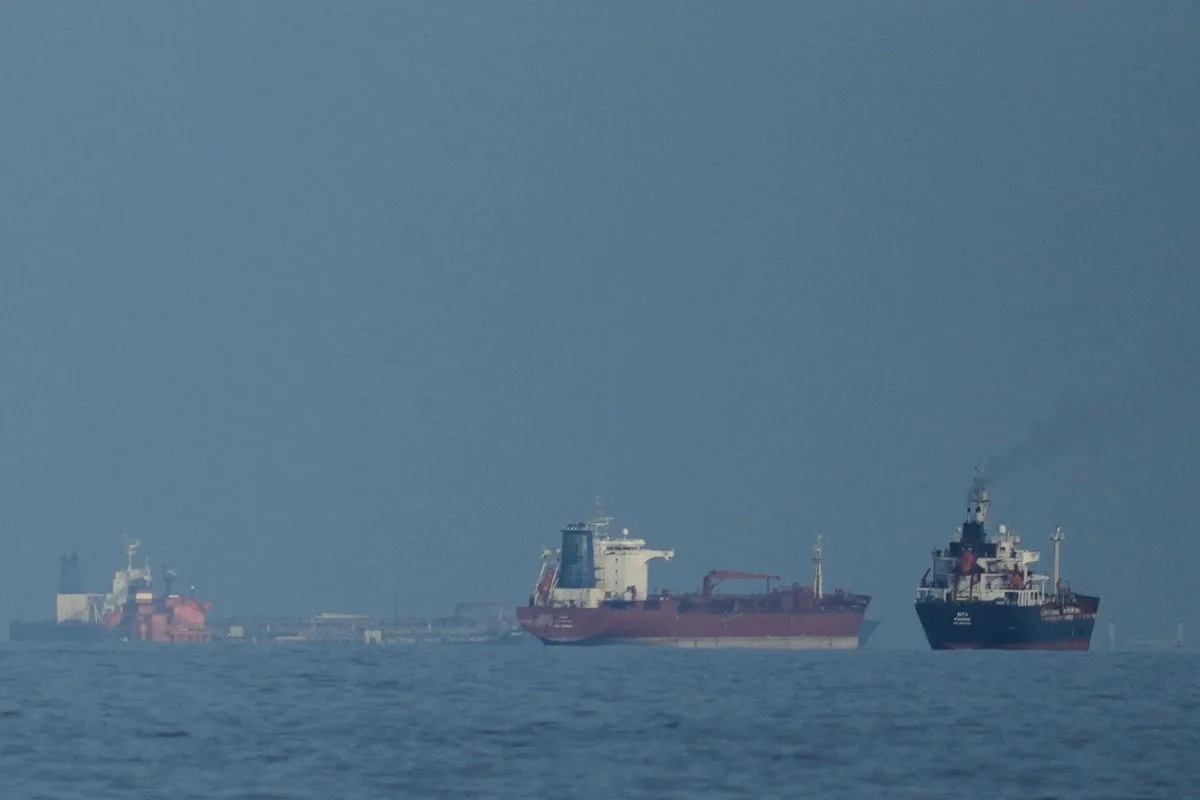
UK Pledges Major Military Role in Strait of Hormuz Protection Mission
UK to Lead Military Contribution in Strait of Hormuz Mission

UK Pledges Major Military Role in Strait of Hormuz Protection Mission

The United Kingdom will provide a wide-ranging military contribution to an international mission designed to protect commercial shipping in the critical Strait of Hormuz, according to the UK ambassador to the United States. Sir Christian Turner announced the commitment, which comes against a backdrop of persistent concerns regarding the condition and funding of Britain's armed forces.

Addressing Long-Standing Defence Concerns

This pledge arrives during a period of intense scrutiny over the nation's military capabilities. Only this week, Labour former defence secretary and former NATO chief Lord Robertson of Port Ellen accused the government of displaying corrosive complacency in the face of clear and present dangers. The ambassador's statement serves to underscore the UK's active role in global security despite these internal debates about defence investment and readiness.

Details of the Multinational Initiative

Sir Christian outlined the mission during an event in Washington, explaining it is a joint UK-France led effort intended to provide reassurance to vessels traversing the vital Gulf waterway following the conclusion of the Iran conflict. The initiative was formally announced at talks in Paris involving nearly fifty countries, a gathering the diplomat said demonstrated global resolve to prevent any tolls or restrictions on this crucial trade artery.

Wide Pickt banner — collaborative shopping lists app for Telegram, phone mockup with grocery list

The Strait of Hormuz is a linchpin for global energy supplies, facilitating the movement of approximately one-fifth of the world's oil and gas. To date, around twelve nations have committed capabilities to participate in the defensive operation.

Mission Objectives and Structure

The planned multinational mission has several key objectives:

  • Providing defensive protection for merchant vessels.
  • Reassuring commercial shipping operators.
  • Conducting mine clearance operations as soon as conditions safely permit.

Sir Christian confirmed that military planning is actively underway, focusing on marshalling the necessary capabilities to support the shipping industry in the aftermath of the ceasefire. The UK and France have agreed to establish an independent, multinational mission that will operate under a clear command and control structure. A military planning conference scheduled for early next week will finalise and announce the specifics of the UK's contribution.

Navigating International Politics

The move has not been without controversy. US President Donald Trump derided the mission, using it as a fresh opportunity to criticise NATO as useless, following the alliance's refusal to support his offensive against Iran. In response, Sir Christian was careful to note that this is not a NATO-led mission, though he praised the president's past leadership in driving up defence spending among European allies.

He simultaneously stressed the enduring importance of NATO, calling it the most successful and enduring defensive alliance in history, and clarified that the mission's independence from the alliance was a specific choice for operations in the Strait of Hormuz.

Fragile Ceasefire and Future Risks

The mission is designed to follow seamlessly from Iran's announcement that it has reopened the strait to shipping, part of a cessation of hostilities in the region. A fragile US-Iran truce is currently in effect until April 22nd, with a separate ceasefire between Israel and Lebanon also underway.

However, the longevity of this peace was immediately thrown into question. Early on Saturday, Iran's parliamentary speaker, Mohammad Bagher Qalibaf, posted on social media platform X a warning that if the US blockade continued, the Strait of Hormuz will not remain open. This statement highlights the precarious and volatile situation the new international mission aims to stabilise.

Sir Christian hailed the coalition's formation as a significant development and a strong signal of intent, expressing hope that it would ensure continued freedom of navigation for global trade in this strategically indispensable region.

Pickt after-article banner — collaborative shopping lists app with family illustration




