Hantavirus Outbreak Sparks Covid Flashbacks: How Worried Should We Be?
Hantavirus Sparks Covid Flashbacks: How Worried Should We Be?

The sight of people in hazmat suits and phrases like 'self-isolation' dominating the airwaves is bringing back troubling memories for many, as a hantavirus outbreak on a Dutch cruise ship sparks comparisons to the early days of the Covid-19 pandemic. However, health officials stress that the situation is very different and the risk to the general public remains extremely low.

The MV Hondius Outbreak

The MV Hondius, a cruise ship that set sail from Argentina in early April, has been linked to eight cases of hantavirus, a rodent-borne disease, with five confirmed by laboratory testing. Three deaths have been reported on board. The ship is currently heading to the Canary Islands, while two British nationals are self-isolating at home after potential exposure.

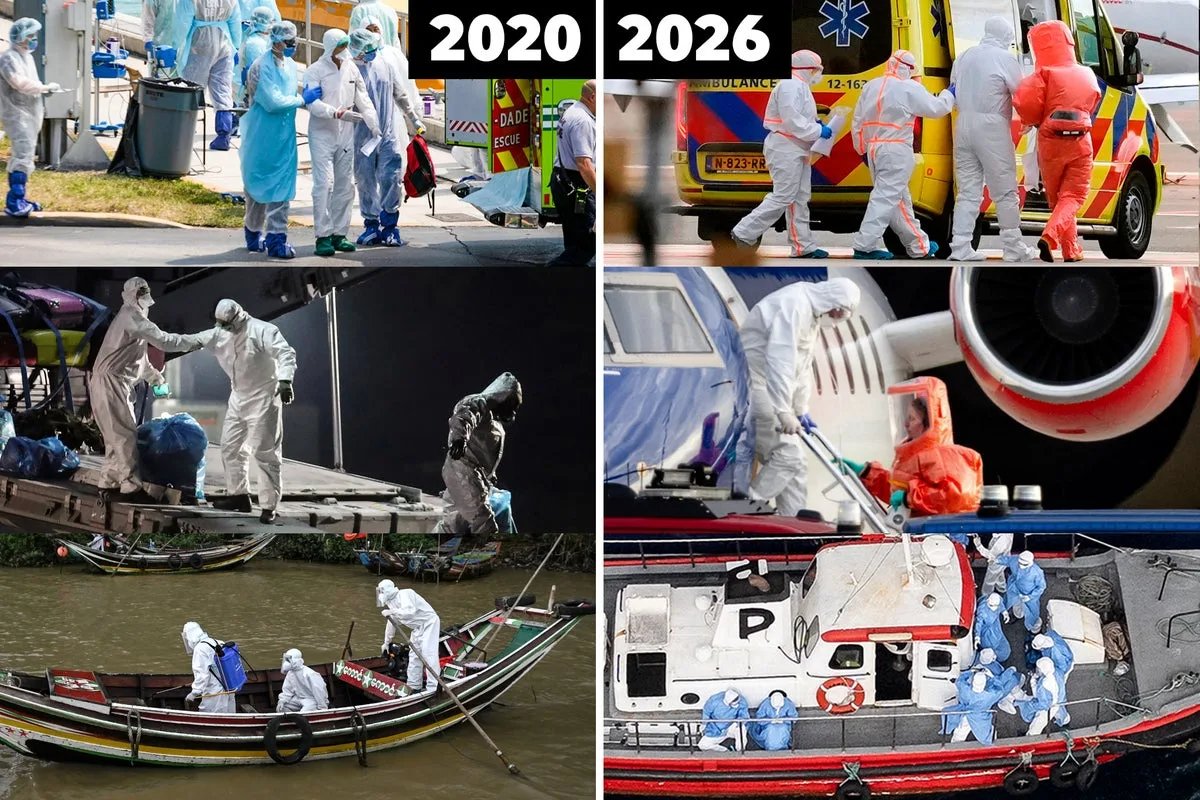
Photographs of healthcare workers in full personal protective equipment (PPE) evacuating passengers have triggered an uncomfortable sense of deja vu, reminiscent of 2020. Social media threads from armchair epidemiologists and maps tracking the ship's movements have added to the anxiety.

Wide Pickt banner — collaborative shopping lists app for Telegram, phone mockup with grocery list

What Is Hantavirus?

Hantaviruses are a group of viruses carried by rodents, typically transmitted to humans through inhalation of particles from rodent droppings, urine, or saliva. The virus can also enter through bites or open wounds. Globally, there are an estimated 150,000 cases annually, with more than half occurring in China.

The disease manifests in two forms: Haemorrhagic Fever with Renal Syndrome (HFRS), common in Asia and Europe, with a mortality rate of 1-15%; and Hantavirus Pulmonary Syndrome (HPS), found in the Americas, which can be fatal in nearly 40% of cases. Both start with flu-like symptoms such as fever, muscle aches, and headaches.

There are currently no specific vaccines or treatments for hantavirus infections. Severe cases may require supportive care, such as respiratory support for HPS or dialysis for HFRS.

Human-to-Human Transmission Concerns

Typically, hantavirus causes a dead-end infection, meaning it does not spread from person to person. However, the Andes strain, found in Argentina and Chile, can be transmitted through close contact. Passengers on the Hondius have tested positive for this strain, leading to concerns about human-to-human spread.

Past outbreaks of the Andes strain, such as the 1996 El Bolsón outbreak and the 2018 Epuyen outbreak, have demonstrated person-to-person transmission, with superspreaders identified in the latter. The Epuyen outbreak resulted in 34 infections and 11 deaths and was controlled through strict quarantine measures.

Expert Reassurances

Despite the potential for human-to-human transmission, experts emphasise that the risk to the general public is negligible. Dr Maria Van Kerkhove of the World Health Organisation told the BBC that transmission requires close contact, not casual exposure. Professor Robin May, Chief Scientific Officer of the UK Health Security Agency, added that 'a quick pass in an airport is not going to put you at risk' and that there is 'really no cause for concern.'

Scientists agree that hantavirus is not efficient at spreading between people, making it an unlikely candidate for a pandemic. Even on a cruise ship, a confined environment, the number of affected passengers remains small. For the virus to become a pandemic threat, it would need to undergo significant evolutionary changes, which is considered unlikely.

While the outbreak has triggered unwanted memories of Covid-19, experts urge the public to remain calm. The situation is not a precursor to another pandemic, and the risk to the wider public remains very low.

Pickt after-article banner — collaborative shopping lists app with family illustration




