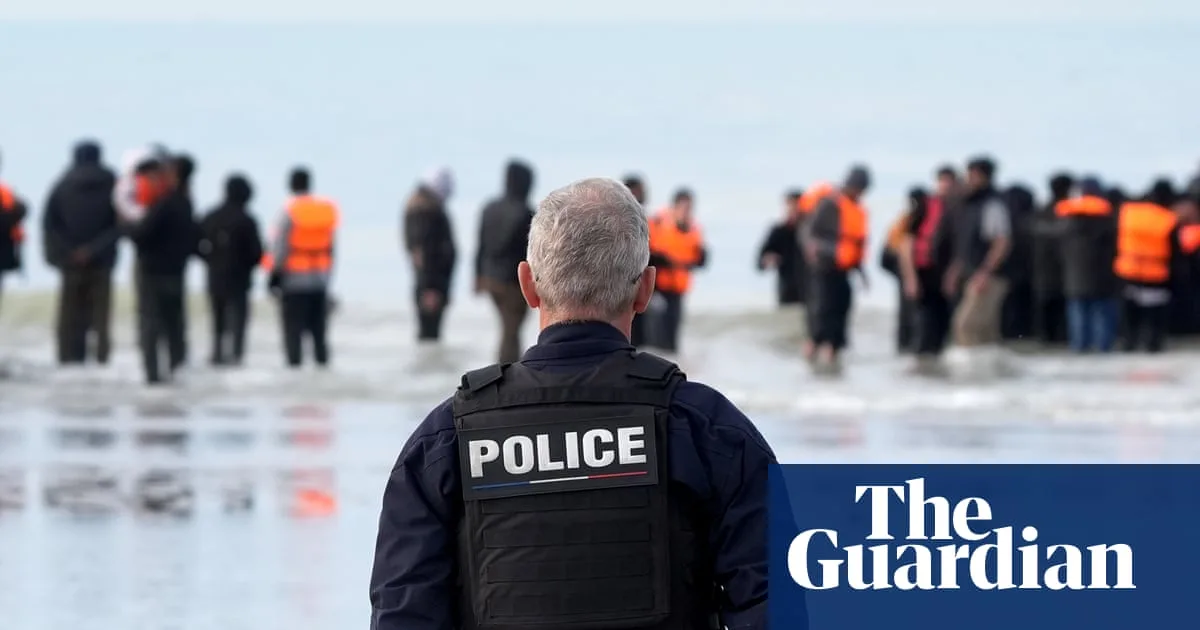
France has agreed to conduct limited sea interceptions of migrant dinghies following desperate private pleas from Prime Minister Keir Starmer, who admitted Britain currently has no effective deterrent against small boat crossings.
The Leaked Admission
According to documents leaked to French newspaper Le Monde, Sir Keir privately begged French President Emmanuel Macron for urgent action to address the escalating small boats crisis. The British Prime Minister wrote: "It is essential that we deploy these tactics this month," adding the frank admission that "We do not have an effective deterrent in the Channel."
This revelation comes as official figures show more than 60,000 migrants have reached Britain via dinghy since Labour's election victory last year. Sir Keir's early decision to abandon the Conservative government's Rwanda deportation scheme has been followed by his own policy returning only 153 illegal migrants across the Channel - with at least two immediately returning to England.
France's New Approach
The leaked document, signed on Tuesday by four local government prefects for the Channel and North Sea coastline, confirms that Maritime Gendarmerie units will conduct operations at sea to intercept inflatable boats intended for migrant transport to England.
However, the operations will be heavily restricted by safety concerns that have prevented French intervention since small boat crossings began in 2018. The new tactics will only target dinghies while they're relatively empty, with interventions confined to shallow waters.
An official from the Maritime Gendarmerie told the BBC that dinghies would only be stopped at sea before they pick up passengers, focusing on ports and channels like the sea canal through Gravelines, between Calais and Dunkirk.
Operational Limitations and Risks
The leaked document emphasises that "the absolute and unwavering priority is safeguarding human life," with officers using "graduated and reversible measures" ranging from stop orders to boat immobilisation and diversion.
Significantly, French authorities have ruled out several potentially dangerous tactics:
- Nets will NOT be used to intercept boats or snarl propellers
- Inflatable boats will NOT be slashed or punctured
- Operations will focus on shallow waters only
Police unions have expressed serious concerns about the dangers of sea arrests. A source at police union Alliance warned: "If there are eighty people on an overcrowded boat, including women and children, then it is extremely dangerous to try to stop them."
A senior French Navy officer echoed these concerns, stating that disaster and drownings could easily happen during interception attempts.
The practical challenges are substantial. Daily Mail observations reveal that people smugglers' "taxi boats" have only brief moments when fewer than a dozen migrants are aboard. In the hotspot harbour town of Gravelines, 30ft-long dinghies typically launch before dawn with an initial team of migrants who immediately collect up to 70 additional passengers from neighbouring beaches before heading for Dover.
With high winds currently providing the only effective barrier to crossings this week, the success of France's limited new approach remains uncertain as both nations grapple with a crisis that shows no signs of abating.