England's Cocaine Consumption Reaches Staggering £10 Billion Annually
A groundbreaking Home Office analysis has uncovered that cocaine users in England are consuming nearly £10 billion worth of the drug each year. The study, which examined narcotics detectable in the water supply, identifies the South American stimulant as the most-used Class A substance by a significant margin.
Wastewater Analysis Reveals National Scale of Drug Use
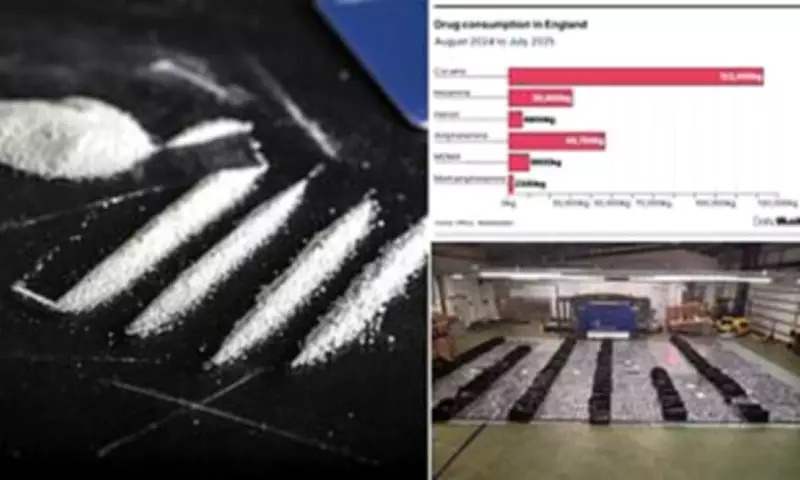
The Wastewater Analysis for Narcotics Detection (WAND) programme estimated that between August 2024 and July 2025, approximately 132,000 kilograms (129 tonnes) of cocaine with a market value of £9.8 billion was consumed across England. This research marks the first time drug use has been measured on such a comprehensive national scale, analysing water at 50 treatment plants in England and Scotland.
The methodology measures metabolites—by-products of drug use excreted in urine—providing an accurate picture of consumption patterns. Notably, the study did not test for cannabis due to sampling method limitations.

Geographic Hotspots and Emerging Trends
The data pinpointed where cocaine use is most concentrated:
- Liverpool emerged as a primary hotspot
- Sunderland showed exceptionally high usage rates
- Scotland also ranked among the highest consumption areas
In a concerning development, the horse tranquiliser ketamine was identified as the second most prevalent drug by market value, with estimated consumption of 30,800 kilograms worth £0.9 billion. Additional ketamine hotspots included:
- Brighton
- Portsmouth
- Norfolk
- Bristol
Dramatic Increases in Specific Drug Categories
The WAND programme revealed startling growth patterns between 2021 and 2025:
- MDMA (ecstasy's main ingredient) increased by 232 percent
- Ketamine surged by 229 percent
- Methamphetamine rose by 61 percent
- Cocaine grew by 26 percent
Contrastingly, heroin use declined by 40 percent during the same period, suggesting shifting preferences in the illicit drug market.
Patterns of Consumption and Problematic Use
The analysis uncovered distinct temporal patterns in drug taking:
Samples for cocaine and MDMA peaked at weekends, confirming their status as recreational party drugs. However, ketamine, amphetamines and methamphetamines showed constant usage throughout the week, indicating more regular and potentially problematic consumption patterns.
Border Force Seizures and Public Health Consequences
Separate Home Office data reveals Border Force intercepted five tonnes of cocaine worth £400 million at London Gateway in less than a month. One remarkable seizure involved a £256 million haul weighing more than an adult rhinoceros, cleverly disguised as banana boxes in a shipping container from Panama.
Overall, drug seizures have increased by 40 percent year-on-year, with almost 150 tonnes of illegal drugs confiscated in the year ending March 2025—the highest level since records began.
Tragically, cocaine-related deaths reached their highest level in over 30 years, with 1,279 registered in 2024. This represents a 14.4 percent increase from 2023 and is eleven times higher than 2011 levels, highlighting the devastating human cost of England's escalating drug crisis.