Justice Department Subpoenas Minnesota Governor Walz in Immigration Obstruction Investigation
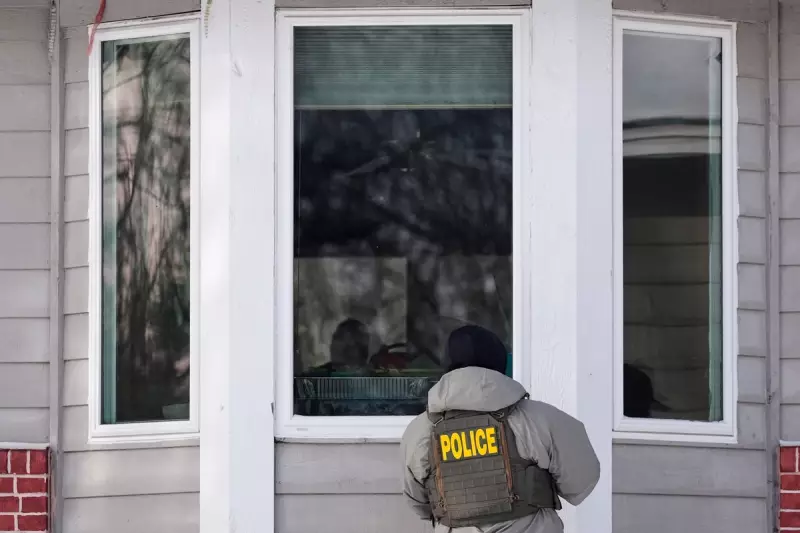
Federal prosecutors have served six grand jury subpoenas to officials in Minnesota as part of a significant investigation into whether state and local authorities obstructed or impeded federal law enforcement during a sweeping immigration operation in the Minneapolis-St. Paul area. The subpoenas, which were issued on Tuesday, seek records from key offices, according to a person familiar with the matter who spoke on condition of anonymity.
Subpoenas Target High-Profile Officials
The subpoenas were directed to the offices of Governor Tim Walz, Attorney General Keith Ellison, Minneapolis Mayor Jacob Frey, St. Paul Mayor Kaohly Her, as well as officials in Ramsey and Hennepin counties. This move underscores the escalating tensions between federal and state entities over immigration enforcement policies.
The person providing this information was not authorised to publicly discuss the ongoing investigation and shared details with The Associated Press under anonymity. The issuance of these subpoenas coincides with the Trump administration urging a judge to reject efforts by Minnesota and its largest cities to halt the immigration enforcement surge, which has caused unrest in Minneapolis and St. Paul for several weeks.

Legal and Constitutional Disputes Intensify
In a court filing, the Justice Department labelled a lawsuit filed by Minnesota as legally frivolous, arguing that the Department of Homeland Security is acting within its legal powers to enforce immigration laws. The government stated that Operation Metro Surge has enhanced safety by arresting over 3,000 individuals who were in the country illegally.
Justice Department attorneys contended, Put simply, Minnesota wants a veto over federal law enforcement. However, Minnesota Attorney General Keith Ellison countered that the government is violating constitutional rights, including free speech, through unprecedented sweeps. He criticised the armed officers as poorly trained and called for an end to what he described as an invasion.
Expert Opinions and Community Concerns
Ilan Wurman, a constitutional law professor at the University of Minnesota Law School, expressed scepticism about the state's legal arguments. He noted, There's no question that federal law is supreme over state law, that immigration enforcement is within the power of the federal government, and the president, within statutory bounds, can allocate more federal enforcement resources to states who've been less cooperative in that enforcement space than other states have been.
Julia Decker, policy director at the Immigrant Law Center of Minnesota, voiced frustration over the lack of transparency regarding arrest numbers and the accuracy of descriptions of those in custody. She highlighted concerns that U.S. citizens have been forcibly removed from their homes and vehicles during the operation, stating, These are real people we're talking about, that we potentially have no idea what is happening to them.
Incidents and Broader Implications
The probe follows the fatal shooting of Renee Good, a 37-year-old woman, on January 7, during an incident where she was moving her vehicle that had been blocking a street in Minneapolis. Trump administration officials claim the officer acted in self-defence, though videos suggest otherwise. Since then, public confrontations with officers have increased, with protesters using whistles and insults, while federal agents have employed tear gas and chemical irritants.
Additionally, local police reported that off-duty law enforcement officers have been racially profiled and stopped without cause by federal agents. Brooklyn Park police Chief Mark Bruley emphasised that these incidents predominantly affect people of colour, including his own officers, and suggested they may be the actions of a small group of individuals.
In a related development, U.S. District Judge Katherine Menendez ruled in a separate lawsuit that federal officers cannot detain or tear gas peaceful protesters who are not obstructing authorities. Meanwhile, President Donald Trump recently threatened to invoke an 1807 law to send troops to Minnesota, though he has since moderated his public remarks on the matter.

This investigation highlights the ongoing conflicts between federal immigration policies and state-level resistance, with significant legal and social ramifications for communities in Minnesota and beyond.