Doctor with Burke Ties Coordinates ISIS Brides' Return from Syria
A suburban doctor believed to be coordinating the return of Australian 'ISIS brides' from a Syrian refugee camp is such a close ally of Home Affairs Minister Tony Burke that he has been photographed wearing a T-shirt featuring the minister's name. Western Sydney GP Dr Jamal Rifi is understood to be on the ground in Syria, attempting to assist 34 women and children in exiting the Roj refugee camp in the country's north-east.
Failed Attempt and Passport Issuance
The Australian group, who have been marooned in the camp for almost seven years following the war against ISIS, attempted to leave on Monday but were turned back amid concerns they lacked the correct paperwork. It is understood that 11 families have now been issued Australian passports and documents in preparation for travel. These passports are reported to be 'single-use-only' documents, highlighting the sensitive nature of the operation.
Government Distancing and Security Measures
The Albanese government has tried to distance itself from the ISIS brides' impending return, insisting it is not assisting their repatriation to Australian soil. In a significant move, the government temporarily banned one individual from returning on Wednesday night. Home Affairs Minister Tony Burke confirmed that a 'temporary exclusion order' was enforced, stopping an Australian citizen from re-entering the country for up to two years due to security risks.
'I can confirm that one individual in this cohort has been issued a temporary exclusion order, which was made on advice from security agencies,' Burke stated. 'At this stage, security agencies have not provided advice that other members of the cohort meet the required legal thresholds for temporary exclusion orders.'
Close Ties to Minister Burke
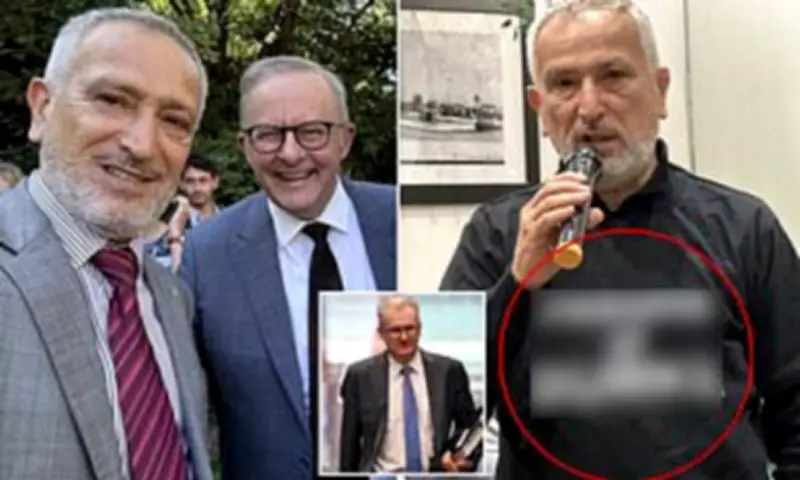
Dr Rifi's connections to Minister Burke are well-documented. The Daily Mail revealed that Dr Rifi is such a close supporter that he has been photographed wearing a T-shirt with the slogan 'FRIENDS OF BURKE' printed on the front. Dr Rifi has known Burke for over 20 years and has previously praised him for doing a 'great deal' for his electorate of Watson, even spearheading the Friends of Burke campaign at the 2025 election.
'I've known the man for 20 years, and the community knew of him for 20 years when he was in government and even when he was in opposition,' Dr Rifi told media in 2024. 'He has always worked for the local constituents, and anyone who says otherwise does not know the man. He does not work to divide and conquer, unlike some other people in politics.'
Political Reactions and National Security
On Wednesday, Burke claimed he was unaware of Dr Rifi's movements, stating, 'He has not discussed any plans with me, nor would he have any reason to.' Meanwhile, Prime Minister Anthony Albanese emphasized the government's stance on national security, saying, 'We will implement the law to its fullest capacity that we can. We want to make sure that Australians are kept safe. These are people who chose to go overseas to align themselves with an ideology which is the caliphate, a brutal, reactionary ideology that seeks to undermine and destroy our way of life.'
The government confirmed last week that it would allow the families to return to Australia but only through their own means, with no assistance or repatriation efforts provided. This position has drawn criticism from the Opposition, which has been calling for stricter measures to prevent the return of individuals linked to ISIS.
Dr Rifi's Background and Community Role
Dr Rifi's work to promote community cohesion has been lauded across the political spectrum. He was named 'a great Australian' by former Prime Minister Scott Morrison, highlighting his reputation for fostering unity. Despite this, his current involvement in the sensitive repatriation effort has sparked controversy and raised questions about the government's indirect role in the process.
The situation remains fluid as security agencies continue to assess the risks associated with the returning cohort. The use of temporary exclusion orders and single-use passports underscores the balancing act between legal obligations and national security concerns in handling such complex international cases.