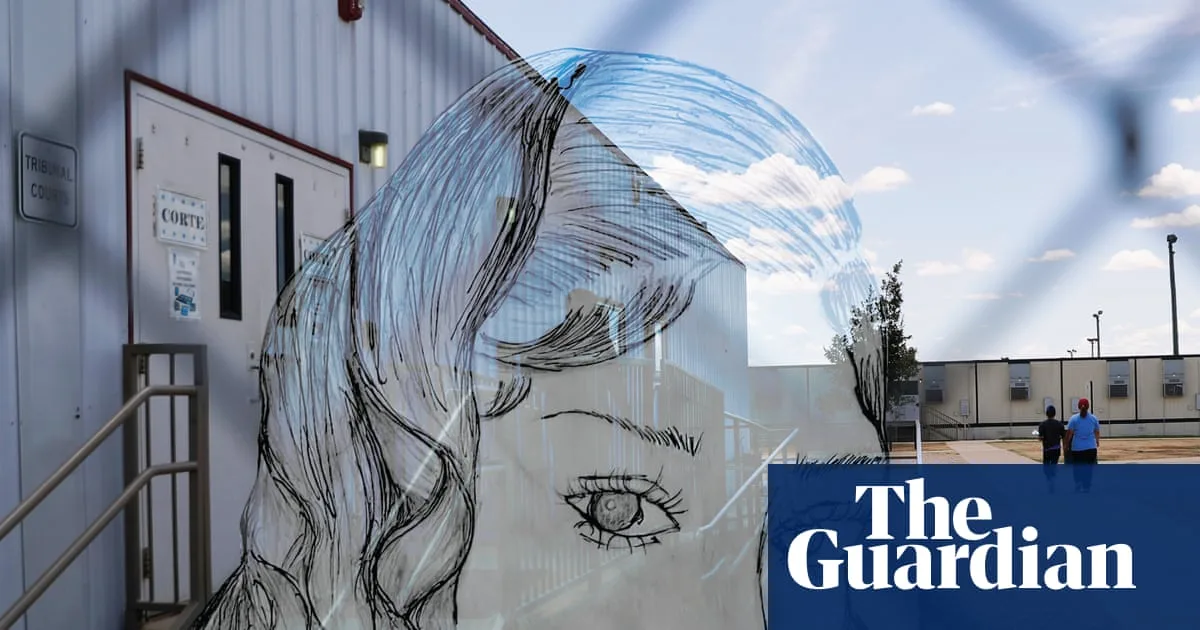
A 19-Year-Old's Daily Struggle in ICE Detention: 'This Nightmare Won't End'
Each day in detention feels like 48 hours for Olivia, a 19-year-old asylum seeker from the Democratic Republic of the Congo. She has been held at the Dilley Immigration Processing Center in Texas for over four months, describing her experience as an unending nightmare. Olivia is one of approximately 5,600 immigrants, more than half children, detained at the sprawling facility since its reopening last year, amid calls from human rights advocates, pediatricians, and lawmakers to shut it down.
Endless Nights and Traumatic Memories
Olivia's nights are the hardest, marked by sleeplessness and nightmares. She often cries alone until exhaustion sets in around 3 a.m., haunted by memories of her brother Manuel, who drowned during her family's journey from South America to the U.S. After fleeing political persecution in the DRC, her family arrived in December 2022, only to be apprehended in November and separated multiple times by immigration authorities.
Initially, Olivia was held separately from her mother and siblings, moved between detention centers where she wore an orange jumpsuit and shackles that left scars on her wrists and ankles. She recalls the extreme cold at one facility in New York, dubbed "the fridge," where her coat was confiscated. Now at Dilley, she sleeps with a coat on, unable to shake the chilling fear.
Daily Routine and Emotional Toll
Her mornings begin at 6 a.m. with a modest breakfast, followed by more sleep until noon, often waking with headaches due to expired contact lenses and harsh lighting. Olivia has lost about 20 pounds since arriving, struggling with appetite and listlessness. A mental health evaluation diagnosed her with post-traumatic stress disorder and major depressive disorder.
In a stroke of luck, she discovered her family was also at Dilley after hearing her sister Estefania's voice. They were reunited for limited visits, but when her mother and siblings were released in mid-March, Olivia faced renewed sadness and isolation. The Department of Homeland Security stated that shackling Olivia was within policy and denied separating families, despite evidence to the contrary.
Afternoons of Emptiness and Legal Battles
Afternoons drag on with little to do; she watches TV with her Spanish-speaking roommate, mostly telenovelas, as friends have been released. Olivia has been repeatedly asked to sign deportation papers, despite having a stay of removal while her asylum appeal is pending. The DHS commented that detention is a choice and urged self-deportation via an app, but Olivia's appeal could take a year, leaving her feeling a huge emptiness inside.
Reports from groups like Raíces and Human Rights First document inhumane conditions at Dilley, including poor food quality and health risks. Nearly 4,000 medical professionals have called for the release of all children, citing severe harm. Olivia dreams of her former life in Maine, where she worked in a hospital cafeteria and planned to become a nurse.
Evening Reflections and Hopes for Freedom
In the evenings, she reads messages from friends in Maine, feeling left behind as they move on with their lives. If free, she would visit her favorite island off the coast for ice cream and nature. Olivia's story highlights the ongoing challenges faced by asylum seekers in U.S. detention, with her identity protected for safety. The Guardian uses first names only to ensure privacy amid these distressing circumstances.






