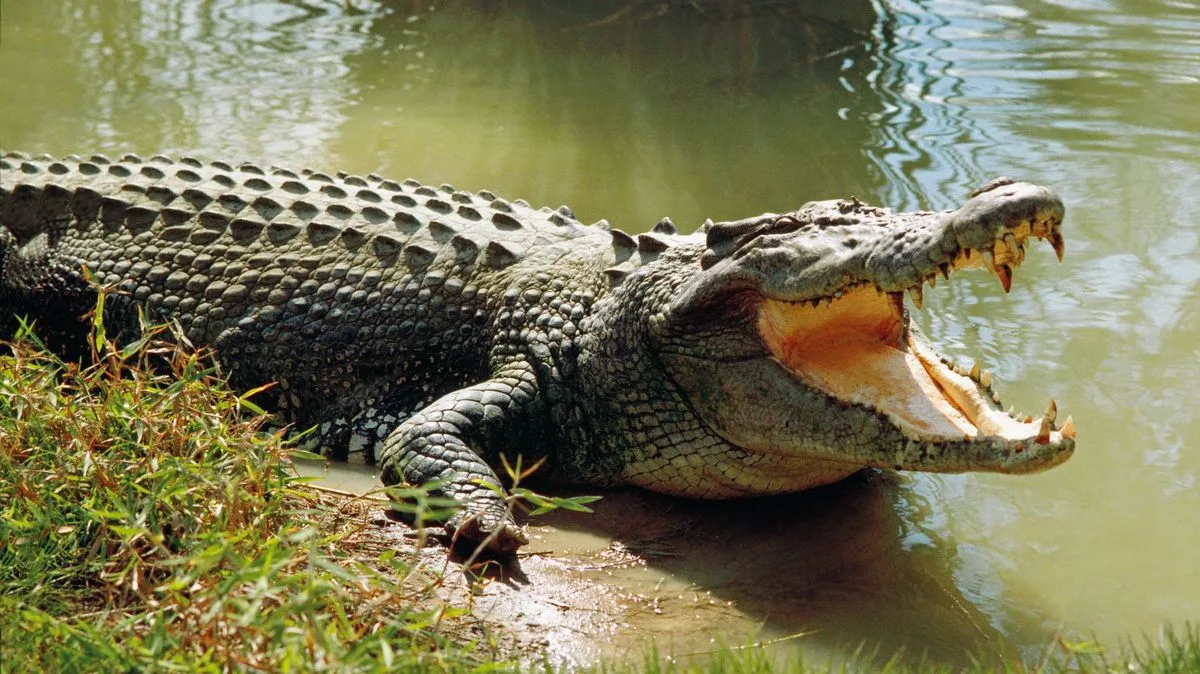
A young man in his 20s has been airlifted to hospital following a terrifying crocodile attack at a popular camping destination on Australia's western coastline. The incident occurred on Saturday, April 18, at a beach in the Kimberley region near Hidden Creek on the Dampier Peninsula, approximately 1,300 miles north of Perth, Western Australia's capital.
Details of the Attack and Emergency Response
The victim was mauled by what authorities described as a "large crocodile" at a campground that is frequented by tourists, located about 31 miles north of Broome. The Western Australia Country Health Service confirmed that the man was initially transported to Broome Hospital in stable condition before being transferred via the Royal Flying Doctor Service to Royal Perth Hospital on Sunday for further treatment.
Investigation and Environmental Context
The Department of Biodiversity, Conservation and Attractions has been notified and is actively investigating the attack. A spokesperson indicated that they have already contacted the victim's family as part of their inquiries. This area of the WA coast is characterised by tidal creeks, mangroves, and rivers, creating an ideal habitat for aggressive saltwater crocodiles, which are known to inhabit beaches and waterways in the region.
Recent Crocodile Attacks in the Kimberley
This horrifying mauling represents the second reported crocodile attack in the Kimberley within less than five months. In January, another man survived an encounter with a three-metre saltwater crocodile near the remote La Djardarr Bay Community, sustaining severe lacerations across his body.
Characteristics of Saltwater Crocodiles
Saltwater crocodiles, commonly referred to as "salties" locally, are prevalent along the Kimberley coast and are recognised as the world's largest living reptiles. They can grow up to six metres in length and are significantly more aggressive than their freshwater counterparts. While freshwater crocodiles typically inhabit inland rivers and billabongs, saltwater crocodiles are often found along coastal areas and near river mouths, and they are responsible for the majority of crocodile attacks in Australia.
Tourism and Historical Significance
The attack site is part of a region renowned for its pristine, untouched beaches, attracting numerous visitors annually. Over 600,000 British tourists travelled to Australia in 2024, marking an almost 8% increase from the previous year. Approximately 80,000 of these arrivals were on working holiday visas, contributing to a backpacker travel boom. Crocodiles themselves are ancient creatures, with ancestral forms dating back over 200 million years and modern species emerging around 83.5 million years ago, surviving the extinction event that eliminated dinosaurs.






