The case of British-Egyptian activist Alaa Abd el-Fattah has ignited a fierce debate about the fundamental nature of citizenship in the United Kingdom. This follows confirmation that the Home Office does not plan to revoke his citizenship over past social media posts deemed "abhorrent," yet the mere possibility has raised profound constitutional concerns.
The Shifting Landscape of British Belonging
A recent Institute for Public Policy Research report revealed a troubling statistic: 36% of people now believe you must be born British to be truly British. Commentators like Nick Moss argue that debates surrounding figures such as Abd el-Fattah and Shamima Begum directly feed this perception. When citizenship can be withdrawn from those not white and UK-born, it transforms from an absolute right into a conditional gift, akin to limited leave to remain.
The contrast in treatment is stark. Shamima Begum remains in a refugee camp, never formally tried for a crime, while convicted fascist nail bomber David Copeland serves his sentence in a British jail. This disparity, critics say, underscores a two-tier system.
Policy Changes and Parliamentary Action
The political landscape is actively shifting. The Labour Party's policy change in February 2025 established a blanket presumption against granting citizenship to anyone who previously entered the UK illegally, irrespective of the time elapsed.
More significantly, Parliament recently expedited the Deprivation of Citizenship Orders (Effect during Appeal) Act 2025. This legislation marks a fundamental change. Previously, if an individual successfully appealed against deprivation, their citizenship was restored during any subsequent government appeals. The new act ensures deprivation orders remain in force throughout the entire appeals process, meaning a person could be left stateless for years until all legal avenues are exhausted.
Nick Moss, writing from London, warns that so long as citizenship is an unconditional right for some and a revocable privilege for others, the damaging perception that only the white British-born are true citizens will become further entrenched.
Political Rhetoric and Public Discourse
The debate has been intensified by the language used by senior politicians. Business Secretary Kemi Badenoch questioned Abd el-Fattah's citizenship based on his "social media activity, public statements and patterns of belief." Meanwhile, Shadow Home Secretary's repeated use of the term "scumbag" to describe the activist was criticised by reader Sally March as unbecoming "playground name-calling" for a shadow cabinet member.
Analysts note that Keir Starmer's narrative on British identity, in this context, risks echoing rhetoric from figures like Nigel Farage. Dr Richard Carter of Putney pointedly highlighted this, looking forward to Badenoch's comments on Farage's own citizenship in light of his public statements.
Naomi Klein's reflection urged the public to judge Abd el-Fattah on his courageous activism and deeds, and to accept his apology for old, regretted posts. Defending only speech we agree with, she argued, is a dangerous slippery slope.
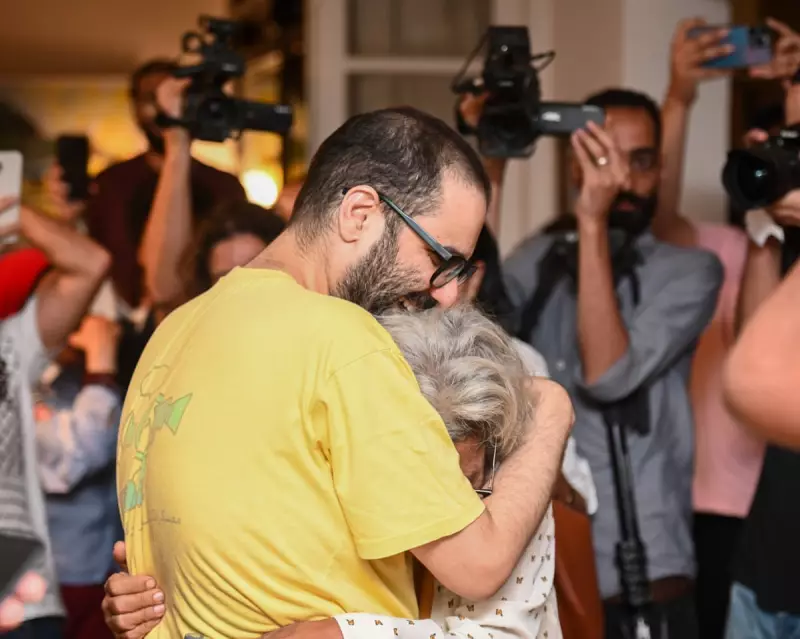
The release of Alaa Abd el-Fattah from detention in Cairo last September, captured in a poignant embrace with his mother, was a moment of relief. However, the subsequent controversy over the very basis of his British rights reveals deep and unresolved tensions about equality, belonging, and the power of the state in modern Britain.