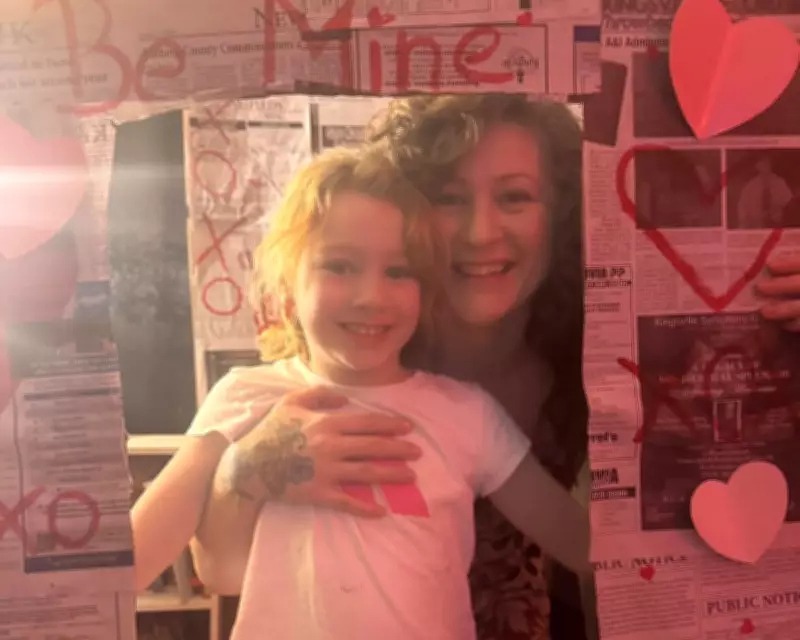
Canadian Mother and Daughter Detail Harrowing ICE Detention in Texas
Tania Warner, a Canadian citizen, and her seven-year-old daughter, Ayla, have spoken out about their nearly three-week detention by US Immigration and Customs Enforcement (ICE) in Texas. Released on April 3, Warner expressed joy at regaining freedom but deep concern for the many families still incarcerated in what she describes as "unsafe and degrading" conditions.
Families United by Suffering in Detention
Warner and Ayla were held at two ICE facilities in south Texas: the Rio Grande Valley Central Processing Center in McAllen and the Dilley Detention Center, where they were transferred on March 20. They were detained alongside families from countries including Venezuela, Egypt, El Salvador, and Russia. Despite language barriers, Warner noted a strong sense of camaraderie among detainees, united by the grueling experience of imprisonment.
"They were wonderful people. I just loved them and I cried so hard when I left, I just wanted to take them all with me," Warner said. She emphasized that immigration detainees are "suffering greatly", enduring months without due process, constant fear of separation from children, and no hope of freedom.

Criticism of Detention Conditions and Policies
The Dilley facility has faced significant criticism for inadequate healthcare and food. In February, two measles cases were reported there, and in late March, Democratic Congressman Joaquin Castro highlighted a sick two-year-old not receiving proper help. A report by Human Rights First and Raices this month detailed pervasive abuses against families and children, with over 5,600 people, including toddlers and newborns, imprisoned at Dilley between April 2025 and February 2026.
The report found that families were regularly detained for months in violation of court limits, pressured to abandon asylum claims, and threatened with separation. During her detention, Warner was constantly pressured by guards to "self-deport". She maintains that she and Ayla, who has autism, have legal documents allowing Warner to live and work in the US until June 8, 2030, and provided evidence of her employment authorization card.
Personal Fallout and Ongoing Fears
Warner and Ayla, originally from British Columbia, moved to Kingsville, Texas, in 2021 after she married her American husband, Edward. Their detention began on March 14 when they were stopped at a border patrol checkpoint in Sarita while driving home from a baby shower. Released on a $9,500 bond, they now face ongoing challenges: Warner must wear an ankle monitor, cannot travel more than 75 miles from home, and must frequently check in with ICE. The US is still seeking to deport them.
"I'm terrified, I don't know if they're going to try to re-detain us," Warner said, noting an upcoming meeting with their bond officer in Harlingen, Texas, on April 16, which requires passing an ICE checkpoint again.
Health and Safety Concerns in Detention
Warner described poor conditions at Dilley, including inadequate access to food, water, and personal hygiene. Both she and Ayla developed a persistent red rash from harsh detergents used to clean their detention uniforms—a single pair of sweatpants, a T-shirt, and sweater. The facility smelled strongly of bleach and cleaners.
"The chemicals ... they were using destroyed my daughter's skin," Warner said, adding that Ayla was confused by their restricted movement. She warned other immigrants to "lie low" to avoid similar fates.
International and Official Responses
When approached for comment on March 20, ICE requested more information about the Warners' case but has not replied despite follow-ups. Global Affairs Canada stated it is aware of multiple cases of Canadians in US immigration detention and that consular officials advocate for citizens but cannot exempt them from local legal processes. Due to privacy, no further details were disclosed.
Warner highlighted that most families in detention were from Latin America, with parents who had been professionals in their home countries now working low-wage jobs in the US before being detained. One Russian family sought asylum to avoid conscription in Ukraine, facing imprisonment as a result.

The ordeal underscores broader issues in US immigration enforcement, with Warner condemning the administration's actions as "wrong and illegal", noting that many detainees, like her, have committed no crimes but are victims of policies sweeping up tens of thousands.