A British crew member requires urgent medical care following a suspected hantavirus outbreak on a cruise ship in the Atlantic Ocean. Three people have died and two cases of the virus have been confirmed, tour operator Oceanwide Expeditions said.
The cases include a British passenger receiving care in South Africa and a newly confirmed case in a Dutch woman who died on April 27 after disembarking. The company said on Monday that two staff members — one British and one Dutch — were continuing to show acute respiratory symptoms, one mild and one severe.
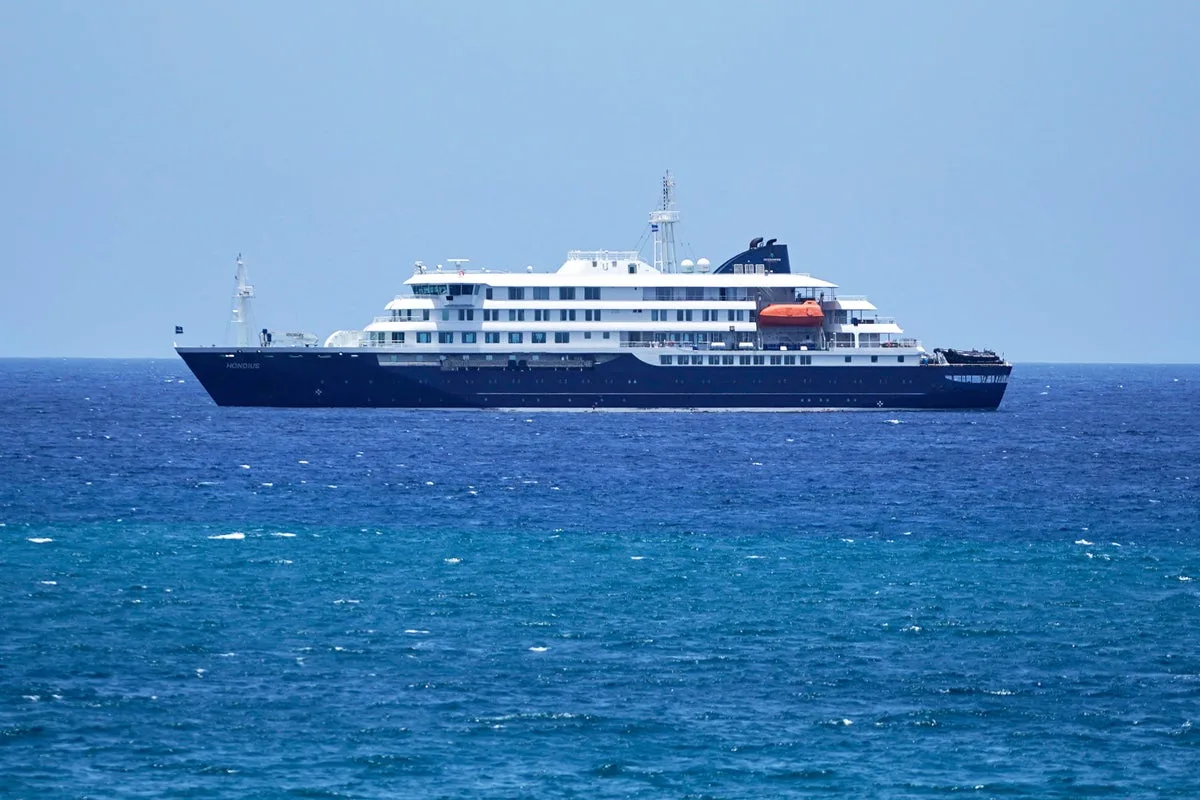
The suspected outbreak was reported on the Dutch-flagged cruise ship MV Hondius, which was sailing from Argentina to Cape Verde. Oceanwide Expeditions confirmed the British tourist remains in a critical but stable condition after being medically evacuated to South Africa on April 27, where they are being treated in an intensive care unit in Johannesburg.
The ship's journey began on April 1, and a passenger died on board on April 11. The cause of death could not be determined on board. On April 24, this passenger was disembarked on St Helena, with his wife accompanying the repatriation. The wife became unwell during the return journey and died. Authorities later confirmed she tested positive for a variant of hantavirus. On May 2, a German passenger on board died; the cause has not yet been established.
The company added that guests will not be disembarking in Cape Verde, except for three individuals who will be medically evacuated. Dutch authorities are actively preparing a medical evacuation of the two symptomatic individuals along with the individual associated with the guest that passed away. This will involve two specialised aircraft equipped with necessary medical equipment and staffed by trained medical crews.
A UK Government spokesperson said: 'This is a deeply worrying time for all those on board the MV Hondius and the families of those affected by the hantavirus outbreak. FCDO Consular teams have been stood up across the UK, South Africa, Spain and Portugal to support British nationals and we are working around the clock with our international partners.' The World Health Organization said the risk to the wider public remains low and there is no need for panic or travel restrictions.