Defense attorneys representing the man charged with igniting the devastating Palisades Fire in Los Angeles are intensifying their efforts to secure his release from custody, citing newly uncovered evidence that they argue fundamentally undermines the prosecution's case. Legal representatives for Jonathan Rinderknecht held a press conference on Thursday to publicly call for his immediate freedom, asserting that fresh testimony reveals critical failures by the Los Angeles Fire Department rather than any culpability on their client's part.
Background of the Palisades Fire Case
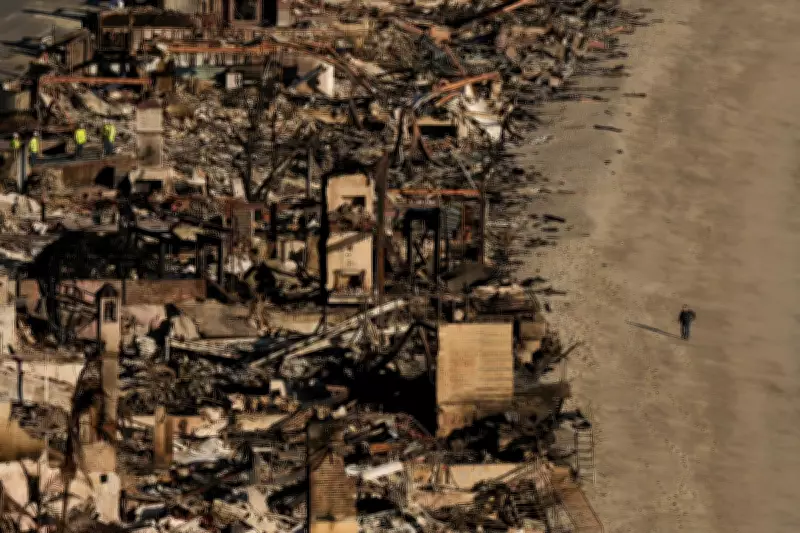
Jonathan Rinderknecht, aged 29, was formally charged in October with starting what ultimately became one of the most catastrophic wildfires in California's recorded history. The blaze originated on January 7, 2025, within the hillside communities of Pacific Palisades and Malibu, resulting in the tragic deaths of twelve individuals and causing extensive property damage across the region. Prosecutors have alleged that Rinderknecht initiated a smaller fire on January 1, which they claim burned undetected deep within root systems before violently re-igniting a full week later.
New Evidence and Testimonies Emerge
Rinderknecht has entered a plea of not guilty, with his defense team vigorously contesting the charges and portraying him as a scapegoat for systemic shortcomings within the Los Angeles Fire Department. The attorneys have drawn attention to a recently released deposition where a firefighter testified that he observed the ground still smoldering from the initial fire on January 2 and promptly notified a supervisor about persistent hot spots. This testimony was collected as part of an ongoing civil lawsuit filed by victims of the fire against the city of Los Angeles.

In a contrasting account, a battalion chief testified that he personally walked the perimeter of the burn area four separate times throughout that same day and verified that all hot spots had been completely extinguished. The discrepancy between these testimonies has prompted concern from Fire Department Chief Jaime Moore, who assumed his position in October. Chief Moore has commissioned an independent report to thoroughly investigate the handling of the January 1 fire incident.
Defense Arguments and Legal Implications
Attorney Steve Haney, representing Rinderknecht, emphasized that this crucial evidence was not accessible to the defense at the time of his client's indictment. Haney stated, "This evidence calls into question not only the fundamental fairness for my client's continued detention, but the very foundation of the charges themselves. This is not a case about an individual causing a fire. This is a case about government agencies failing to do their jobs."
Haney further argued that Rinderknecht, who has now been incarcerated for 150 days, should never have been indicted and deserves immediate release. The defense contends that the new testimony highlights potential negligence in fire suppression efforts, shifting blame away from their client and toward institutional failures.
Ongoing Investigations and Public Scrutiny
The case continues to attract significant public and media attention, with the independent report ordered by Chief Moore expected to shed further light on the events leading up to the deadly wildfire. As legal proceedings advance, the defense's push for Rinderknecht's release underscores broader questions about accountability, evidence disclosure, and the intersection of criminal charges with civil litigation in high-profile disaster cases.