Afghan War Ally Dies in US Immigration Custody, Family Labels Him 'American Hero'
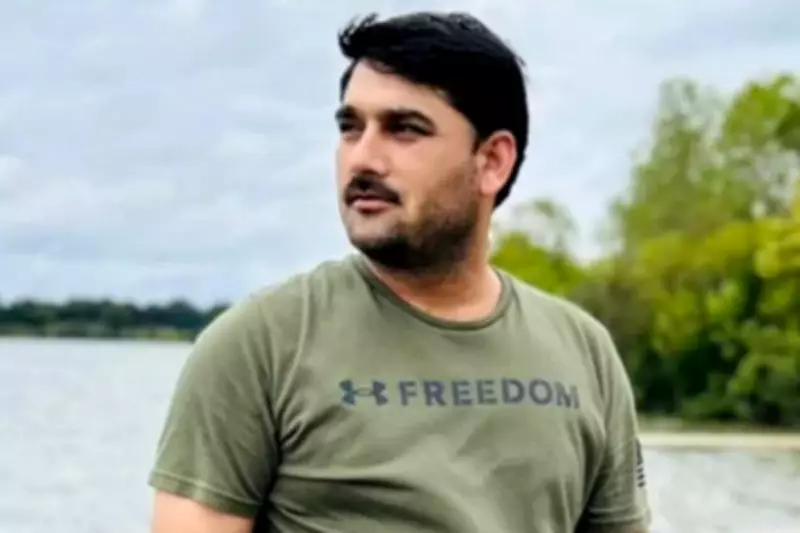
The family of an Afghan man who died while detained by US Immigration and Customs Enforcement has launched a fierce condemnation of the Donald Trump administration, accusing it of causing the death of what they describe as "a hero for the American people." Mohammad Nazeer Paktyawal, a 41-year-old former Afghan special forces soldier who collaborated extensively with American military units, was pronounced deceased at a Dallas hospital merely one day following his arrest by immigration agents in Texas.
Rapid Detention and Mysterious Death
Paktyawal was apprehended on a Friday morning outside his Richardson, Texas, home as he prepared to drive his children to school. By 9 a.m. the following Saturday, he was declared dead at Parkland Hospital in Dallas under circumstances that remain unclear to his grieving relatives. The family is now urgently seeking answers regarding the precise events that led to his demise during those critical 24 hours in custody.
ICE officials stated that Paktyawal was arrested on allegations of committing fraud against the Supplemental Nutrition Assistance Programme, commonly known as SNAP. The Dallas County District Attorney's Office noted he faced two third-degree felony charges for SNAP fraud involving $200 or more, plus one theft charge. Crucially, none of these cases had been adjudicated in court prior to his death.

A Life of Service and Struggle
Paktyawal served alongside the US Army's 3rd Special Forces Group for nearly a decade in Afghanistan's perilous Paktika province. Following the Taliban's resurgence in 2021, he entered the United States through the official Operation Allies Refuge evacuation process, resettling via Catholic charities. He had applied for asylum, completed his interview, obtained work authorisation and a Social Security number, and was father to six children, including one born as a US citizen.
"My brother was not an illegal criminal alien, whatever it is they are saying," asserted his brother, Naseer Paktyawal, during an emotional gathering outside a Dallas funeral home. "We were brothers in arms with Americans, served shoulder by shoulder alongside the US military and Nato forces. He was here legally and he was a hero, a war veteran."
Contradictory Narratives and Medical Concerns
The Department of Homeland Security issued a statement characterising Paktyawal as a "criminal illegal alien" whose parole had expired, claiming he provided no record of military service. This assertion stands in stark contrast to his family's account and the documentation of his extensive collaboration with US forces.
Following his arrest, Paktyawal reported shortness of breath and chest pain during a medical examination at an ICE field office. In a panicked phone call to his brother, he described being surrounded by agents, forced into a vehicle without explanation, and experiencing breathing difficulties along with bodily swelling and pain. Homeland Security spokesperson Lauren Bis confirmed he was transported to Parkland Hospital where his tongue was found to be swollen; he died despite CPR efforts.
The family alleges he was denied access to his SOS inhaler, suggesting possible medical neglect. His death marks at least the 24th fatality in ICE custody this fiscal year, putting it on track to become the deadliest period in over two decades.
Broader Implications and Community Response
Afghan Evac, an organisation supporting Afghan allies of Nato forces, labelled Paktyawal's death "highly unusual." President Shawn VanDiver criticised the government's response, stating, "They called a man who helped them in a war a criminal without a conviction while claiming there is 'no record' of service without checking interagency systems—this looks less like fact-finding and more like damage control."
The grieving family now prepares to transport Paktyawal's body back to Afghanistan for burial, a poignant journey underscoring their shattered trust. "No one is safe here, not even a US citizen," his brother lamented, capturing a profound sense of betrayal felt by those who risked everything for American partnership.