Texas Republican Senate Primary Sparks Fears of Democratic Opportunity
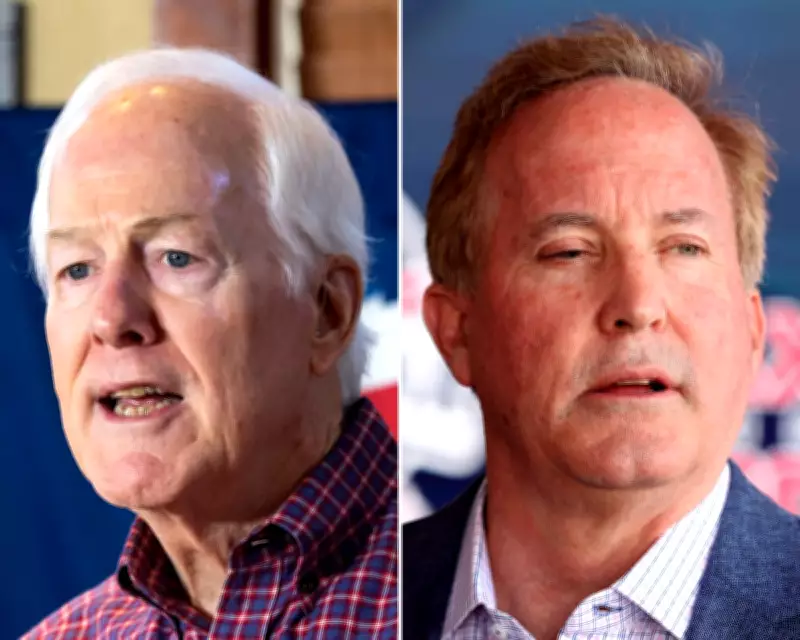
A fierce and deeply contentious Republican primary battle for a United States Senate seat in Texas has thrown the national party into a state of high anxiety. The contest pits four-term incumbent Senator John Cornyn against the state's scandal-plagued Attorney General, Ken Paxton, a favourite of the Trump-aligned Maga movement. As polls closed across the Lone Star State, Republican strategists openly expressed concern that a victory for Paxton could dangerously weaken the party's hold on a seat long considered safely Republican, potentially handing Democrats a rare opening in this solidly red state.
Millions Spent and a Potential Runoff Loom
National Republican groups, including the National Republican Senatorial Committee, have already mobilised tens of millions of dollars in defence of Senator Cornyn's candidacy. Political observers anticipate that donors will be pressed to contribute millions more if the primary race is forced into a ten-week runoff election, a scenario that seems increasingly likely. The primary also features right-wing Representative Wesley Hunt, further fracturing the vote and complicating the path to an outright majority for any single candidate.
Contrasting Candidates and Campaign Strategies
Senator John Cornyn has campaigned heavily on his lengthy record of supporting the presidential agenda and his perceived electability in a general election. He has warned voters that selecting his rival could jeopardise Republican chances of retaining the Senate seat in November. In contrast, Ken Paxton has leveraged his status as a conservative culture warrior, surviving numerous legal, political, and ethics scandals. Notably, Paxton was impeached by the Republican-controlled Texas House on charges including bribery, abuse of public trust, and obstruction of justice, though the Senate vote later fell short of the two-thirds majority required for conviction.

National Republican Anxieties and Strategic Implications
Washington-based Republicans have issued stark warnings about the broader implications of a Paxton nomination. They fear it would force the party to divert crucial financial and strategic resources away from other pivotal Senate contests nationwide to defend a Texas seat previously viewed as secure. Senate Majority Leader John Thune articulated this concern in a recent interview, stating, "Honestly, if you look at the polling in a general election setting, I don't think it's outside the realm of possibility that the seat flips, depending on who the Democrats nominate."
Despite fluctuating national approval ratings for former President Donald Trump and voter dissatisfaction with his handling of key issues like the economy and immigration, Texas Republicans have maintained fierce loyalty. Trump secured the state by nearly fourteen percentage points in the 2024 election, even improving his margins with increased support from Latino voters. Notably, Trump has refrained from endorsing a single candidate in this primary, offering praise to all three contenders during a recent Texas visit.
In a candid interview with CBS, Senator Cornyn acknowledged the challenging electoral dynamics, conceding it would be "a challenge" if "only the most radical people" participate in the Texas Republican primary. This internal party struggle underscores the deepening divisions within the GOP and highlights the high-stakes nature of primary elections in determining control of the closely divided United States Senate.