
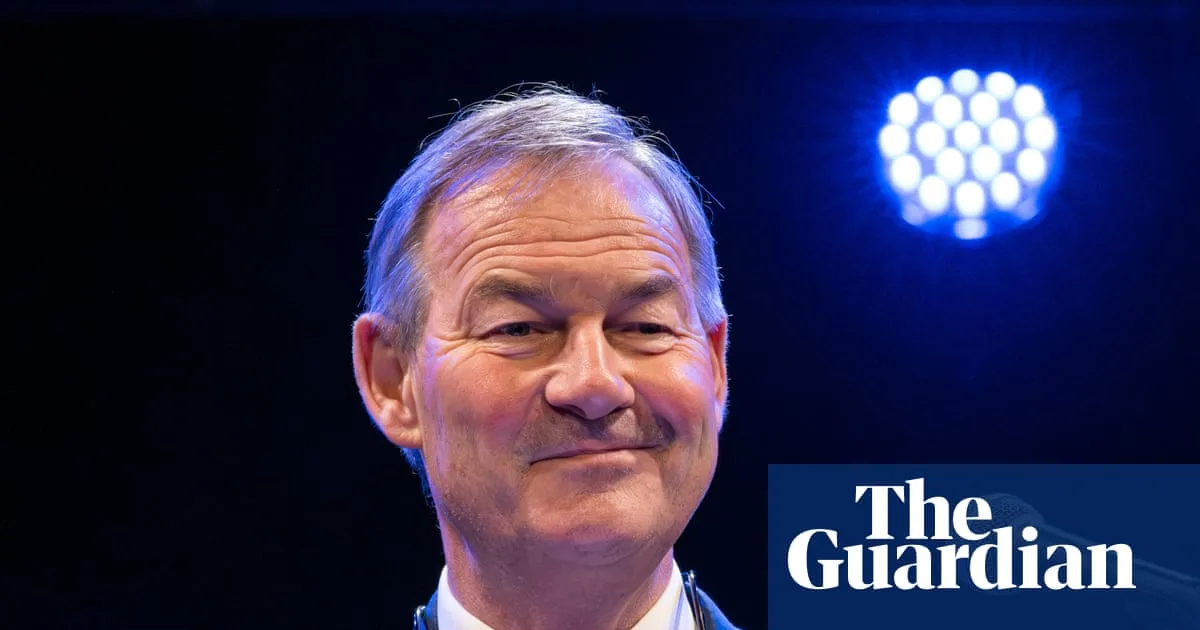
Former Reform UK MP Rupert Lowe has launched a new local party in Great Yarmouth, called Great Yarmouth First, with plans to expand it into a national movement named Restore Britain. Speaking at a cold event on Britannia Pier, Lowe pledged mass deportations, stating “millions will have to go,” to applause from hundreds of supporters.
Lowe, who fell out with Nigel Farage last year, has gained backing from Elon Musk, who retweeted Lowe on Saturday, saying “Join Rupert Lowe in Restore Britain, because he is the only one who will actually do it!” The new party has also attracted support from far-right figures, including Advance UK, led by former Reform deputy leader Ben Habib and backed by Tommy Robinson. Advance UK said it would consider a merger.
Political analysts warn that a unified hard-right force could split the anti-immigration vote, potentially costing Reform seats in a tight general election. One Tory strategist noted that 46 seats in 2024 were won by margins of less than 2%, making such a split significant.
Lowe’s event featured activists like Lucy White, a GB News contributor accused of racist tweets, and Steve Laws, an “ethnonationalist” influencer who tweeted “Rupert Lowe is our leader. GET IN LINE.” Businessman Duncan Bannatyne and actor John Cleese have also given approving signals.
Advance UK, meanwhile, has focused on street protests, with its flags prominent at a march in Crowborough against housing asylum seekers in a former military base. Habib said he has put £100,000 into the party, which has raised £600,000 from other sources. The party is standing Nick Buckley in the upcoming Gorton and Denton byelection.
Lowe’s Great Yarmouth First aims to win all nine borough seats in the postponed county council elections, serving as a pilot for Restore Britain, which will act as an umbrella for local parties. Lowe has also set up an “inquiry” into grooming gangs, which has attracted attention.




